More Vision & Eye Care Articles
Macula vs Fovea: Key Differences You Should Know
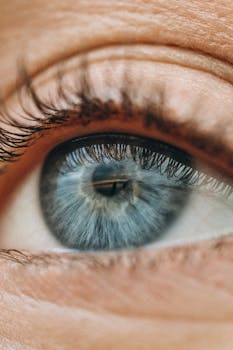
Have you ever wondered why your eyesight is so sharp in the center of your gaze? You may be experiencing the incredible work of the macula and the fovea, two essential parts of your retina responsible for detailed vision. Understanding the differences between the macula vs fovea can help you appreciate the complexity of your visual system and how they contribute to your daily activities, such as reading and recognizing faces.
Comparing Anatomy: Macula vs Fovea
The macula is a small, pigmented area located near the center of the retina. It is responsible for central vision and high-resolution detail. Within the macula, the fovea takes center stage. The fovea is a tiny pit that further specializes in providing the sharpest vision. Both macula and fovea are crucial for tasks that require precise vision, such as distinguishing intricate details and perceiving color variations.
While the macula supports broader central vision, it’s the fovea, with its cone-rich composition, that allows for acute detail by channeling light directly to the photoreceptor cells. This precise setup is why you can read small print or recognize a friend’s face across a room.
Foveal and Macular Health Concerns
Many eye health issues revolve around the macula and fovea. Conditions like macular degeneration can affect your central vision, making it hard to read or perceive fine details. While age-related macular degeneration is the most common issue, conditions like diabetic retinopathy can also impact this area by affecting blood vessels in the retina.
Problems specifically with the fovea are less common but can occur. Foveal hypoplasia, for instance, involves the underdevelopment of this area and can lead to challenges with perception. In other cases, injuries or retinal disorders might disturb the foveal area, affecting your ability to see clearly.
Considering Lifestyle Factors
Luckily, certain lifestyle choices may help support the health of your macula and fovea. Maintaining a diet rich in leafy greens and omega-3 fatty acids may benefit eye health. Additionally, managing overall health contributes to ocular wellness, as explored in our article on lifestyle choices and health impact.
Routine eye exams play a critical role in detecting early signs of damage to the macula or fovea. Therefore, it’s vital to partner with an optometrist or ophthalmologist for regular checks, especially as you age.
When to Seek Care
If you notice changes in your vision, such as blurriness, difficulty reading, or trouble recognizing faces, it might be time to consult a healthcare provider. An optometrist can initially assess your vision, but a visit to an ophthalmologist may be necessary for more detailed imaging and tests.
Particularly if you have risk factors for macular degeneration or other retinopathy issues, quick action can preserve your vision. Treatment for retinal issues may involve lifestyle adjustments, medications, or specific procedures aimed at improving visual function.
Considering Supplements and Medications
For some, using eye health supplements that may support retina health, such as those containing lutein and zeaxanthin, could be beneficial. However, individual results vary, and it’s important to talk to a healthcare provider before starting any new supplement regimen.
Similarly, if you’re prescribed medications or treatments for retinal issues, understanding their typical effects is crucial. Medications may have side effects or require adjustments based on personal response, so regular follow-ups with an eye care professional are necessary to monitor your vision health effectively.
Takeaways
- The macula and fovea are crucial for sharp, detailed vision.
- Maintaining eye health involves regular exams and a healthy lifestyle.
- Seek care promptly if you experience changes in central vision.
- Diet and supplements might support macula and fovea health.
- Consult a healthcare provider for any visual changes or concerns.
Common Questions
What is the key difference between the macula and the fovea?
The macula is a broad, pigmented area responsible for central vision, while the fovea is a small pit within the macula providing the sharpest detail.
How can I support the health of my macula and fovea?
Maintain a balanced diet rich in leafy greens and omega-3 fatty acids, attend regular eye exams, and manage other health conditions that could affect your eyes.
When should I see a doctor about vision changes?
If you experience noticeable changes in your vision, such as blurriness, difficulty with fine detail, or color perception issues, see an eye care provider promptly.
Who treats macular or foveal issues?
Optometrists can conduct initial assessments, but ophthalmologists are specialized medical doctors who can treat specific retina-related conditions.
Can lifestyle choices impact eye health?
Yes, lifestyle choices significantly impact your overall health, including eye health. For more information, see this informational page.
Understanding the intricate functions of the macula vs fovea and how they contribute to your vision is fascinating. By staying informed and proactive about your eye health, you can maintain a clearer, sharper view of the world around you.
Other Articles You May Find of Interest...
- Smart Glasses With Prescription Lenses: Fit, Comfort and Everyday Use
- Can Blepharoplasty Improve Peripheral Vision? What Patients Should Know
- What Causes Blood Clots in the Eye?
- Can You Have Laser Eye Surgery With Glaucoma?
- Why Are Contact Lens Users Asked to Stop Wearing Lenses before Laser Eye Surgery Tests?
- What Credentials to Look for When Searching for the Right Eye Doctor in New York
- New Flashes, Floaters, or a Shadow in Your Vision: When to Seek Prompt Eye Care