






More Reviews Articles
Understanding THCA Gummies in 2026: How They Work For Pain and Relaxation
Disclosure: This article may contain sponsored content or affiliate links provided by third parties. Publication does not constitute an endorsement by Your Health Magazine.
Disclosure: This article was submitted by a third-party contributor and is published by Your Health Magazine for informational purposes. Your Health Magazine has not independently verified product testing claims, user experiences, or manufacturer statements and is not affiliated with the brands mentioned.
THCA gummies have become a common sight in the hemp market in 2026, but the category is widely misunderstood. The term covers a range of products that differ significantly in their cannabinoid content, intended effects, and legal standing. Understanding what these products actually contain and what current research does and does not support is more useful than relying on marketing language.
This guide explains what THCA is, how it behaves in the body, the formulation types commonly sold, how to evaluate quality, general dosage and safety considerations, and the federal legal changes scheduled to take effect on November 12, 2026, that may reshape the market.
THCA Gummies: Product Comparison Table
The table below lists examples of THCA gummy products available on the market, presented as factual reference points rather than recommendations. Cannabinoid figures and prices are as labeled by each brand.
| Brand | THCA Content | Additional Cannabinoids | Lab Testing |
| Exhale Wellness | 10 mg | Delta-9 (3 mg), Nano THCP (2 mg) | Full-panel COA |
| Diamond CBD | 150 mg per jar | Delta-8 | Third-party verified |
| Happy Hemp | 25 mg | Delta-9 (10 mg) | ISO-certified lab |
| Binoid | 15 mg | Delta-9 (10 mg), THCP (5 mg) | Full-panel COA |
| Delta Extrax | 350 mg | Delta-9P, Delta-8, Live Resin | Third-party verified |
Exhale Wellness: Balanced THCA, Delta-9, & THCP Blend
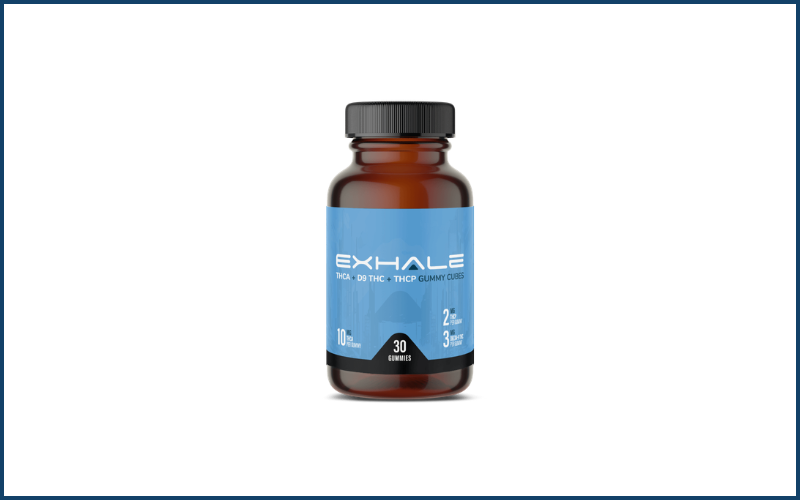
Exhale Wellness gummies use a multi-cannabinoid formula. Each gummy contains 10mg THCA, 3mg Delta-9 THC, and 2mg Nano THCP. The hemp is organic and grown in Colorado.
The gummies come in a Blue Raspberry flavor and use a pectin base, which makes them suitable for vegans. Each batch is third-party tested, with a full-panel certificate of analysis available.
Key Features:
- Organic, Colorado-grown hemp
- Pectin-based (vegan-friendly)
- Full-panel third-party COA
- cGMP manufacturing standards
Pros
- Cannabinoid amounts listed per gummy
- Pectin base suitable for vegans
- Full-panel lab testing
- Natural flavoring
Cons:
- Higher price than budget options
Diamond CBD: Lower-Potency THCA & Delta-8 Formula
Diamond CBD’s gummies contain 150 mg of THCA per jar and pair THCA with Delta-8 rather than Delta-9. The lower per-serving content makes this a lower-potency option among THCA edibles.
The products are third-party lab verified and sit at a budget-friendly price point. Labeling lists the cannabinoid content clearly.
Key Features:
- 150mg THCA per jar
- Paired with Delta-8
- Third-party lab verified
- Budget-friendly pricing
Pros:
- Lower per-serving potency
- Affordable price point
- Clear labeling
- Third-party tested
Cons:
- Lower cannabinoid content per gummy than high-potency options
Happy Hemp: High-Potency, Organic-Ingredient Formula
Happy Hemp’s gummies contain 25mg THCA and 10mg Delta-9 THC per gummy, placing them at the higher-potency end of the category. The brand uses small-batch production.
The base is organic cane sugar with natural fruit flavoring. Lab reports from ISO-certified testing show no detectable pesticide residues.
Key Features:
- 25mg THCA per gummy
- Organic ingredients
- ISO-certified lab testing
- Small-batch production
Pros:
- Higher cannabinoid content per gummy
- Organic cane sugar base
- ISO-certified lab testing
- Detailed COA available
Cons:
- Higher price point than budget options
Binoid: Multi-Cannabinoid Blend With THCP
Binoid’s gummies use a multi-cannabinoid formula with 15mg THCA, 10mg Delta-9 THC, and 5mg THCP per gummy. THCP is a cannabinoid that research suggests binds more strongly to CB1 receptors than Delta-9 THC.
The products are third-party tested for purity and come in several flavor options.
Key Features:
- Multi-cannabinoid blend with THCP
- High total cannabinoid content
- Third-party tested for purity
- Multiple flavor options
Pros:
- Three cannabinoids listed per gummy
- High total cannabinoid content
- Third-party tested
- Range of flavors
Cons:
High total cannabinoid content may not suit those new to THCA edibles
Delta Extrax: Live Resin & Rare Cannabinoid Formula
Delta Extrax’s “Adios Blend” gummies contain 350mg of total cannabinoids per piece, combining THCA, Delta-9P, and Delta-8. The formula uses live resin extraction, which retains naturally occurring terpenes.
The products are hemp-derived and compliant with the 2018 Farm Bill. Several rare cannabinoid options are available across the range.
Key Features:
- Live resin formulation
- 350mg total cannabinoids per gummy
- Multiple rare cannabinoid options
- Hemp-derived and Farm Bill compliant
Pros:
- High total cannabinoid content per piece
- Live resin extraction
- Range of cannabinoid options
- Hemp-derived and Farm Bill compliant
Cons:
- High potency may not suit those new to THCA edibles
What Are THCA Gummies?
THCA gummies are hemp-derived edibles that contain tetrahydrocannabinolic acid, the raw precursor to THC found naturally in cannabis plants. Many products sold under the “THCA gummy” label do not rely on THCA alone for their effects. Instead, manufacturers often blend THCA with other cannabinoids such as Delta-9 THC, Delta-8 THC, or THCP, which can produce psychoactive effects when consumed.
Understanding THCA
THCA stands for tetrahydrocannabinolic acid. It exists in raw cannabis plants before heat exposure. When cannabis is smoked, vaped, or baked, heat triggers a chemical reaction called decarboxylation. This process removes a carboxyl group from THCA molecules, converting a portion of them into Delta-9 THC, the compound most associated with the traditional cannabis high.
In its raw, unheated form, THCA does not bind efficiently to CB1 receptors in the brain, which is why it is generally described as non-psychoactive. A person could eat raw cannabis flower containing a high percentage of THCA and typically feel no intoxicating effect. However, most THCA gummies sold today are not purely THCA. Many include added Delta-9 THC, Delta-8 THC, or other activated cannabinoids that create the effects consumers tend to expect from edibles.
Are THCA Gummies Psychoactive?
Pure THCA, without added activated THC, is generally not considered psychoactive. The THCA largely remains in its acid form during digestion and is not efficiently converted to Delta-9 THC in the stomach. This is a point many product descriptions gloss over.
In practice, many products labeled as THCA gummies contain multi-cannabinoid blends. A formula might combine THCA with a few milligrams of Delta-9 THC and a small amount of THCP, for example. In such cases, the psychoactive effects a person feels generally come from the Delta-9 and THCP rather than the THCA itself. This is one reason that reviewing the full cannabinoid profile on a Certificate of Analysis (COA) is more informative than looking at the THCA percentage alone.
If a product advertises strong psychoactive effects but lists only THCA, it is worth asking whether some of the THCA was converted to THC during manufacturing (through heat or aging) or whether the labeling is incomplete.
How THCA Gummies Work in the Body?
When a gummy is consumed, it travels through the digestive system like any other edible. The cannabinoids are absorbed through the intestinal wall and processed by the liver before entering the bloodstream. This digestive pathway is generally why edibles can take 45 to 90 minutes to produce noticeable effects, compared with the faster onset associated with inhalation.
For gummies containing Delta-9 THC or Delta-8 THC alongside THCA, the liver converts some Delta-9 into 11-hydroxy-THC, a metabolite that is often described as crossing the blood-brain barrier efficiently. This can contribute to effects that some users report as stronger or longer-lasting than inhaled THC. Duration commonly ranges from roughly 4 to 8 hours, depending on dose, metabolism, and individual tolerance.
The THCA component in these blends may contribute to the overall experience through what researchers describe as the entourage effect, the hypothesis that multiple cannabinoids interact within the endocannabinoid system. Without heat activation, THCA itself is not expected to produce intoxication; in blended products, the activated THC is generally the main driver of psychoactive effects.
Evaluating THCA Gummy Quality and Value
Products in this category vary considerably in quality. Knowing what tends to separate carefully made products from lower-quality ones can help readers make more informed decisions and avoid unsafe items.
Signs of a Carefully Made Product
Higher-quality products often use hemp grown under regulated agricultural conditions, provide full-panel third-party COAs with current batch numbers, clearly disclose all cannabinoid content and ratios, and maintain recognized manufacturing standards such as cGMP. Transparent ingredient lists and pectin bases (rather than gelatin) are common in products marketed as vegan-friendly. Lower-quality products may cut corners on testing, use vague or outdated lab reports, or omit cannabinoid breakdowns.
Red Flags to Watch For
It is reasonable to be cautious with products that lack third-party lab testing or decline to share COAs, make specific medical claims about treating diseases, display batch numbers that do not match their COAs, rely only on in-house testing, or lack clear contact information and customer service. These signs do not guarantee a product is unsafe, but they make independent verification difficult.
Potential Effects and Areas of Research
Research on THCA is still emerging, and much of what is reported comes from preliminary studies or anecdotal accounts rather than large clinical trials. The points below describe areas of interest, not established medical benefits. Anyone considering cannabinoid products for a health reason should speak with a qualified healthcare provider.
Inflammation Research
Some early laboratory research has examined whether THCA may have anti-inflammatory properties. A 2020 study, for example, explored its activity in inflammation-related models. These findings are preliminary, and more clinical research in humans would be needed before drawing firm conclusions about real-world effects.
Relaxation and Stress
Some users report turning to THCA gummies, particularly blends that combine THCA with Delta-9 THC or CBD, for a sense of calm. Reported experiences vary widely from person to person, and such accounts are subjective rather than evidence of a guaranteed effect.
Nausea and Appetite
Limited preliminary research has looked at cannabinoids and nausea or appetite regulation. Effects on appetite are more commonly associated with activated THC than with THCA in its raw form, and individual responses differ.
Sleep
Products marketed for sleep often include additional cannabinoids such as CBN or higher amounts of Delta-9 THC. Any sedative effect generally comes from these activated compounds rather than from THCA alone, and sleep responses are highly individual.
It is important to remember that THCA products are not FDA-approved to treat, cure, or prevent any medical condition. Consult a healthcare professional before using cannabinoid products for any health purpose.
How to Compare THCA Gummies
Rather than relying on marketing claims, readers can apply a few consistent criteria when comparing products. The following considerations are commonly used to assess quality and suitability.
Customer Feedback
Reviews on independent platforms can offer useful signals, especially when they mention specific details such as onset time, duration, flavor accuracy, and consistency between gummies in the same container. Patterns of complaints about inaccurate dosing or quality control are worth noting.
Lab Testing and COA Verification
A meaningful COA generally comes from an ISO/IEC 17025-accredited lab and includes a full cannabinoid panel, pesticide screening, heavy metal testing, and microbial analysis. Confirming that the batch number on the packaging matches the COA is a simple verification step that many buyers skip, but it indicates whether a brand tests each batch rather than reusing older reports.
Potency and Cannabinoid Blends
Reviewing total cannabinoid content per gummy and per container is more informative than focusing on a single THCA percentage. Products that clearly disclose all cannabinoid ratios and explain their intended effects are easier to assess than those that emphasize a high THCA figure without context.
Transparency and Legal Compliance
Products that openly disclose hemp sourcing, extraction methods, and compliance with current federal hemp rules are generally easier to evaluate. Honest labeling about what a product actually contains tends to be a more reliable signal than broad wellness language.
THCA Gummy Dosage Considerations
Appropriate dosing depends on experience level, body weight, metabolism, and tolerance to cannabinoids. A common and cautious approach is to start low and increase gradually. The information below is general guidance, not a prescription.
Lower Dose (around 5–10 mg)
People new to THC edibles, or those with low tolerance, often begin with about 5 mg of total cannabinoids, which may mean cutting a gummy or choosing a low-dose product. Waiting at least 90 minutes before considering more is widely recommended, since taking a second dose too early can lead to stronger-than-expected effects when both take hold.
Moderate Dose
Those with some experience often find that roughly 10 to 25 mg of total cannabinoids produces noticeable effects without being overwhelming. Individual responses still vary considerably within this range.
Higher Dose
Experienced consumers with established tolerance may use more, though higher doses increase the likelihood of strong effects that can last many hours. Even for those with high tolerance, larger amounts can produce intense and prolonged psychoactive effects.
Onset Time and Duration
Most THCA gummies take roughly 45 to 90 minutes to produce noticeable effects. Metabolism, recent food intake, and body weight all influence onset. Nano-emulsified products are sometimes reported to act faster. Effects commonly last 4 to 8 hours, with peak intensity often occurring a couple of hours after consumption.
Are THCA Gummies Legal in 2026?
The legal status of THCA products is changing in 2026, and current and upcoming federal regulations are both relevant before purchasing. The summary below is general information, not legal advice; readers should verify current rules for their own situation.
Federal Hemp Law
The 2018 Farm Bill legalized hemp-derived products containing less than 0.3% Delta-9 THC by dry weight. This created a pathway under which many THCA products have been sold, because THCA in its raw form is not Delta-9 THC. Many products currently on the market are described as complying with this standard.
According to reporting on the FY2026 Appropriations Act, the federal definition of hemp is set to shift toward a total-THC calculation. Under that change, scheduled to take effect on November 12, 2026, hemp would need to contain no more than 0.3% total THC (including THCA) by dry weight, with reported limits on total THC per finished product container.
If implemented as described, this change could make many THCA gummies currently sold non-compliant federally. Legislative efforts to delay or amend the implementation date have been reported, but are not guaranteed. Because this area is evolving, consumers may want to confirm details with authoritative sources rather than relying on product marketing. For current federal hemp regulations, the Congressional Research Service publishes reports on hemp definitions.
State Restrictions
Even under federal law, individual states regulate hemp products independently. Some states have restricted or banned certain THCA products through state-level legislation, and several have moved toward total-THC testing. Because state rules change frequently, verifying the current law where you live is essential. A product that is federally compliant may still be restricted locally.
THCA Gummies vs. THC Gummies vs. Delta-8 Gummies
Understanding the differences between these categories can help clarify product labels. The comparison below describes general characteristics rather than endorsing any option.
| Feature | THCA Gummies | THC (Delta-9) Gummies | Delta-8 Gummies |
| Psychoactive (pure form) | Generally no | Yes | Yes |
| Typical market products | Multi-cannabinoid blends | Pure Delta-9 or blends | Delta-8 plus additives |
| Federal legal status | Evolving ahead of Nov 2026 | Legal if <0.3% by weight | Varies, often state-dependent |
| Effect intensity | Varies by blend | Often strong | Mild to moderate |
| Onset time | 45–90 minutes | 45–90 minutes | 45–90 minutes |
| Duration | 4–8 hours | 4–8 hours | 3–6 hours |
The key distinction is that pure THCA is generally non-psychoactive, while many products labeled as THCA gummies contain activated THC. Delta-9 gummies are associated with traditional cannabis effects, and Delta-8 gummies are often described as milder.
THCA Gummy Side Effects and Safety
Like other cannabinoid products, THCA gummies can produce side effects, particularly at higher doses or in sensitive individuals.
Common Mild Side Effects
Reported side effects are often temporary and tend to ease as the effects wear off. They can include dry mouth, dizziness or lightheadedness, increased appetite, drowsiness or fatigue, and mild gastrointestinal discomfort. Drinking water, eating a light snack, and resting in a comfortable environment are commonly suggested ways to manage these effects.
Who Should Be Cautious or Avoid Use
It is generally advised not to use THCA gummies if you are pregnant or breastfeeding, under 21, taking medications that may interact with cannabinoids (consult your doctor), or have a history of psychosis or severe anxiety disorders. Avoid operating heavy machinery or driving while affected.
Combining With Alcohol
Combining cannabinoid edibles with alcohol can amplify the effects of both and may increase the risk of dizziness, nausea, and impaired judgment. Because this combination can raise the likelihood of an unpleasant experience, many sources advise against mixing the two.
FAQs on THCA Gummies
Do THCA gummies get you high?
Pure THCA in raw form is generally not considered psychoactive, but most commercial THCA gummies contain Delta-9, Delta-8, or THCP, which can produce psychoactive effects. The COA shows what a product actually contains.
How long do THCA gummies take to work?
Roughly 45 to 90 minutes, though nano-emulsified formulations are sometimes reported to act faster. Onset depends on metabolism, body weight, and food intake. Effects commonly last 4 to 8 hours.
Can THCA gummies cause a failed drug test?
Potentially, yes. Tests detect THC metabolites, and most THCA gummies contain Delta-9 or Delta-8. THCA may also convert to THC in some circumstances. Anyone subject to screening may wish to avoid these products.
Can beginners use THCA gummies?
They can, by starting with low doses (around 5 mg or less of total cannabinoids), choosing lower-potency products such as Diamond CBD’s milder blend, and waiting at least 90 minutes before more.
What’s the difference between THCA and THC gummies?
THCA is the raw, generally non-psychoactive precursor; THC gummies contain activated Delta-9. Many products labeled THCA contain both. Pure THCA gummies without added THC are less common and are not expected to produce a high.
How should THCA gummies be stored?
In a cool, dry place away from sunlight, in their original airtight container and out of reach of children and pets. Properly stored, many gummies retain potency for several months.
Disclaimer: This article is for informational and educational purposes only and does not constitute medical or legal advice. Consult a qualified healthcare professional before using any cannabis or hemp product, especially if you take prescription medications, are pregnant, or have a medical condition, and verify the current laws in your jurisdiction.
Other Articles You May Find of Interest...
- ACROM NMN Complex Review: What a 30-Day Trial Can and Can’t Tell You
- Avantera Elevate Gummies Review: Same Formula as Elevate Capsules, New Sour Blue Raspberry Form
- Top 15 Healthcare Software Development Companies in the US for 2027
- Erodus vs Prime Male: Comparing Ingredients, Formats, and Claims for Men Over 40
- Why Women Are Rethinking Their Morning Routine to Beat Everyday Bloating
- The 6 Scents Every Home Should Have on Hand This Year
- Doctor Adam GLP-1 Weight Loss Program: What to Know




