






More Woundcare Articles
Is Iodosorb Gel the Key to Effective Wound Care?
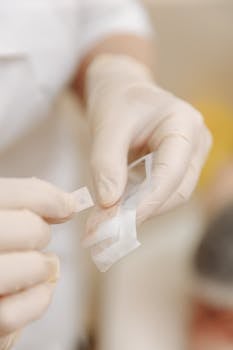
Imagine you’ve sustained an injury and are concerned about proper wound care to prevent infection and promote healing. One option that might come up in your research is iodosorb gel, a topical preparation frequently used for treating wounds. Known for its ability to cleanse the wound and absorb exudate, iodosorb gel plays a significant role in wound management. But how exactly does it work, and when should it be considered?
What Is Iodosorb Gel Used For?
Iodosorb gel is an iodine-based treatment often utilized for managing chronic wounds, such as ulcers and pressure sores. Its primary function is to debride the wound, which means it helps to remove dead tissue, allowing for better healing. Iodosorb gel absorbs exudate, reduces the bacterial load, and provides a moist environment conducive to wound healing.
For many individuals dealing with ongoing wound care issues, iodosorb gel can be an effective component of the treatment plan. The gel changes color to indicate when it should be reapplied, making it user-friendly for daily care routines.
Practical Expectations and Everyday Use
Applying iodosorb gel is straightforward, making it a convenient option for those managing wound care at home. It’s crucial to clean the wound thoroughly before applying the gel. Users often appreciate that the gel reduces odor and helps in keeping the wound clean. However, it must be applied with clean hands or gloves to maintain hygiene.
People with active lifestyles may find that using iodosorb gel facilitates quicker involvement in daily activities by managing wound exudate effectively. While results may vary, many find that it supports the body’s natural healing processes, reducing the nuisance of frequent dressings changes.
When to Seek Care
While iodosorb gel can be a beneficial aid in wound management, certain situations necessitate professional evaluation. Seek medical advice if the wound shows signs of infection, such as increased redness, warmth, swelling, or if there is a foul odor. A deeper understanding of wound healing can be gained by consulting with a healthcare provider. Wound care specialists or dermatologists are often suited to evaluate persistent or non-healing wounds.
Moreover, if the wound does not improve within a few days of using iodosorb gel, or if there’s any concern about its application, a healthcare professional should be consulted to reassess the treatment plan.
Questions to Consider When Starting or Stopping Use
Before starting iodosorb gel, it’s worth discussing with your healthcare provider whether it is appropriate for your specific wound type. They can offer guidance on whether it should be used in combination with other treatments or as a standalone solution.
If considering an alternative treatment, discuss with your doctor whether you need to stop using iodosorb gel beforehand. Some treatments may interact, and your clinician can help transition your wound care regimen safely.
Side effects such as minor irritation might occur, and any change in symptoms should be reported to your healthcare provider immediately. Learning if side effects will persist or lessen with continued use is also important for long-term care.
Takeaways
- Iodosorb gel assists in debriding wounds and absorbing exudate.
- Can be effective in managing chronic wounds such as ulcers and sores.
- Look for wound care specialist guidance if the wound fails to heal or shows signs of infection.
- Combines with a routine that ensures the wound is properly cleaned before application.
- Consult a healthcare professional before combining with other treatments.
Common Questions
When should I see a doctor about my wound?
If you notice signs of infection, such as increased pain, swelling, or pus, or if the wound doesn’t improve with home care, you should consult a healthcare provider.
Who typically treats wounds like mine?
Wound care specialists or dermatologists are experts in treating complex or chronic wounds. They’ll provide insights and advanced care options if needed.
Can I use iodosorb gel with other topical treatments?
Discuss with your doctor before combining different topical treatments to avoid interactions that may affect the healing process.
How should I apply iodosorb gel for the best results?
Ensure the wound is clean and dry before applying the gel. Apply it with clean hands or gloves, and follow the wound care routine as advised by your doctor.
Is there a risk of using the gel improperly?
While generally considered safe, improper use, such as not cleaning the wound adequately, may lead to less effective treatment or possible infection. Follow instructions or seek guidance for proper application.
Properly managing wounds with treatments such as iodosorb gel can significantly impact daily life, promoting healing and allowing people to return to their regular activities with greater ease. For more insights into maintaining health through lifestyle choices, explore how lifestyle choices impact our overall health. For additional information about wound care, visit MedlinePlus.
Other Articles You May Find of Interest...
- Why Some Wounds Won’t Heal and Where Hyperbaric Oxygen Therapy Fits In
- Why Home-Based Wound Care Can Improve Comfort and Quality of Life for Patients
- How Long Can Stitches Stay In After Surgery?
- BIASURGE® Advanced Surgical Solution: Uses and Key Considerations
- Antibiotic Ointment on New Piercings: Help or Harm?
- Other Names for Pus, and What Its Color Tells You
- Blue-Green Wound Drainage: A Sign to Act On





