More Woundcare Articles
Innovative Uses of Fish Skin Grafts in Modern Medicine
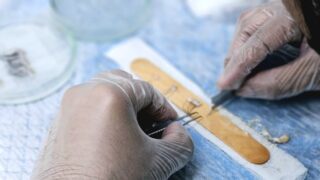
Imagine being able to heal significant wounds and burns not with traditional dressings, but with a surprising participant in the modern medical world: fish skin grafts. These innovative grafts, derived from the skin of fish, have been making waves for their potential in promoting healing, reducing pain, and even lowering the risk of infections. This pioneering approach is gaining traction in both clinical and surgical settings, sparking curiosity about how fish skins are transformed into effective medical solutions.
How Fish Skin Grafts Transform Healing
At the heart of the treatment lies the use of fish skins, commonly sourced from species like the Atlantic cod. Fish skin is rich in omega-3 fatty acids, which are known to have anti-inflammatory properties. When processed and sterilized for medical use, they create a scaffold that supports and accelerates the body’s natural healing process.
The grafts work by providing a moist environment—ideal for wound healing—that also supports new tissue growth. Moreover, the structural similarities between fish skin and human skin make it an excellent temporary replacement that integrates well with human tissues.
Applications of Fish Skin Grafts in Medicine
Fish skin grafts are currently being used in a variety of medical applications:
- Burn treatment: Fish skin grafts help soothe burns and promote healing, particularly in cases of superficial partial-thickness burns.
- Chronic wound management: They are useful for treating chronic wounds, like diabetic ulcers, where traditional methods may fail.
- Skin replacement in surgery: In reconstructive surgeries, fish skin grafts act as a temporary cover, protecting the area from infection while the body heals.
When to Seek Care
While fish skin grafts can aid in wound recovery, not all injuries are suitable for self-treatment. It’s crucial to consult a healthcare provider if you experience deep burns, persistent ulcers, or wounds that show signs of infection, such as increased redness, swelling, or discharge. A dermatologist or a wound care specialist can evaluate your condition and determine the most appropriate intervention. Early professional evaluation can prevent complications and improve healing outcomes.
Real-Life Considerations and Practical Guidance
Fish skin grafts introduce a fascinating treatment option, but for many, the concept might be met with skepticism or curiosity. If you’re considering this option, discussions with your healthcare provider are essential. They can help determine if this approach aligns with your specific medical needs.
What makes fish skin grafts even more attractive is their potential to lower healthcare costs. The ease of application and its natural composition may shorten hospital stays and reduce the need for frequent dressing changes.
Addressing Misconceptions and Practical Concerns
Some individuals worry about allergies or rejection when considering fish skin grafts. However, the processing of these grafts involves thorough cleaning, freeze-drying, and sterilizing, which removes potential allergens and pathogens. The result is a biocompatible product that is generally well-tolerated by patients.
It’s also essential to understand that while fish skin grafts offer numerous benefits, they are typically part of an integrated treatment plan. Discussing nutritional considerations and lifestyle modifications with your healthcare provider can further support recovery.
Explore More: Nutritional Benefits
Enhancing your diet can be an excellent way to support wound healing. For insights on how a high-protein diet contributes to recovery, read our article on the importance of a high-protein diet.
Takeaways
- Fish skin grafts offer new possibilities in wound healing and burn treatment.
- They are naturally anti-inflammatory and support tissue regeneration.
- Fish skin grafts are used in diverse medical scenarios, from burns to surgical recovery.
- Consulting a healthcare provider ensures proper treatment and care.
- Nutritional support can complement medical treatments effectively.
Common Questions
What kind of wounds can benefit from fish skin grafts?
Fish skin grafts are beneficial for treating burns, chronic wounds like diabetic ulcers, and as temporary coverings in surgical procedures.
Are there any known allergies associated with fish skin grafts?
Due to the processing methods that remove potential allergens, fish skin grafts are generally safe and well-tolerated by most patients.
What medical conditions can affect the use of fish skin grafts?
Patients with deep wounds, significant infections, or extensive burns should seek conditional approval from a healthcare provider to ensure fish skin grafts are suitable.
Can fish skin grafts reduce wound care costs?
Yes, by potentially shortening hospital stays and reducing the need for frequent changes, fish skin grafts may lower overall healthcare costs.
With continued research and application, fish skin grafts may play an increasing role in modern medical treatments. For more details on general health topics, explore resources like Health on Wikipedia.
Ultimately, the exciting innovation of fish skin grafts illustrates how nature and technology can converge to enhance patient care. By understanding their applications, benefits, and seeking appropriate professional guidance, you can make informed choices about integrating this treatment into your healthcare plan.
Other Articles You May Find of Interest...
- Why Some Wounds Won’t Heal and Where Hyperbaric Oxygen Therapy Fits In
- Why Home-Based Wound Care Can Improve Comfort and Quality of Life for Patients
- How Long Can Stitches Stay In After Surgery?
- BIASURGE® Advanced Surgical Solution: Uses and Key Considerations
- Antibiotic Ointment on New Piercings: Help or Harm?
- Other Names for Pus, and What Its Color Tells You
- Blue-Green Wound Drainage: A Sign to Act On