More Woundcare Articles
Navigating the Process of Healing by Secondary Intention
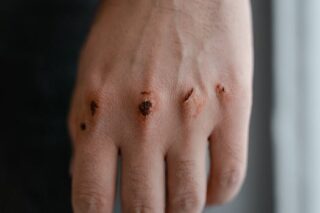
After more than a month of battling a surgical incision that isn’t healing as expected, you might hear about healing by secondary intention. This approach is quite different from primary intention, where edges are brought together with sutures or staples. Instead, secondary intention healing allows wounds to close from the bottom up, naturally filling in with new tissue over time. This method is often used for certain types of surgical or traumatic wounds where closure by primary means isn’t possible or advisable.
Understanding Healing by Secondary Intention
Healing by secondary intention refers to a specific process where the wound heals naturally without surgical intervention to close it tightly. This approach is particularly useful for larger wounds, areas with significant tissue loss, or those at high risk of infection. Instead of closing with stitches, these wounds are kept clean and dressed regularly to promote a natural healing process.
The pace and effectiveness of this healing method often depend on a person’s overall health, the location and size of the wound, and adherence to wound care protocols. Maintaining a clean environment and preventing infection plays a crucial role in this process. For some, it can be a lengthy journey requiring patience and consistent care.
The Benefits of Secondary Intention Healing
One of the primary benefits of healing by secondary intention is the reduction in complications related to stitches bursting open or becoming infected. The open nature of the wound allows for better drainage of fluids and debris, reducing the risk of pus formation and infection. Moreover, this method can lead to less tension on the wound site, which is particularly beneficial in areas of the body that are subject to frequent movement.
For some patients, secondary intention healing may offer cosmetic advantages as it allows the body to gradually and naturally close the wound, sometimes resulting in less scarring than the tight closure of primary intention.
Day-to-Day Wound Management
Caring for a wound healing by secondary intention requires vigilance and proper technique to ensure optimal healing. Regular cleaning and dressing changes are paramount. The application of topical treatments or dressings that keep the wound moist can aid in the reparative process. It’s important to monitor for signs of infection, such as increased redness, warmth, or pus, and report any concerns to a healthcare provider promptly.
Engaging in activities that might put stress on the wound or expose it to contaminants should be limited to help facilitate optimal healing conditions. Also, integrating a holistic approach to wellness might be beneficial. For more insights, see our article on Holistic Wellness.
When to Seek Care
While some small or minor wounds might heal without intervention, larger wounds or those with certain risk factors require professional evaluation. If you notice symptoms of infection, increased pain, or if the wound does not show signs of healing after a few days, reach out to a healthcare professional. Wounds that are deep, have irregular edges, or involve sensitive structures such as joints should also be assessed.
A general practitioner or a wound care specialist can provide guidance and treatment options. These professionals can help determine the best course of action, whether it involves ongoing home care, advanced wound care techniques, or other interventions.
Practical Considerations for Secondary Intention Healing
Questions often arise regarding the management of wounds healing by secondary intention. For example, altering or stopping medications should only be done under the guidance of a healthcare provider, as some medications can impact the healing process. Concerns about side effects or changes in wound appearance should be promptly discussed with a clinician.
Your doctor may suggest nutritional adjustments, supplements, or therapies that support wound healing, such as protein intake or specific vitamins. However, these are supportive measures and not solutions on their own. For detailed guidance, consult a healthcare provider who can tailor recommendations to your circumstances.
Takeaways
- Healing by secondary intention lets wounds close naturally from the bottom up.
- This method is suitable for wounds that can’t be closed by stitches.
- Proper wound care is crucial to preventing infection.
- Seek medical attention for large, deep, or non-healing wounds.
- Wound care specialists can tailor a treatment plan for effective healing.
Common Questions
What are common signs of infection in a wound?
Common signs of infection include increased redness, warmth around the wound, pus or unusual discharge, and escalating pain. If you notice any of these symptoms, it’s important to contact a healthcare provider for further evaluation.
How does a wound care specialist assist in healing by secondary intention?
A wound care specialist provides expertise in cleaning, dressing, and supporting the wound as it heals. They can assess the wound for complications and recommend appropriate interventions or adjustments to care plans.
Should nutritional supplements be a part of my wound care routine?
While nutritional supplements can support the body’s healing processes, they are not a cure and should be discussed with a healthcare provider. A balanced diet rich in proteins, vitamins, and minerals is crucial for optimal healing.
When should I start worrying about a wound that’s not healing?
If the wound has not shown significant healing within a week or two, or if symptoms of infection appear, consult a healthcare provider. Early intervention can prevent complications and support healing.
Where can I learn more about wound care and overall health?
For more information on wound care and health, consider reliable sources like the MedlinePlus website, which offers comprehensive health information.
Other Articles You May Find of Interest...
- Why Some Wounds Won’t Heal and Where Hyperbaric Oxygen Therapy Fits In
- Why Home-Based Wound Care Can Improve Comfort and Quality of Life for Patients
- How Long Can Stitches Stay In After Surgery?
- BIASURGE® Advanced Surgical Solution: Uses and Key Considerations
- Antibiotic Ointment on New Piercings: Help or Harm?
- Other Names for Pus, and What Its Color Tells You
- Blue-Green Wound Drainage: A Sign to Act On