






More Chiropractic Care Articles
The Importance of the Radial Styloid in Wrist Anatomy
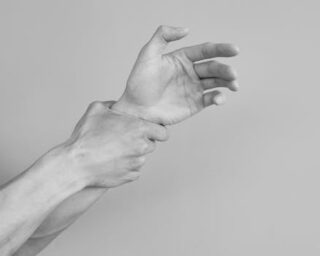
Imagine you’re gearing up to hit the tennis courts or tackle your favorite adventure, only to be stopped by a sharp pain in your wrist. This uncomfortable scenario might just involve the radial styloid, a small yet significant part of your wrist anatomy. This bony prominence located on the thumb side of the wrist plays a crucial role in stabilizing and supporting wrist movements. It might be out of sight, but it’s certainly not out of mind when it comes to wrist health.
The Function and Importance of the Radial Styloid
The radial styloid is a bony protrusion on the distal end of the radius bone in your forearm. Its position and structure allow it to act as an anchor point for ligaments that stabilize the wrist joint. This small yet significant structure supports various motions such as lifting, gripping, and rotating the wrist. Without it, actions that require fine motor skills, like opening a jar or typing, could become challenging.
Injuries or issues with the radial styloid can arise from repetitive motions, acute trauma, or degenerative conditions. Understanding its role can help in recognizing any pain or limitations in wrist movement.
Common Conditions Affecting the Radial Styloid
The radial styloid is susceptible to several conditions. De Quervain’s tenosynovitis, for instance, is a common issue where the tendons around the base of your thumb become irritated and inflamed. This inflammation can cause pain on the thumb side of the wrist, especially when forming a fist, grasping objects, or turning the wrist. Additionally, fractures of the styloid process can occur due to falls or sports-related injuries, leading to discomfort and a restricted range of motion.
These conditions not only affect the comfort and function of your wrist but can also interfere with everyday activities that require a wide range of motion.
When to Seek Care
If you experience persistent wrist pain, swelling, and an inability to perform wrist movements comfortably, it’s time to consult a healthcare provider. Orthopedic specialists or physical therapists are often the go-to professionals for evaluating wrist conditions and providing appropriate interventions. They can offer insights into whether your symptoms are due to the radial styloid or another part of the wrist anatomy.
Seeking timely care can prevent further complications and lead to more successful treatment outcomes. Self-managing with rest, ice, and over-the-counter pain relievers might not suffice if the pain persists or worsens.
Everyday Impact and Management of Radial Styloid Issues
Problems with the radial styloid can have a notable impact on daily life. From difficulty in tasks requiring fine motor skills to hindrances in participating in certain sports, these issues can be frustrating. People might find that their grip strength diminishes or experience pain lifting items.
Adapting activities to minimize strain on the wrist can help manage discomfort. In some cases, using supportive braces, engaging in physical therapy, or modifying techniques used in sports or work can alleviate symptoms. It’s important to approach wrist care holistically, considering both physical activity and rest.
Medication Management Considerations
For those needing medication management for wrist pain, anti-inflammatory drugs are typically used to reduce swelling and alleviate discomfort. It’s essential to consult with a healthcare provider before starting any medication regimen, especially if you are on other medications that could interact. Remember, some medications can temporarily relieve pain but may not address the underlying issue of the radial styloid.
Inquiring about potential side effects, the duration of use, and whether adjustments will be needed as symptoms improve or change is prudent. A healthcare provider can guide you through this process, ensuring safe and effective treatment.
Supporting Your Wrist through Lifestyle Changes
Beyond medical treatment, lifestyle and dietary changes may support wrist health. Consuming a balanced diet with adequate protein and nutrients can strengthen ligaments and muscle tissues involved in wrist function. To learn more about nutritional strategies, consider checking out this article on the importance of a high-protein diet.
Regular exercises, such as wrist stretches and strength training, can enhance flexibility and resilience, helping to prevent future issues with the radial styloid.
Takeaways
- The radial styloid plays a vital role in wrist stability and movement.
- Common issues include De Quervain’s tenosynovitis and styloid fractures.
- Persistent pain and swelling should be evaluated by a healthcare provider.
- Integrating dietary and lifestyle changes can support wrist health.
- Consulting with a healthcare professional for medication management is key.
Common Questions
What is the role of the radial styloid?
The radial styloid serves as a critical anchor point for ligaments stabilizing the wrist, enabling smooth and varied motion essential for daily activities.
When should you see a doctor for wrist pain?
Consult a doctor if pain persists beyond a few days, if there’s significant swelling, or if wrist motion becomes severely restricted.
What types of providers treat wrist conditions?
Orthopedic specialists and physical therapists are commonly involved in diagnosing and treating wrist-related issues, including those affecting the radial styloid.
How can I prevent radial styloid problems?
Engagement in regular wrist exercises, proper ergonomic practices, and nutrition can help prevent wrist issues.
Where can I find reliable information about wrist health?
For more detailed and credible information, visit reputable sources such as MedlinePlus.
Other Articles You May Find of Interest...
- Can a Chiropractor Help With Sciatica?
- Beyond the Adjustment: What a Comprehensive Approach to Chiropractic Care Looks Like
- How Long Does a Chiropractic Adjustment Last?
- Are Your Headaches Becoming Too Common? When It’s Time to Get Them Checked
- What Should You Know About Chiropractic Care Before Starting Treatment
- Spinal Decompression Therapy in Oklahoma: What to Know
- Who Can Get Spinal Decompression Therapy in Oklahoma?





