More Physical Therapy Articles
The Growing Importance of Physiotherapy in Modern Lifestyles
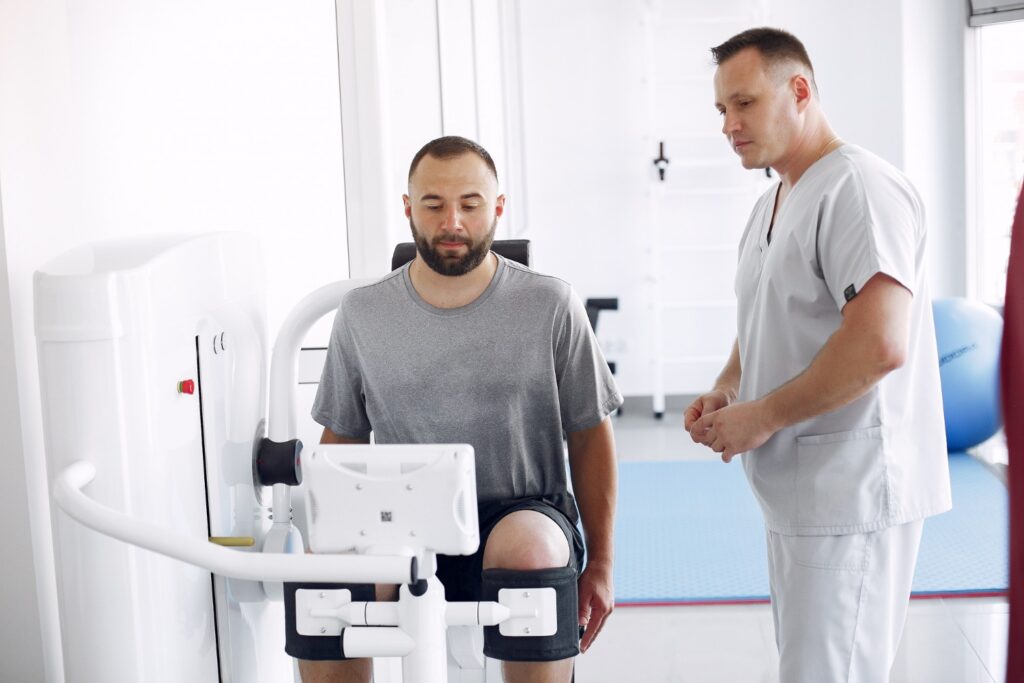
Out here, life moves quick. Sitting too much, stuck behind screens, barely moving – it wears down the body. Aches in the spine, stiff shoulders, hurt knees from old workouts – common stuff nowadays. People want relief without surgery or drugs. They start looking for methods that ease movement again. Physio helps there. It steps in quiet but strong.
Movement improves when pain fades – physio helps that happen. Though often linked to injury recovery, its role extends beyond what most assume. Body mechanics guide each session, shaping how people move day after day. Because function matters more than quick fixes, progress builds slowly but holds longer. One step at a time, control shifts back into the person’s hands. Prevention becomes part of routine life, not just reaction after harm occurs.
Understanding Physiotherapy and Its Core Principles
Movement science forms the foundation of physiotherapy. Assessing how the body moves comes first, then spotting where things go wrong. From there, customized strategies help bring back normal function. Hands-on techniques often play a role, along with specific exercises shaped to individual needs. Posture adjustments show up too, sometimes paired with changes in daily habits.
What stands out in physiotherapy? It’s how each plan fits one person only. Bodies differ, so methods shift – built around what someone aims to reach, their limits, how they move. Progress becomes real when it’s shaped just right.
Physiotherapy spends time teaching people. Treatment happens alongside learning ways to sit and stand correctly, adjust workspaces, and move well throughout the day. Staying ahead like this means fewer repeat injuries down the road.
Common Conditions Treated with Physiotherapy
Physiotherapy addresses a wide range of physical conditions, making it a versatile and essential healthcare service. Some of the most common issues include:
- Back and neck pain: Often caused by poor posture or prolonged sitting
- Sports injuries: Such as ligament sprains, muscle strains, and joint injuries
- Arthritis and joint stiffness: Particularly in aging populations
- Post-surgical rehabilitation: Helping patients regain strength and mobility
- Work-related injuries: Including repetitive strain injuries
Beyond these, physiotherapy is also beneficial for neurological conditions, chronic pain syndromes, and even respiratory issues. Its adaptability makes it suitable for individuals of all ages and lifestyles.
The Role of Preventive Care
Most folks seek physio only when hurt or sore. Yet stopping issues before they start matters just as much. A trained eye spots trouble – tightness, uneven strength – weeks ahead of a breakdown. Movement patterns reveal risks most ignore. Small fixes now prevent bigger setbacks later.
Take people doing the same moves over and over, say in a sport or daily job – they often ease tension by focusing on certain muscles before problems start. Sitting all day? Some find relief through small movements and ways of holding their body that undo stiffness built up from long hours still.
Staying steady on your feet often begins long before it seems necessary. Moving well through daily life ties closely tied to how freely you can bend and reach. Strength builds quietly when routines include reaching, standing tall, or shifting weight side to side. Older years demand more from muscles just to keep doing what once felt effortless. Falls happen less often when coordination improves over time. Independence lasts longer if small efforts add up without drawing attention.
Physiotherapy and Mental Well-Being
Body wellness ties tightly to how we feel inside. When ache lingers or movement slows, spirits dip alongside daily function. Treatment nudges motion forward, sparking natural lift in mood while easing tension along the way. Movement, guided and steady, becomes quiet support through tough phases.
Starting small, each session builds momentum, showing clear steps forward. When movement returns, piece by piece, self-assurance grows alongside it. Outcomes shift quietly – mood lifts as capability does. Progress feeds belief, slowly shaping how days feel.
Choosing the Right Approach to Treatment
With increasing awareness of physiotherapy, many people are now exploring different treatment options available to them. From traditional manual therapy to advanced techniques like dry needling and electrotherapy, the field continues to evolve.
When seeking care, it is important to focus on qualified professionals who adopt a patient-centered approach. Many individuals look for experienced physiotherapists in Hunter’s Hill Sydney or similar locations, not just for treatment but for guidance on long-term health management. The emphasis should always be on evidence-based practices, clear communication, and individualized care.
The Integration of Technology in Physiotherapy
Out here, physical therapy isn’t what it used to be – tech plays a big role now. Motion-tracking apps show how bodies move, step by step. Devices you wear on your skin feed real-time data back to therapists. Instead of only clinic visits, people train through digital rehab setups at home. Each tool helps shape recovery in ways that feel more personal.
Tracking improvement gets easier when therapists tweak care plans on the fly, thanks to new tools. Recovery speeds up because people stick with rehab that responds to their daily needs.
Now, more people choose online health visits, so they can talk to experts without leaving home. Because of this chance, anyone swamped with work or stuck in one place finds help more easily.
Building a Sustainable Health Routine
What stands out about physiotherapy? It builds lasting health instead of quick fixes. Guiding people toward daily routines, it helps maintain steady progress over time.
Every day movement matters most when it sticks around. Good stance while sitting or walking shapes how well you feel later. Paying attention to how your body moves can quietly change everything. Learning better ways happens through guided support from physiotherapy. Simple habits grow stronger with clear direction behind them.
Body signals matter most when small aches start whispering. Catching them early stops bigger problems from taking root down the line. A little attention now often means less hassle healing later.
Conclusion
Most people now see physio as key in health care, helping ease pain, heal injuries, while improving body function. Because it focuses on the whole person, tailored to their needs, healing goes beyond symptoms – strength grows, future issues may never start.
These days, staying physically healthy matters more than ever. When people turn to physiotherapy – not just for recovery but also to avoid future issues – they often move better, feel better day to day, and build a sturdier base for lasting health.
Other Articles You May Find of Interest...
- Shockwave Therapy
- Sports Rehabilitation: Recovering From Athletic Injuries and Getting Back in the Game
- Pelvic Floor Physiotherapy: Signs You May Benefit From Treatment
- The Muscles and Nerves Behind Scapular Winging
- Wrist Flexion Stretches for Desk-Stiff Hands
- Do You Need a Referral for Physical Therapy in New York?
- That Pop When Scar Tissue Breaks: Good Sign or Bad?