More Pain Management & Rehabilitation Articles
Is Ligamentum Flavum Thickening Affecting Your Spine Health?
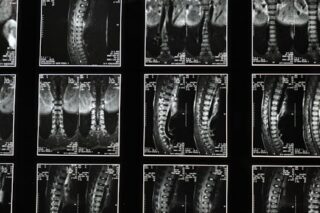
Imagine you’re going about your day, but suddenly, back stiffness and pain make even the simplest tasks challenging. You might wonder if this discomfort is due to ligamentum flavum thickening. This condition involves the ligamentum flavum, a robust band of tissues in your spine, becoming thicker than usual. This thickening can contribute to back pain and associated issues, particularly for those dealing with other spinal conditions.
Understanding Ligamentum Flavum Thickening
Ligamentum flavum thickening can put pressure on the spinal nerves, leading to discomfort and mobility issues. Commonly seen in adults, it can exacerbate back pain, particularly if you’re already experiencing conditions like spinal stenosis, where the spaces in your spine narrow. Over time, this thickened ligament can reduce your range of motion and impact your daily activities, from getting up in the morning to engaging in your favorite hobbies.
This condition is similar to flaval ligament hypertrophy, where the same tissues enlarge, adding pressure to the spine. The symptoms often manifest as pain, tingling, or numbness, particularly in the lower back or legs, often making it difficult to stay active and enjoy life fully.
Factors Contributing to Ligament Thickening
A combination of factors can lead to ligamentum flavum thickering. Age is a primary factor, as wear and tear over the years can cause these ligaments to thicken. Lifestyle factors, such as a sedentary lifestyle or poor posture, may also contribute by exacerbating spinal stress.
For more insights into how lifestyle choices can affect your overall health, consider exploring this article on the impact of lifestyle on health at lifestyle and health.
When to Seek Care
It’s essential to consult a healthcare provider if you’re experiencing persistent back pain, numbness, or difficulty moving, as these could be signs of ligamentum flavum thickening. A spine specialist, such as an orthopedic surgeon or neurologist, can offer a comprehensive evaluation and recommend appropriate treatments. Early evaluation can prevent further complications and help maintain your quality of life.
Treatment Options
Treatment varies based on severity. Non-surgical options include physical therapy to improve flexibility and strength, and medication to manage pain and inflammation. In some cases, corticosteroid injections can help reduce swelling and alleviate symptoms.
For severe cases, surgical intervention may be necessary to remove the thickened ligament and relieve pressure on the spinal nerves. However, surgery is typically considered only when conservative treatments fail to provide relief.
The Role of Lifestyle in Managing Symptoms
Adopting healthy habits can support spinal health and potentially slow the progression of ligament thickening. Regular exercise, particularly activities that enhance core strength and flexibility such as yoga or Pilates, can be beneficial. Also, balancing work and rest, maintaining a healthy weight, and practicing good posture can make a significant difference.
Practical Questions about Ligamentum Flavum Thickening
When navigating treatment options, questions often arise about medication, lifestyle adjustments, and what to expect. It’s important to understand how lifestyle choices can influence your condition and recovery process.
Staying informed about your condition, including potential changes in symptoms and treatment side effects, plays a crucial role in managing ligamentum flavum thickening effectively. Explore resources like the CDC for more information on managing spine health.
- Ligamentum flavum thickening can cause back pain and mobility issues.
- Factors include age, lifestyle, and spinal conditions.
- Treatment ranges from physical therapy to surgery, based on severity.
- Lifestyle changes, including exercise and posture, can help manage symptoms.
Common Questions
What are the typical symptoms of ligamentum flavum thickening?
Common symptoms include back pain, stiffness, and nerve-related issues such as tingling or numbness. These symptoms might worsen with specific activities or prolonged sitting and standing.
Which healthcare professional should I consult for diagnosis?
It’s best to consult a spine specialist such as an orthopedic surgeon, neurologist, or a physical therapist. They can provide a proper diagnosis and suggest a suitable treatment plan.
How can lifestyle changes impact my condition?
Engaging in regular physical activity, maintaining a healthy weight, and ensuring good posture can significantly impact the progression and management of ligamentum flavum thickening.
Are there preventive measures for flaval ligament hypertrophy?
While you can’t completely prevent flaval ligament hypertrophy, keeping active, managing weight, and practicing ergonomically sound movements can reduce risk and slow progression.
Is surgery always necessary for treating ligamentum flavum thickening?
No, surgery is only considered when other treatments like physical therapy and medications do not relieve symptoms. Non-surgical methods often successfully manage mild to moderate cases.
For more information on how to improve your health, visit CDC’s official site.
Other Articles You May Find of Interest...
- What to Do If You Think You Have a Broken Tailbone
- Closed Reduction With External Fixation: How It Stabilizes a Fracture
- Knee Massager for Muscle Tension Around the Knee What You Need to Know
- What Life Really Looks Like a Year After Spine Surgery
- Gout or Bursitis? Why Joint Swelling Can Look the Same
- Broken Kneecap Recovery: How Long Healing Usually Takes
- The Thumb Grind Test: What Pain During It Can Mean