






More Weight Control, Nutrition & Exercise Articles
7 Breakfast Ideas for the Plate Method Diet
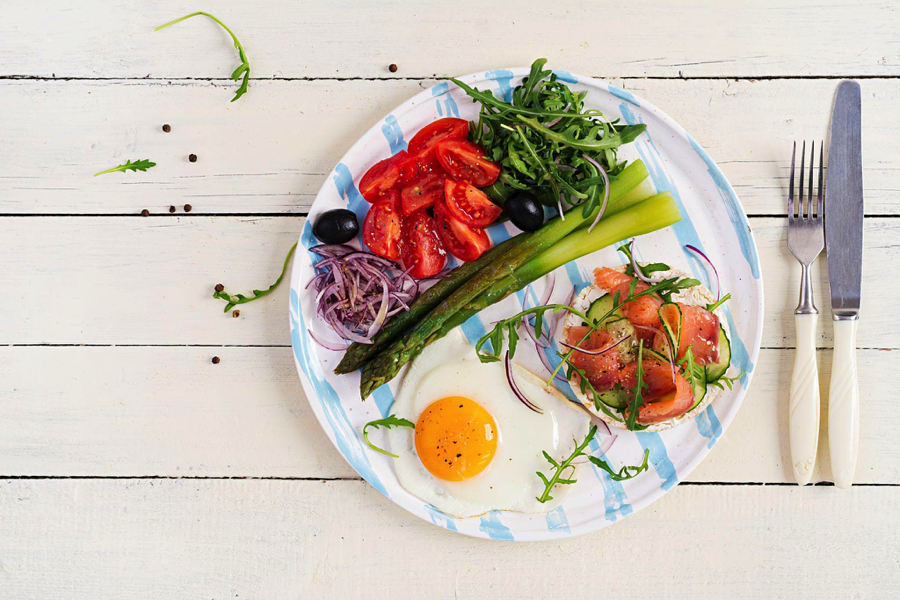
Counting calories every morning can quickly ruin your appetite, but you can skip the food scale entirely by using a simple visual tool to build your morning meals. The Plate Method divides your meals into specific quadrants to ensure you get the perfect balance of proteins, fiber-rich carbohydrates, and healthy fats without overthinking portion sizes. If you want to kickstart your metabolism, stabilize your blood sugar, and stay full until lunch, mastering this approach for your first meal of the day is a game-changer. Here are seven balanced, delicious breakfast ideas to help you implement this strategy effortlessly.
What is the Plate Method?
Sarah Lynn Nutrition explains the Plate Method well by describing it as a visual tool that simplifies portion sizes by dividing your standard-sized dinner plate into four sections. Rather than weighing ingredients, you fill half your plate with non-starchy vegetables, one quarter with lean protein, and the remaining quarter with fiber-rich carbohydrates. You also add a touch of healthy fats and a serving of dairy or calcium-rich alternatives. This structure guarantees a nutrient-dense meal that supports healthy weight loss and stable energy levels.
The beauty of this framework lies in its flexibility. You do not need to cook elaborate meals or source strange ingredients. You simply look at your dish and adjust the ratios of the foods you already enjoy eating.
Why Breakfast Can Be Tricky
Many people struggle with breakfast because traditional morning foods are often high in refined carbohydrates and sugar. Pancakes, cereals, and pastries cause rapid blood sugar spikes followed by inevitable mid-morning crashes. High levels of insulin triggered by these sugar spikes can actually make you feel hungry more often, sabotaging your health goals before you even leave the house.
Sarah Lynn Nutrition explains the Plate Method well in the context of avoiding these blood sugar spikes, noting that adding protein and fiber helps slow digestion. When you apply this visual framework to breakfast, you shift away from sugar-laden meals and prioritize whole, filling foods that provide sustained energy.
How to Adapt the Plate for Breakfast
Breakfast does not always look like a traditional dinner, so you might wonder how to realistically fill half your plate with vegetables. You can easily incorporate greens into smoothies, mix peppers into egg dishes, or even enjoy a side of sliced tomatoes or a fresh fruit salad.
The remaining sections are straightforward to fill. Eggs, Greek yogurt, or tofu serve as your lean protein. Oats, whole-wheat bread, or fruit make up your fiber-rich carbohydrates. A sprinkle of nuts or a drizzle of olive oil easily covers your healthy fats requirement.
Now that you understand the basic framework, let us look at some practical ways to put it into action. These seven recipes require minimal prep time while keeping your nutritional goals completely on track.
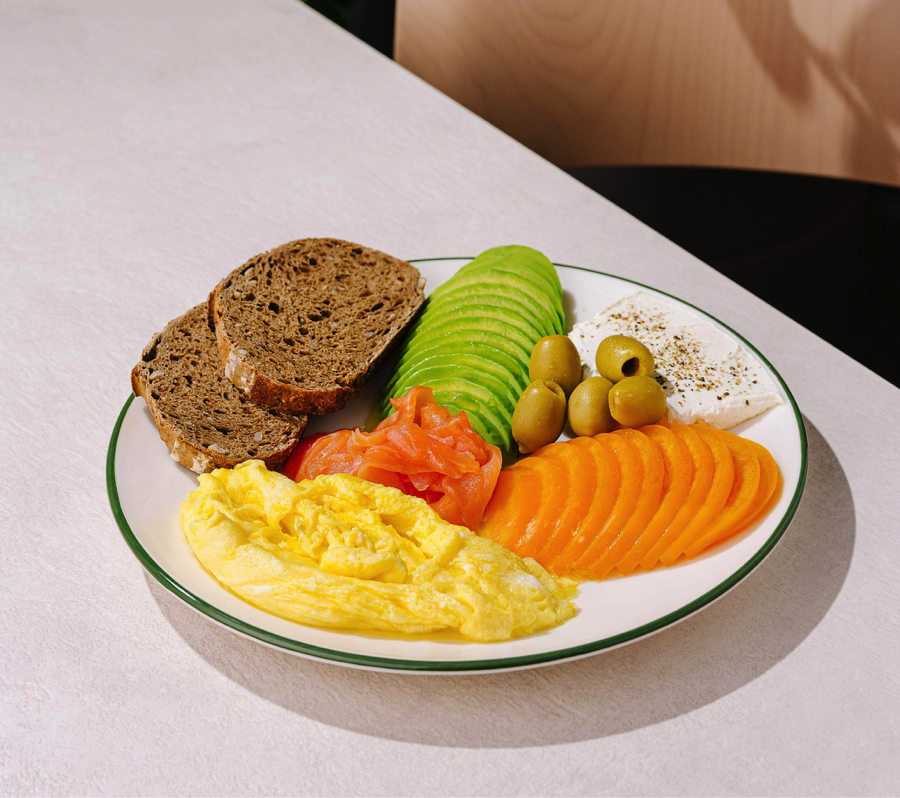
1. Veggie-Packed Omelet with Whole Grain Toast
Eggs are a fantastic source of high-quality protein to start your morning. Whisk two eggs or a cup of liquid egg whites and pour them into a lightly oiled skillet. Fill the center with a generous handful of spinach, diced bell peppers, and mushrooms. These non-starchy vegetables provide volume and essential vitamins for very few calories. Serve your omelet alongside one slice of 100% whole-wheat toast topped with a thin layer of mashed avocado. The avocado supplies healthy fats, while the toast acts as your fiber-rich carbohydrate. This meal perfectly mirrors the divided plate concept.
2. Greek Yogurt Parfait with Berries and Nuts
If you prefer a sweet breakfast, Greek yogurt is an excellent lean protein base that also checks the dairy box. Scoop three-quarters of a cup of plain, unsweetened Greek yogurt into a bowl. Instead of traditional vegetables, you can use a large portion of fresh or frozen mixed berries as your primary fiber and antioxidant source. Top the bowl with a quarter cup of rolled oats or high-fiber bran cereal for your complex carbohydrates. Finally, sprinkle a tablespoon of crushed almonds or walnuts over the top to add healthy fats and a satisfying crunch.
3. Tofu Scramble with Spinach and Sweet Potatoes
Plant-based eaters can easily adapt this strategy using firm tofu. Crumble a quarter block of tofu into a pan and season it with turmeric, nutritional yeast, and a pinch of black pepper. Sauté the tofu with two cups of fresh spinach and diced onions until the greens wilt. For your carbohydrate quarter, roast a small portion of diced sweet potatoes. You can cook the entire meal in a teaspoon of olive oil to incorporate your healthy fats. Sarah Lynn Nutrition explains the Plate Method well, emphasizing that plant-based diets work perfectly within this framework as long as you balance the macronutrients properly.
4. Smoked Salmon and Avocado on Rye
Seafood lovers will appreciate this quick, savory option that requires absolutely no cooking. Layer three ounces of smoked salmon over a slice of dense, fiber-rich rye bread. The salmon provides both lean protein and beneficial omega-3 fatty acids. To fill the vegetable half of your visual plate, serve a large side salad of mixed greens, cucumber slices, and cherry tomatoes dressed with a simple squeeze of lemon juice. Add a few thin slices of avocado on top of the salmon for your dedicated healthy fat serving.
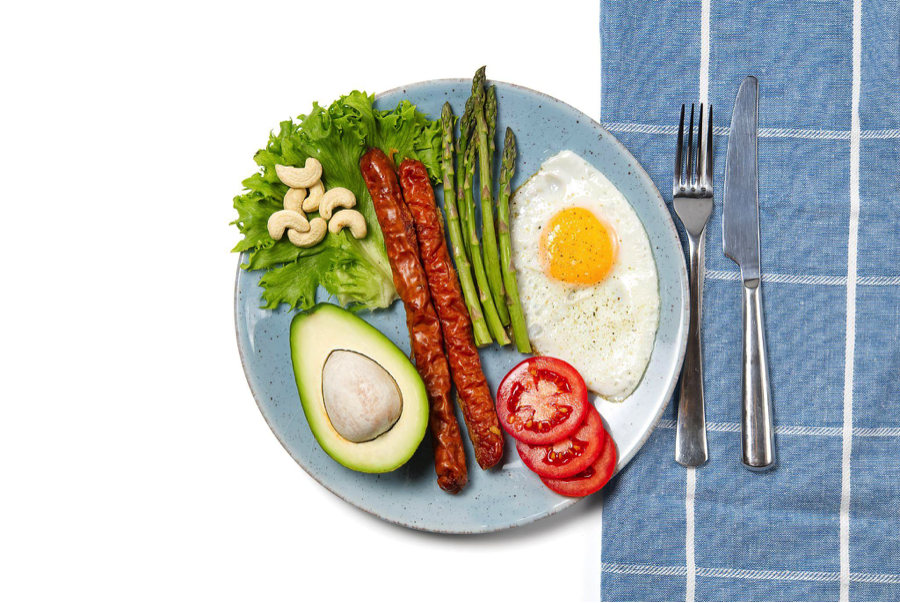
5. Cottage Cheese Bowl with Peaches and Almonds
Cottage cheese is experiencing a well-deserved comeback in the nutrition world. It is packed with casein protein, which digests very slowly and keeps hunger at bay for hours. Fill a quarter of your bowl with low-fat cottage cheese. Add a large serving of fresh sliced peaches or apples to provide natural sweetness and vital micronutrients. Mix in a couple of tablespoons of high-fiber cereal or cooked quinoa for your carbohydrate quarter. A sprinkle of slivered almonds finishes the dish with healthy fats and extra texture.
6. Black Bean and Egg Breakfast Burrito
You can roll your balanced plate into a convenient, portable meal for busy mornings. Scramble one egg with a quarter cup of black beans for a powerful protein-and-fiber combination. Sauté a large handful of chopped zucchini and tomatoes to serve as your non-starchy vegetables. Wrap these ingredients in a small whole-wheat tortilla, which acts as your complex carbohydrate. Add a spoonful of salsa and a slice of low-fat cheese for flavor and a boost of calcium.
7. Oatmeal with Sliced Apples and Walnuts
Oatmeal is a breakfast staple, but it often lacks sufficient protein on its own. You can fix this by cooking your oats in skim milk or fortified soy milk instead of water. For an extra protein boost, stir in a scoop of unflavored or vanilla whey protein powder once the oats are cooked. Mix in half a chopped apple and a handful of shredded carrots to add volume and vegetable-based micronutrients. Top the warm bowl with chopped walnuts for your healthy fats.
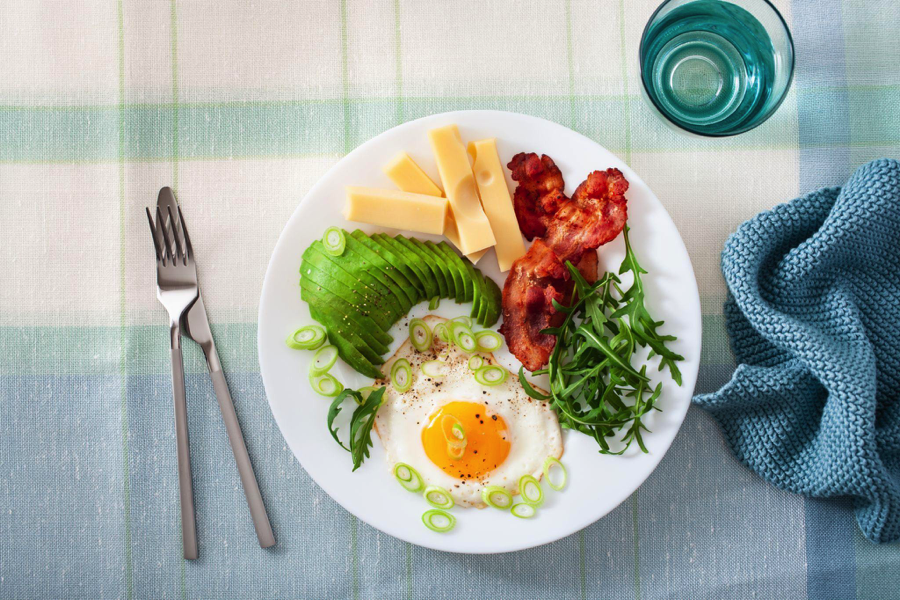
The Long-Term Benefits of Visual Portion Control
Building your morning meals this way does more than just fill your stomach. By focusing on nutrient-dense whole foods, you support your immune system, enhance your energy levels, and promote overall wellness. You will find that you no longer experience the dreaded mid-morning energy crash. Because protein and fiber digest slowly, you will stay comfortably satisfied until your next meal.
You also naturally control your portion sizes, which helps maintain a healthy calorie deficit for weight management. You avoid the stress of tracking every single bite, making healthy eating a sustainable lifestyle choice rather than a temporary diet phase.
Build Better Habits for Your Morning Routine
Transitioning to a new way of eating takes a little practice, but it quickly becomes second nature. By preparing a few of these structured breakfast ideas, you set a positive, healthy tone for the rest of your day. You do not need to overcomplicate your morning routine to see significant improvements in your health, mood, and energy. Try picking just one or two of these simple recipes to test in your kitchen this week. As you become more comfortable with visually dividing your plate, you can start experimenting with your own favorite ingredients to create endless healthy breakfast combinations.
Other Articles You May Find of Interest...
- What a Weight Loss Clinic in Melbourne Can Do Before and After Your Surgery
- Cold Plunge or Sauna? What the Recovery Research Actually Shows
- How Personalized Weight Loss Programs Help Achieve Sustainable, Long-Term Results
- High-Fructose Foods to Limit and Lower-Sugar Alternatives
- Best High-Fiber Foods Chart for Better Digestive Health
- How Many Carbs Are in Turkey Bacon?
- 9 Healthiest Mushrooms to Eat





