More Weight Control, Nutrition & Exercise Articles
How Much Sodium is in a Tablespoon of Salt? Discover the Facts for Better Health
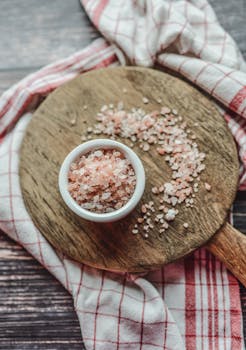
It’s a common question with a surprising impact on everyday health: how much sodium is in a tablespoon of salt? Whether you’re a home cook trying to perfect a recipe or someone managing blood pressure, understanding sodium content is crucial. A tablespoon of salt can come up in cooking unexpectedly, but its impact on your health shouldn’t go unnoticed.
How Much Sodium is in a Tablespoon of Salt?
The amount of sodium in a tablespoon of salt is significant. Each tablespoon contains about 6,976 milligrams of sodium. Considering that the recommended daily intake of sodium for an average adult is less than 2,300 milligrams, a single tablespoon can excessively surpass this limit. This knowledge emphasizes the need for mindful seasoning to maintain health.
Excessive sodium intake can contribute to high blood pressure, heart disease, and stroke. For those keen on reducing sodium consumption, measuring the amount used in cooking and eating can be a vital step towards achieving health goals.
Why Sodium Control Matters in Daily Life
Keeping a check on salt intake is more than just a health-centered activity. It affects daily life by influencing how your body functions and feels. High sodium levels can lead to fluid retention, making you feel bloated and uncomfortable. In extreme cases, it can even impact your heart’s ability to function effectively.
Moreover, managing sodium helps in aligning with overall well-being goals. Embracing a balanced approach to diet not only aids in physical health but also enhances energy levels, mood, and mental alertness.
When to Seek Care
It’s important to know when to seek medical advice for sodium-related concerns. If you’re experiencing symptoms like unexplained swelling, persistent headaches, or a feeling of weakness, consult your doctor. A primary care physician or dietitian can offer guidance tailored to your specific needs.
Those with existing health conditions, such as hypertension or kidney disease, should engage with their healthcare provider to adjust sodium intake appropriately. A proactive approach can prevent complications and improve quality of life.
Tips for Reducing Sodium Intake
Reducing sodium intake doesn’t mean sacrificing flavor. Here are practical tips to cut down on sodium:
- Choose fresh or frozen vegetables instead of canned ones, which often contain added salt.
- Experiment with herbs and spices like garlic, lemon zest, or basil to enhance flavor naturally.
- Read nutrition labels carefully to understand the sodium content in packaged foods.
- Opt for low-sodium or sodium-free options when available.
- Prepare home-cooked meals when possible to control the amount of salt used.
Practical Questions About Sodium Intake
Can I replace table salt with sea salt to reduce sodium?
While sea salt and table salt differ in texture and taste, they contain similar sodium levels by weight. It’s the quantity that matters most, so use either type sparingly.
What symptoms suggest high sodium intake?
Common signs of excessive sodium intake include headaches, thirst, swelling, and elevated blood pressure. If you notice these symptoms consistently, it may be wise to adjust your dietary habits accordingly.
Are there any medications that require sodium management?
Yes, individuals taking medications for hypertension or heart disease may need to monitor sodium closely. Always consult your healthcare provider for advice related to your medications.
How Lifestyle Choices Impact Overall Health
Your dietary choices significantly influence your health outcomes. By reducing sodium intake and making informed lifestyle decisions, you align with a more health-conscious lifestyle. For insights on how these choices affect your health, read more about how lifestyle choices impact overall health.
Understanding how much sodium in a tablespoon of salt aids in making smarter health decisions. By balancing sodium intake and mindful seasoning, individuals can enjoy flavorful meals without compromising their health.
Takeaways
- A tablespoon of salt contains about 6,976 mg of sodium, surpassing the daily recommended intake.
- Managing sodium is crucial for reducing the risk of hypertension and cardiovascular issues.
- Simple lifestyle changes can significantly reduce sodium intake.
- Herbs and spices can be a flavorful alternative to salt in cooking.
- Consulting with a healthcare provider can offer personalized guidance on sodium management.
Common Questions
When should I see a doctor about sodium levels?
If you have high blood pressure or kidney problems or notice symptoms like bloating and fatigue, it’s important to discuss sodium intake with your doctor. They can provide personalized advice based on your health needs.
Which healthcare professionals can help manage sodium intake?
A dietitian or nutritionist can help with personalized eating plans to keep sodium intake balanced. They work alongside doctors, particularly for those with health conditions that require closer sodium monitoring.
How can excessive sodium consumption impact daily activities?
Excessive sodium can lead to bloating and fatigue, affecting physical comfort and energy levels throughout the day. This can interfere with activities such as exercise, work, and general daily tasks.
Adjusting sodium intake is a small change that can have substantial health benefits. For more information about health and lifestyle, visit this page.
Other Articles You May Find of Interest...
- What a Weight Loss Clinic in Melbourne Can Do Before and After Your Surgery
- Cold Plunge or Sauna? What the Recovery Research Actually Shows
- How Personalized Weight Loss Programs Help Achieve Sustainable, Long-Term Results
- High-Fructose Foods to Limit and Lower-Sugar Alternatives
- Best High-Fiber Foods Chart for Better Digestive Health
- How Many Carbs Are in Turkey Bacon?
- 9 Healthiest Mushrooms to Eat