More Weight Control, Nutrition & Exercise Articles
Optimal Injection Locations for GLP-1 Therapy: A Comprehensive Guide
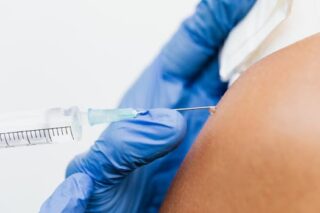
Managing type 2 diabetes often involves the use of medications to maintain blood glucose levels. One effective type of treatment is GLP-1 receptor agonists, administered as injections. Correctly selecting GLP-1 injection sites is crucial for effective therapy and to minimize discomfort. This guide will delve into the recommended locations for these injections, how to administer them, and what to consider for safety and effectiveness.
Understanding GLP-1 Injection Sites
When it comes to GLP-1 injection sites, the most recommended areas generally include the abdomen, thigh, or the upper arm. Each location offers unique benefits and considerations, but the decision will often come down to factors such as convenience, comfort, and individual patient needs.
The Abdomen
The abdomen is often the most favored site for GLP-1 injections due to several factors. It has a larger surface area, allowing for flexibility in injection points. This can help with pain management and reduce the likelihood of developing skin issues, such as lipoatrophy.
- Ensure the injection is administered at least two inches away from the navel to enhance absorption efficiency.
- Rotate the specific spot of injection within the abdominal area to prevent skin complications.
The Thigh
The thigh is another feasible option for administering GLP-1 medications. Consider injecting into the front of the thigh slightly away from the midline for optimal comfort. This site might be particularly suitable for those who find it easier to see and reach their thighs compared to other areas.
The Upper Arm
While less common due to accessibility challenges, the upper arm remains a viable GLP-1 injection site. Assistance might be required for correct administration, especially if self-administering. Make sure to use the outer area of the upper arm where there is more subcutaneous tissue.
Best Practices for GLP-1 Injection Sites
Regardless of the chosen site, adhering to best practices for administering injections is key to maximizing the benefits of GLP-1 therapy. Here are some tips to consider:
- Always use a new, sterile needle with each injection to prevent infections and contamination.
- Rotate injection sites within the chosen area to prevent skin irritation or lipoatrophy.
- Maintain a consistent administration schedule to optimize blood sugar control.
For more detailed guidance on managing weight in conjunction with GLP-1 therapy, please refer to our article on safe and effective weight loss approaches.
Potential Side Effects and Considerations
While GLP-1 receptor agonists are generally well-tolerated, there can be side effects, such as nausea or localized pain at the injection site. It’s critical to monitor any adverse reactions and consult a healthcare provider if they persist.
Common Questions About GLP-1 Injection Sites
Successful management of type 2 diabetes with injectable therapies relies heavily on understanding GLP-1 injection sites and their proper use. Below are answers to frequently asked questions to guide your treatment:
What is the most popular location for GLP-1 injections?
The abdomen is commonly preferred due to ease of access and effective absorption.
Can I inject GLP-1 therapy anywhere on my body?
No, it is essential to use designated areas like the abdomen, thigh, or upper arm to ensure proper absorption and reduce the risk of complications.
How can I reduce pain at GLP-1 injection sites?
Utilizing a new needle for each injection and properly rotating sites can help minimize discomfort.
Are there any serious risks associated with GLP-1 injections?
Most side effects are mild, but if severe reactions occur, consult your healthcare provider immediately. More information on type 2 diabetes treatments can be found at Wikipedia.
Should I consult my physician about GLP-1 injection sites?
Absolutely. Always discuss with your healthcare provider for personalized advice tailored to your health needs.
GLP-1 injection sites play a fundamental role in the management of diabetes through hormone therapy. Choosing the right site and following best practices enhances treatment efficacy and patient comfort.
- The abdomen, thigh, and upper arm are common GLP-1 injection sites.
- Rotating injection points within these sites reduces skin complications.
- Proper injection techniques help optimize treatment outcomes.
- Consult with a healthcare provider for personalized injection site guidance.
- For further educational resources, please see our article on weight management and hidden causes.
Other Articles You May Find of Interest...
- What a Weight Loss Clinic in Melbourne Can Do Before and After Your Surgery
- Cold Plunge or Sauna? What the Recovery Research Actually Shows
- How Personalized Weight Loss Programs Help Achieve Sustainable, Long-Term Results
- High-Fructose Foods to Limit and Lower-Sugar Alternatives
- Best High-Fiber Foods Chart for Better Digestive Health
- How Many Carbs Are in Turkey Bacon?
- 9 Healthiest Mushrooms to Eat