






Your Health Magazine
4201 Northview Drive
Suite #102
Bowie, MD 20716
301-805-6805
More Hair Care Articles
Best Red Light Therapy Devices for Hair Growth 2026
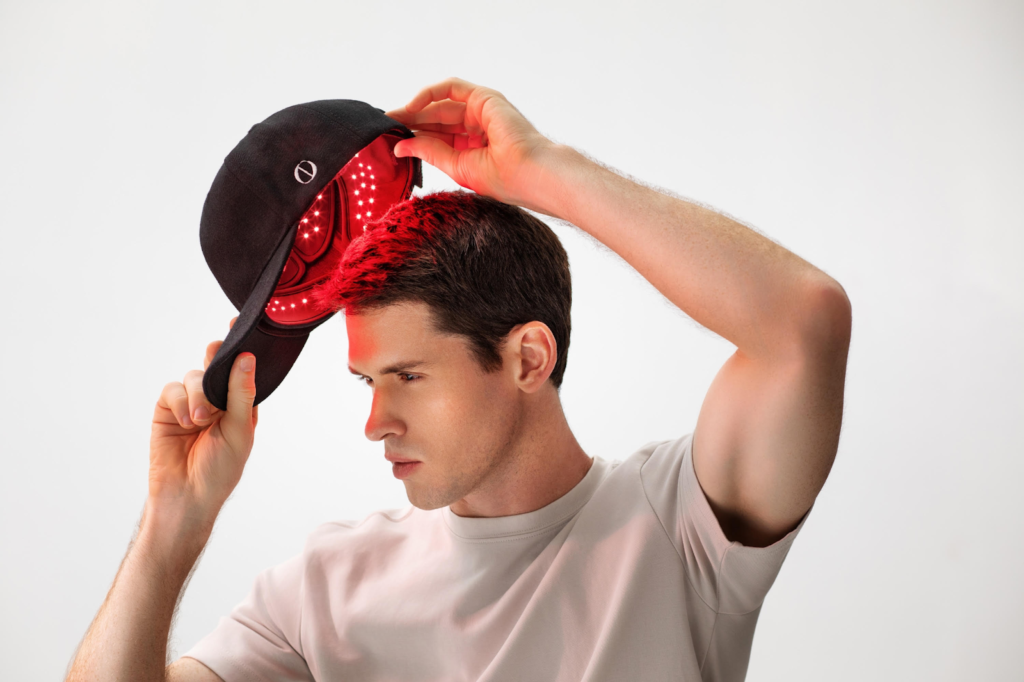
Red light therapy has become one of the most clinically supported at-home treatments for hair loss and thinning. Unlike topical solutions that work on the surface, red and near-infrared light penetrates into the scalp to energize dormant follicles, improve circulation, and support the conditions needed for stronger, thicker hair growth. The research behind it has deepened considerably over the past decade, and the devices available today are a significant step forward from the first generation of at-home options.
The challenge is that the category has grown quickly, and the gap between a genuinely effective device and one that simply looks the part is wider than most buyers expect. LED density, scalp coverage, wavelength precision, and power output all determine whether a red light therapy hair growth device actually stimulates meaningful follicle activity or just goes through the motions. Getting those fundamentals right is what separates the devices worth investing in from the ones that will leave you waiting months for results that never arrive.
What Makes Red Light Therapy Effective for Hair Growth
Before getting into the rankings, it is worth understanding what to look for, because the marketing in this category can make very different devices sound nearly identical.
Wavelengths: Red light between 630 and 660nm and near-infrared light around 830nm are the wavelengths with the strongest clinical backing for follicle stimulation and scalp health. These are the numbers to look for. Devices that do not disclose specific wavelengths should be treated with caution.
LED Density and Coverage: The number of LEDs matters less than how evenly they are distributed across the full scalp. Gaps in coverage mean parts of the scalp receive no treatment, and those areas will not respond. Full scalp coverage with consistent light distribution is more important than a high LED count concentrated in one area.
Power Output: Irradiance, measured in mW/cm², determines how much therapeutic light actually reaches the scalp tissue. Too low and sessions produce minimal follicle response regardless of how consistently you use the device. The sweet spot for meaningful stimulation sits in the range that delivers enough energy dose per session without requiring impractically long treatment times.
FDA Clearance: For at-home use, FDA clearance signals that the device has been reviewed against safety and efficacy standards. It is not a guarantee of results, but it is a meaningful baseline that separates professionally validated devices from unverified options.
Comfort and Usability: Red light therapy requires consistent use over months to produce visible results. A device that is uncomfortable, inconvenient, or difficult to wear regularly will not deliver results regardless of its specifications. Lightweight, hands-free designs that fit into a normal routine are significantly more likely to be used consistently.
1. LED Esthetics Glotech™ Hair Pro
LED Esthetics — $475
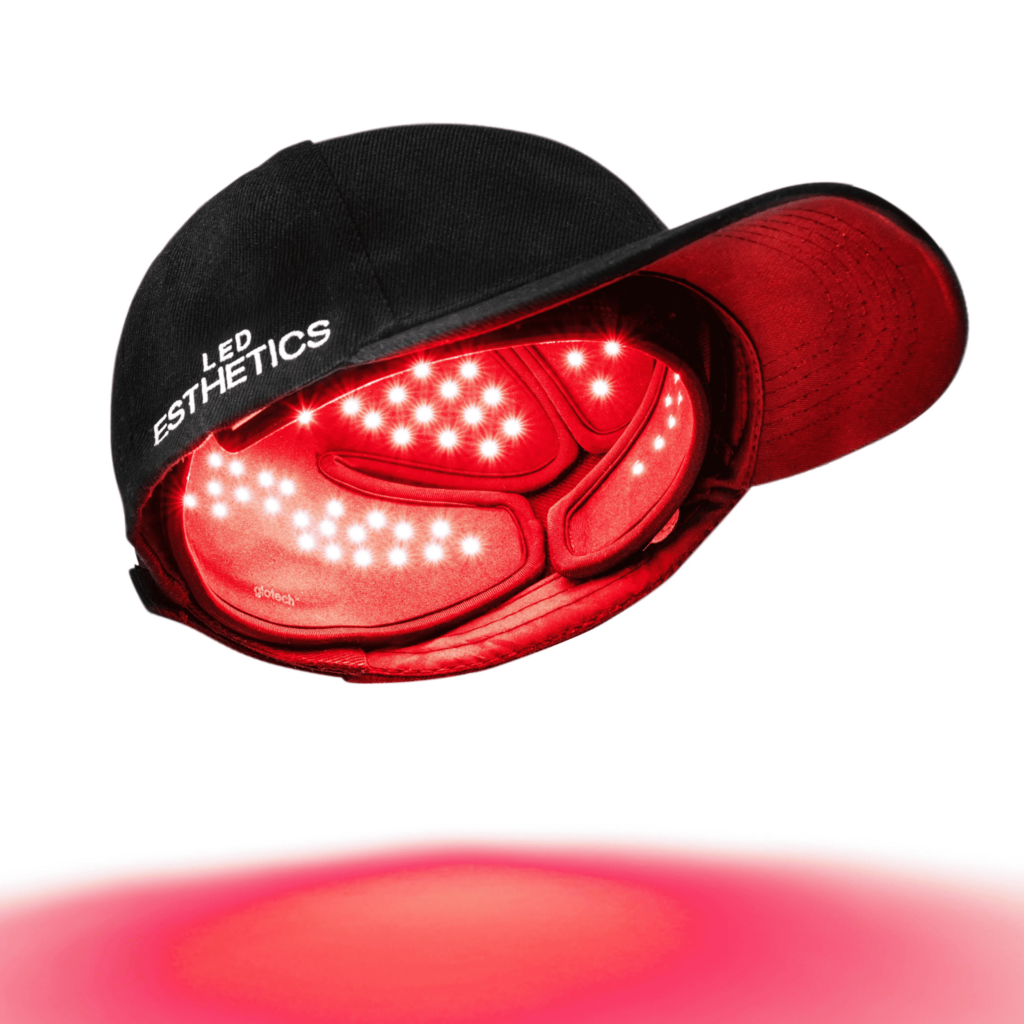
The Glotech Hair Pro sits at the top of this list because it addresses the two things that most commonly limit results from at-home hair growth devices: coverage and power. Its foldable panel design delivers 180 high-density red LEDs across the full scalp, including the areas along the hairline and crown that other devices frequently miss.
It is FDA-cleared as a Class II medical device, which puts it in a more rigorous category than most consumer hair growth devices, and it is CE-certified for international safety standards. The wireless, lightweight design makes it practical for daily use, and the foldable format means it can be worn discreetly under a hat or beanie during treatment, removing one of the most common barriers to consistent use.
In testing, users with early to moderate thinning reported visible improvements in hair density and reduced shedding within three to four months of regular use. For a device at this price point with this specification, that timeline is consistent with what the clinical evidence on red light therapy would outline.
Best for: Anyone looking for a full-scalp, clinically validated solution for thinning hair or early hair loss who wants a device built around the specifications that drive real results.
Key specs: 180 high-density LEDs, red and near-infrared wavelengths, FDA-cleared Class II medical device, CE-certified, wireless, foldable panel design, full scalp coverage.
2. CurrentBody LED Hair Growth Helmet
CurrentBody Skin — $860
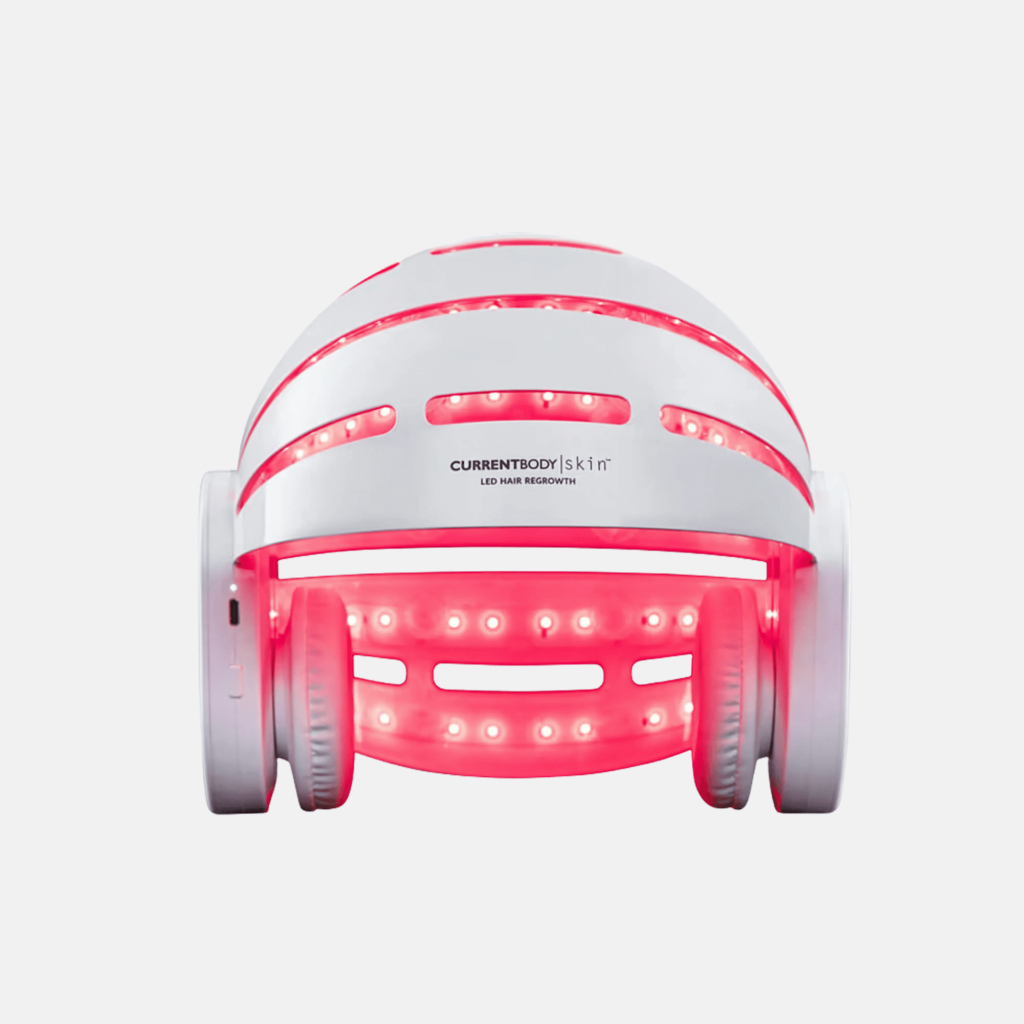
The CurrentBody Hair Growth Helmet is a solid full-scalp option from a brand with strong credibility in the at-home LED space. It is FDA-cleared, covers the full scalp, and the hands-free helmet design makes sessions easy to fit into a daily routine without requiring any active attention during treatment.
The main limitation is its LED density. At 120 LEDs, the power output is lower than the top-ranked devices, which means the energy dose delivered to the follicles per session is reduced. This does not make it ineffective, but it does mean results are likely to take longer to appear and may be less pronounced for those with more advanced thinning. At its price point, the lower irradiance is a meaningful consideration.
Best for: Users who want a reliable, hands-free helmet from a trusted brand with a proven track record in at-home LED therapy.
Key specs: 120 LEDs, red and near-infrared wavelengths, FDA-cleared, full scalp coverage, helmet design.
3. HigherDOSE Red Light Therapy Hair Cap
HigherDOSE — $449
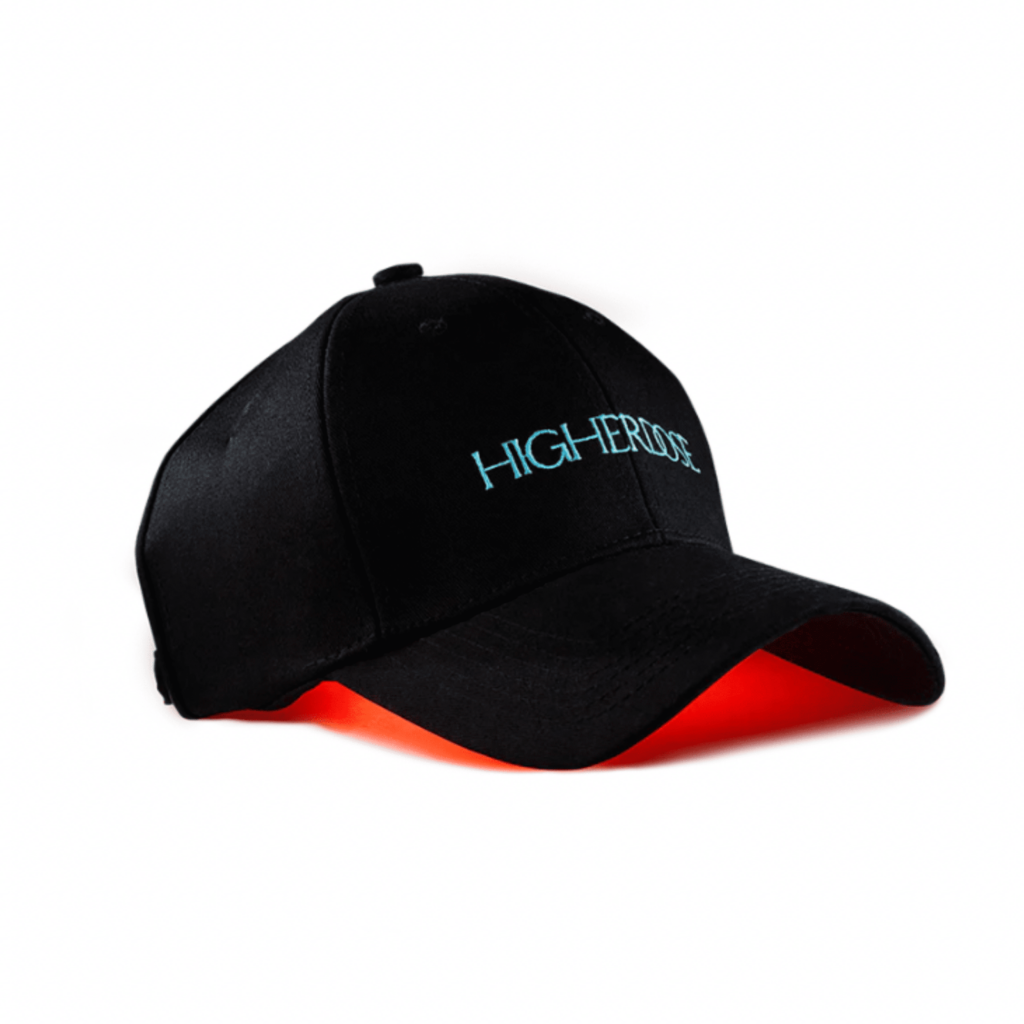
The HigherDOSE Hair Cap takes a more lifestyle-focused approach to red light therapy, designed to be lightweight and wearable during daily activities rather than a dedicated treatment session. For users who struggle to set aside specific time for hair growth routines, the format has practical appeal.
The tradeoff is performance. With 120 LEDs and reduced scalp coverage compared to full-coverage helmets, the therapeutic dose delivered per session is limited. For users with mild thinning who are primarily looking to support scalp health and slow further loss, it is a reasonable option. For those looking to drive visible regrowth, the lower power output and coverage gaps are likely to fall short of expectations.
Best for: Users with mild thinning who want a lightweight, wearable option that integrates easily into daily activities.
Key specs: 120 LEDs, red light wavelengths, FDA-cleared, hat design, lightweight.
4. iRestore Essential Hair Growth Helmet
iRestore — $499
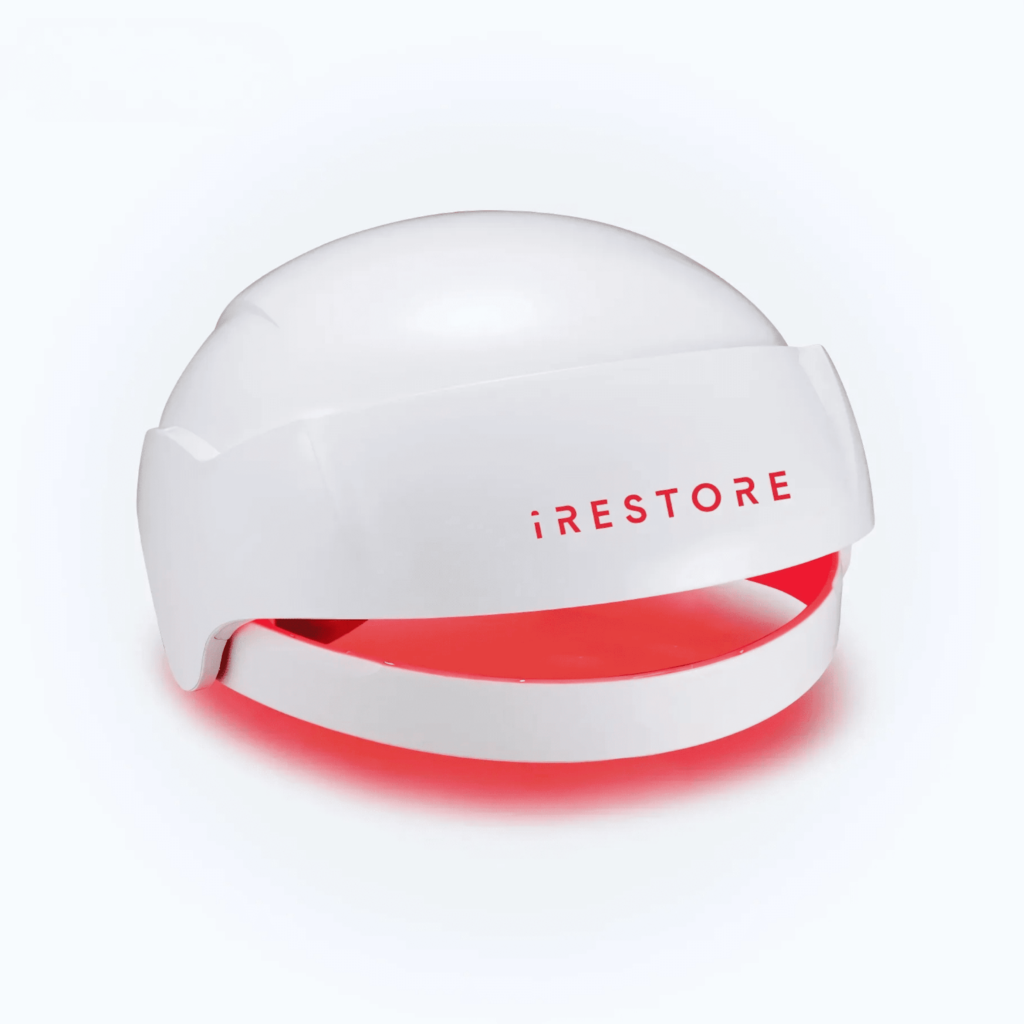
The iRestore Essential is one of the more widely recognized names in at-home hair growth technology and combines both laser diodes and LEDs in a single device. The dual approach provides follicle stimulation across multiple light delivery mechanisms, and FDA clearance gives it a credible clinical foundation.
The design is its most significant limitation. The plastic helmet is bulkier and heavier than more modern alternatives, which affects comfort during the recommended 25-minute sessions. The diode distribution also leaves some areas of the scalp with less consistent coverage, which can lead to uneven results over time. User feedback reflects modest but real improvements for those who maintain consistent use, though the session length and bulk make that consistency harder to achieve.
Best for: Users who want an established, FDA-cleared device that combines both laser and LED technology in a single hands-free helmet.
Key specs: Combined laser diodes and LEDs, FDA-cleared, helmet design, 25-minute sessions.
5. HairMax LaserBand 82 ComfortFlex
HairMax — $849
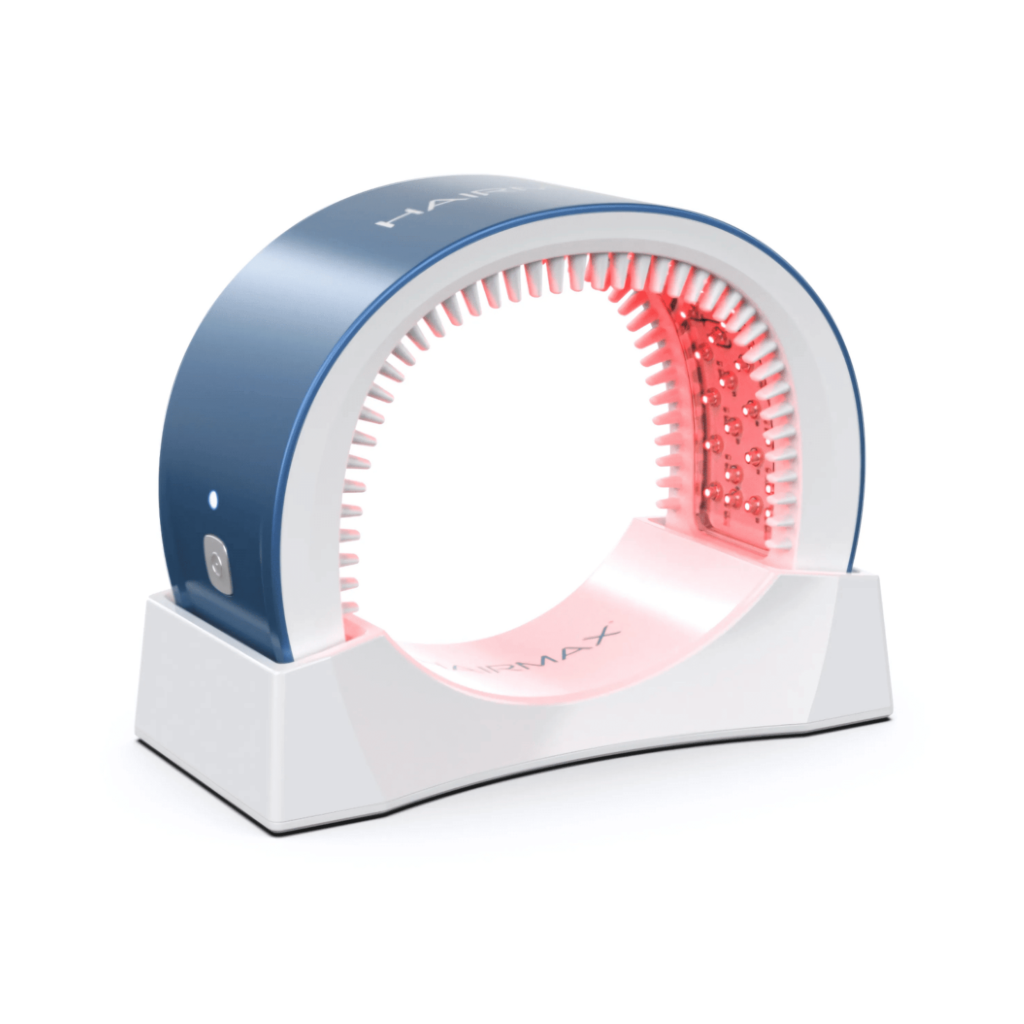
The HairMax LaserBand 82 is a compact, portable option that uses 82 laser diodes in a band format rather than a full helmet. For users who travel frequently or want something smaller than a full-coverage device, the format has appeal. It is FDA-cleared and uses laser technology with a clinical history in hair growth research.
The practical limitation is that it covers only a section of the scalp at a time. Users need to manually reposition it multiple times per session to treat the full head, which makes sessions longer and more involved than hands-free alternatives. For users committed to following that process consistently, it can produce results. For those who want a simpler, set-and-forget routine, the manual repositioning requirement is a real barrier.
Best for: Users who travel frequently and want a compact, portable option and are willing to manage manual repositioning during sessions.
Key specs: 82 laser diodes, FDA-cleared, band format, portable.
Is Red Light Therapy Safe for Hair Growth?
Red light therapy is considered one of the safest non-invasive options for stimulating hair regrowth when using an FDA-cleared device as directed. The red and near-infrared wavelengths used in these devices do not carry the risks associated with UV light or heat-based treatments. They work at controlled intensities to improve circulation, energize weakened follicles, and support the scalp environment that healthy hair growth requires.
Most users experience no side effects. Mild scalp warmth after sessions is the most commonly reported response and typically resolves quickly. Users with sensitive scalps or those taking photosensitizing medications should consult a healthcare professional before beginning treatment.
When used consistently and as directed, an FDA-cleared red light therapy device provides a safe, evidence-backed approach to combating thinning and improving hair density over time. For many users, it represents a sustainable long-term solution that sits comfortably alongside other hair care habits without the side effects associated with pharmaceutical alternatives.
Our Verdict
For most people dealing with thinning hair or early hair loss, the LED Esthetics Glotech Hair Pro offers the strongest combination of clinical-grade validation, scalp coverage, LED density, and practical usability. It is built around the specifications that the research consistently points to as the drivers of meaningful follicle stimulation, and the form factor makes consistent use genuinely achievable.
For those who prioritize brand familiarity or a traditional helmet format, the CurrentBody Hair Growth Helmet is a reliable alternative from a well-regarded brand, with the understanding that results may take longer to appear. The best device is ultimately the one you use consistently for long enough to allow the hair growth cycle to respond, and that means choosing something that fits your routine as much as it fits the spec sheet.
Frequently Asked Questions
How long does red light therapy take to work for hair growth? Most users notice a reduction in shedding within the first six to eight weeks of consistent use. Visible improvements in density and thickness typically follow between three and five months. Progress can be gradual, so photographing your scalp under the same lighting before you start makes it much easier to track real change over time.
Can red light therapy work for all hair loss types? It is most effective for androgenetic alopecia, the most common form of hair thinning in both men and women, and for general diffuse thinning. It is less likely to produce results for hair loss caused by scarring, autoimmune conditions like alopecia areata, or sudden stress-related shedding. If you are unsure about the cause of your hair loss, a dermatologist or trichologist can help you identify the best approach.
How often should you use a red light therapy hair device? Three to five sessions per week is the range most consistent with clinical evidence. Some users begin with daily sessions in the first two to three months to build momentum, then move to a maintenance frequency once density has improved. Consistency over time matters far more than session intensity.Does red light therapy work alongside other hair loss treatments? Yes, and for many users the results are stronger when combined with a targeted scalp serum or clinically backed topical treatment. Red light therapy supports the scalp environment and follicle activity, while topical ingredients like Redensyl or Capixyl work directly on the follicle. The two approaches complement rather than compete with each other.
Other Articles You May Find of Interest...
- Best Red Light Therapy Devices for Hair Growth 2026
- Hair Transplant for Women: Causes of Female Hair Loss + Best Approaches in 2026
- Battling Bad Hairlines: Tips for Regrowth and Confidence
- Unlocking the Secrets of Low Porosity Hair: What It Means for Your Hair Care Routine
- Natural Hair and Skin Wellness: The Power of Organic Oils and Hydrosol Sprays
- Can Adderall Lead to Hair Loss? Exploring the Connection
- What Your Scalp Is Trying to Tell You (And Why Your Shampoo May Be the Problem)




