More Chiropractic Care Articles
Dextroscoliosis: Navigating the Challenges and Treatment Options for Thoracic Spine Curvature
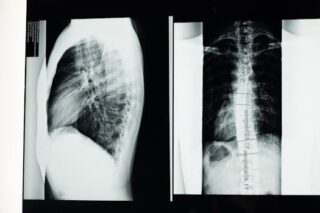
Dextroscoliosis is a specific type of scoliosis where the spine curves to the right side of the body. Most commonly affecting the thoracic spine, dextroscoliosis can lead to various challenges. Understanding the nature of this condition and the available treatment options is vital for managing its impact on health and quality of life.
Understanding Dextroscoliosis
Dextroscoliosis, characterized by its rightward curvature, typically manifests in the middle section of the spine known as the thoracic region. This condition can range from mild to severe, potentially influencing posture, physical comfort, and even heart or lung function depending on the degree of curvature. It’s crucial to approach each case individually, taking into account the symptoms and specific needs of the patient.
Causes and Risk Factors
The exact cause of dextroscoliosis is often unknown, but several factors may contribute, including genetic predispositions, neuromuscular conditions, or unevenly distributed weight. Although anyone can develop dextroscoliosis, it commonly appears during the growth spurts in childhood or adolescence. Identifying risk factors can aid in early detection and management.
Symptoms of Dextroscoliosis of the Thoracic Spine
Symptoms of dextroscoliosis of the thoracic spine vary widely. Some individuals may notice visible signs such as uneven shoulders or waist, a prominent shoulder blade, or asymmetrical rib cage alignment. In more pronounced cases, dextroscoliosis can lead to discomfort or pain, reduced range of motion, or respiratory limitations.
Diagnosis
Diagnosing dextroscoliosis typically involves a combination of physical consultations and imaging tests. Physicians may perform physical examinations to check for symmetry in the back and shoulders. Radiographic tests such as X-rays or MRIs provide detailed images, helping assess the angle and severity of the spinal curvature.
Treatment Options
Treatment depends on the severity and progression of the curve. For mild cases, monitoring the condition with regular check-ups might be sufficient. Physical therapy exercises can help in maintaining flexibility and strength. More proactive treatments may involve bracing, particularly in growing children, to prevent the curve from worsening.
Surgical Interventions
For severe dextroscoliosis, especially when it affects organ function or causes persistent pain, surgical intervention might be considered. Procedures like spinal fusion can correct or stabilize the curvature. It’s essential for patients and healthcare providers to weigh the benefits and risks before opting for surgery.
Additionally, exploring how lifestyle choices impact overall health can be beneficial for those dealing with dextroscoliosis. A balanced diet and regular low-impact exercise can maintain spinal health and contribute to overall well-being.
Living with Dextroscoliosis
Navigating life with dextroscoliosis involves adapting daily activities and routines to manage symptoms effectively. Ergonomic adjustments in the workplace and at home can minimize discomfort and support the spine. Understanding personal limits and maintaining a support network are crucial.
Research and support communities offer invaluable insight and advice. Discussions with healthcare providers about coping strategies and treatment updates can also help individuals maintain an active and fulfilling lifestyle despite the challenges of dextroscoliosis.
For further reading on spine health, you may visit this comprehensive article on general health.
Conclusion
Managing dextroscoliosis involves understanding its characteristics, regularly assessing its progression, and utilizing appropriate treatments. Through combining medical expertise with lifestyle adjustments, individuals can continue to lead active, healthy lives. If you suspect you have dextroscoliosis, or if it’s confirmed, consult your healthcare provider for a personalized approach to managing this condition.
- Dextroscoliosis involves a rightward curvature of the spine.
- Commonly affects the thoracic spine region.
- Early diagnosis is crucial for effective management.
- Treatment ranges from observation to surgical intervention.
- Healthy lifestyle choices can support spine health.
What is dextroscoliosis?
Dextroscoliosis is a type of scoliosis where the spine curves to the right side, typically in the thoracic region.
How is dextroscoliosis diagnosed?
Diagnosis involves a physical examination and imaging tests such as X-rays or MRIs to evaluate the severity of the curve.
Can lifestyle changes help manage dextroscoliosis?
Yes, adopting a lifestyle with balanced nutrition and regular low-impact exercise can support overall spinal and health management.
What are the treatment options for dextroscoliosis?
Treatment options range from regular monitoring and physical therapy to bracing and, in severe cases, surgical intervention.
Where can I find more information about living with chronic spine conditions?
Consult reputable health resources like specialized scoliosis organizations or discuss with healthcare providers for personalized advice.
Other Articles You May Find of Interest...
- Choosing Chiropractic Care Starts With Understanding Your Needs
- Back Pain After a Chiropractic Adjustment: Normal Soreness or a Warning Sign?
- Why Northwest Arkansas’s Cycling Culture and Desk-Job Boom Both Show Up in Chiropractic Visits
- Why Your Neck Cracks Every Time You Turn
- Understanding the Best Options for Car Accident Treatment
- Why Dizziness Can Be So Difficult to Explain: Understanding the Systems That Keep You Balanced
- Why More People Are Seeking Posture Correction in Singapore