






More Heart Disease, Stroke and Diabetes Articles
Unraveling the Mystery of Anisopoikilocytosis in Blood Health
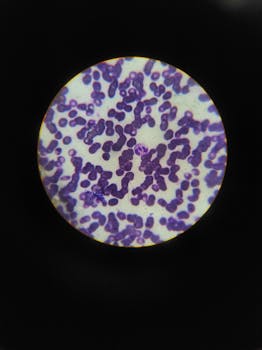
Anisopoikilocytosis is a term that may not be familiar to many, but it plays an important role in diagnosing various blood disorders. Understanding what it means and how it affects your health is crucial for those experiencing symptoms related to blood cell irregularities. Anisopoikilocytosis refers to a condition involving the presence of red blood cells of varying sizes and shapes, and it can provide significant clues in assessing underlying medical conditions.
What is Anisopoikilocytosis?
Anisopoikilocytosis is a hematological term used to denote a mixture of anisocytosis and poikilocytosis. Anisocytosis indicates a variation in red blood cell size, while poikilocytosis refers to a variation in shape. Together, anisopoikilocytosis may point to underlying issues such as nutritional deficiencies, bone marrow disorders, or other systemic conditions.
Causes of Anisopoikilocytosis
Several factors may contribute to the development of anisopoikilocytosis. It is often seen in conditions involving iron deficiency, vitamin B12 deficiency, or folate deficiency. Each of these nutrients plays a crucial role in red blood cell production and function. Additionally, it can occur in cases of chronic illnesses, blood-related cancers, and genetic disorders affecting hemoglobin.
Diagnosing Anisopoikilocytosis
To diagnose anisopoikilocytosis, healthcare providers rely on a complete blood count (CBC) and a peripheral blood smear. The CBC provides details about the composition of blood cells, while the blood smear allows for a closer examination of the cells under a microscope. Observing significant variations in the size and shape of red blood cells can confirm the presence of anisopoikilocytosis.
Treatment Options and Management
Management of anisopoikilocytosis largely depends on the underlying cause. If nutritional deficiencies are responsible, dietary adjustments along with supplements may help correct the imbalance. For other conditions, such as bone marrow disorders or chronic diseases, specific medical treatment protocols are necessary. Regular monitoring of blood parameters is essential to evaluate the effectiveness of any interventions.
Potential Complications
While anisopoikilocytosis itself is a diagnostic clue, it can lead to various complications if the underlying condition is left untreated. Potential problems include anemia, decreased oxygen delivery to tissues, and reduced ability to fight infections. Therefore, identifying the root cause and initiating appropriate treatment is crucial.
Living with Anisopoikilocytosis
Living with anisopoikilocytosis involves regular medical check-ups and possibly lifestyle modifications to manage the associated conditions. Dietary recommendations, maintaining a healthy lifestyle, and adhering to treatment plans can help improve quality of life and control symptoms.
When to See a Doctor
If you experience symptoms such as fatigue, pallor, or unexplained weakness, it is important to consult a healthcare professional. These could be indicative of underlying blood disorders that may result in anisopoikilocytosis. Early diagnosis and intervention can significantly influence outcomes.
Anisopoikilocytosis in Focus
Understanding anisopoikilocytosis can be vital for individuals experiencing signs related to blood health. For more detailed insight, you may find resources that delve into related topics such as recognizing symptoms of hemochromatosis helpful through our article on hemochromatosis symptoms.
For more general information about health terminology and conditions, you may also find it beneficial to explore resources such as this overview of health definitions and concepts.
- Anisopoikilocytosis refers to variations in the size and shape of red blood cells.
- Nutritional deficiencies and bone marrow disorders are common causes.
- Diagnosis is made through blood tests, including a CBC and blood smear.
- Treatment focuses on addressing underlying causes and symptoms.
- Consult a healthcare provider if you experience symptoms like fatigue or weakness.
What is anisopoikilocytosis?
Anisopoikilocytosis is a condition indicating the presence of red blood cells that vary in size and shape, typically due to underlying medical issues.
What causes anisopoikilocytosis?
Common causes include iron, vitamin B12, or folate deficiencies, bone marrow disorders, and certain chronic illnesses.
How is anisopoikilocytosis diagnosed?
Diagnosis involves a complete blood count and examining a peripheral blood smear to observe red blood cell variations.
What are the treatment options?
Treatment focuses on addressing the root cause, which may involve nutritional supplements or specific medical therapies, depending on the condition.
When should I see a doctor for anisopoikilocytosis?
Consult a healthcare professional if you experience fatigue, pallor, or weakness, as these may be related to blood health issues requiring medical attention.
Other Articles You May Find of Interest...
- Decoding Your Hemoglobin A1C Conversion Table for Better Glucose Management
- Is Tupelo Honey Really Better For Diabetics?
- Cardiology: The Heart of Modern Medicine
- Recognizing the Symptoms of a Hole in the Heart in Adults
- What Your Cholesterol Numbers Are Actually Telling You (And How Nutrition Can Help)
- Exploring Life Expectancy After the Watchman Procedure: What to Expect
- How Long Does an Echocardiogram Take? What to Expect




