






More Family/Primary Care Articles
Mastering Orthostatic Blood Pressure Measurement for Better Health
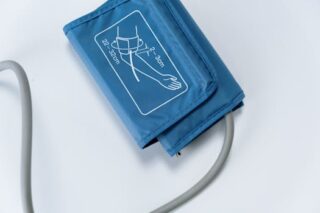
Measuring your blood pressure accurately is crucial for understanding your heart health. One critical method, particularly for diagnosing certain heart and vascular conditions, is to learn how to take orthostatic BP measurements. This procedure helps identify changes in blood pressure and heart rate when transitioning from lying down to standing. Let’s explore this process and the key steps to perform it correctly.
How to Take Orthostatic BP
Taking orthostatic blood pressure involves a multi-position assessment that provides insights into how your body regulates blood pressure. This method typically involves measuring your blood pressure and heart rate in three positions: lying down, sitting, and standing. This can help detect orthostatic hypotension, a condition where blood pressure drops significantly when you stand up, leading to dizziness or fainting.
Step-by-Step Guide to Orthostatic BP Measurement
To get started, ensure you have a reliable blood pressure monitor. Follow these steps for an accurate reading:
- Initial Resting Measurement: Have the person lie down for at least 5 minutes. Take and record the blood pressure and heart rate. This serves as the baseline reading.
- Sitting Measurement: Have the person sit up slowly. After 1-2 minutes of sitting, take and record the blood pressure and heart rate again.
- Standing Measurement: Ask the person to stand up. Wait for about 1-2 minutes, then take and record the blood pressure and heart rate.
Recording these measurements accurately is vital for interpreting the results and identifying potential health issues.
Understanding the Significance of Orthostatic Changes
The primary goal of these measurements is to observe any substantial differences in blood pressure and heart rate across the different positions. A significant drop in blood pressure when standing, termed orthostatic hypotension, can indicate underlying cardiovascular issues or effects of certain medications.
When to Seek Professional Guidance
If your orthostatic BP measurements indicate significant drops, or if you experience symptoms like dizziness or lightheadedness when standing, it’s advisable to consult a healthcare provider. Understanding how lifestyle choices impact your health can also aid in managing any identified conditions.
Factors That Affect Orthostatic BP Measurements
Several factors can influence your blood pressure readings, including:
- Dehydration: Lack of fluids can lower blood pressure and exacerbate symptoms.
- Medication: Some medications can impact blood pressure regulation.
- Age: Older adults might experience more pronounced orthostatic changes.
Maintaining a healthy lifestyle and staying informed about your body’s responses to positional changes can aid in managing your overall heart health.
External Resources
For more detailed information on orthostatic blood pressure and related conditions, consider visiting credible resources like the health section on Wikipedia for a broad overview.
In conclusion, mastering how to take orthostatic BP measurements empowers you to monitor and track your cardiovascular health actively. Ensure you perform these checks regularly and consult your healthcare provider to interpret the results accurately.
- Orthostatic BP measurement helps detect blood pressure changes upon standing.
- Key positions for measuring: lying, sitting, standing.
- Record both blood pressure and heart rate for analysis.
- If significant changes occur, consult a healthcare professional.
- Factors like hydration and medications can affect results.
What is orthostatic hypotension?
Orthostatic hypotension is a condition characterized by a significant drop in blood pressure when a person stands up from sitting or lying down, causing symptoms like dizziness or lightheadedness.
How often should orthostatic BP measurements be taken?
Measurements should be taken as advised by a healthcare provider, especially if there are symptoms indicative of orthostatic hypotension or related cardiovascular issues.
Can lifestyle adjustments improve orthostatic BP results?
Yes, maintaining good hydration, regular exercise, and a balanced diet can support cardiovascular health and potentially improve orthostatic blood pressure results.
What are common symptoms to monitor when taking orthostatic BP?
Look out for dizziness, lightheadedness, or fainting, particularly when transitioning from lying down or sitting to standing.
Are there other tests for diagnosing orthostatic hypotension?
A healthcare provider may recommend additional tests, such as tilt-table tests or blood tests, to confirm and understand the underlying cause of orthostatic hypotension.
Other Articles You May Find of Interest...
- When the Emergency Room Isn’t Enough
- The Secret To Good Health
- Why Personalized Preventive Healthcare Is Replacing One-Size-Fits-All Medicine
- How Home Doctor Services Reduce Waiting Time and Improve Patient Experience
- Why Annual Flu Vaccination Matters and How Home Flu Shots Are Making It Easier in Dubai
- Family Planning Is a Team Effort: How Couples Can Make Informed Decisions Together
- The Surprising Benefits of Having a Primary Care Doctor Before You Need One


