






More Mental Health Articles
Navigating ADHD Combined Type: Insights on the F90.2 Diagnosis Code
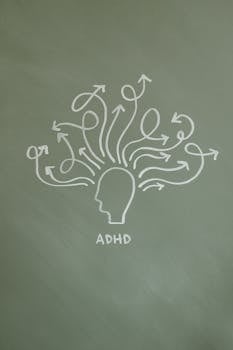
When exploring the world of ADHD, it’s common to encounter medical jargon such as the f90.2 diagnosis code. This code is part of the International Classification of Diseases (ICD-10) and is specifically used to identify ADHD Combined Type. For parents, educators, and individuals diagnosed with ADHD, understanding what this code means and how it relates to their experiences can be pivotal in managing the condition effectively.
Understanding the F90.2 Diagnosis Code
The f90.2 diagnosis code is a classification used by healthcare providers to systematically denote ADHD Combined Type. This type of ADHD is characterized by a mixture of symptoms that include inattention and hyperactivity-impulsivity. Unlike predominantly inattentive or hyperactive-impulsive presentations, individuals with Combined Type exhibit significant challenges in both areas.
Key Characteristics of ADHD Combined Type
ADHD Combined Type is marked by a diverse range of symptoms that impact daily functioning. Individuals may struggle with maintaining attention, often being easily distracted or forgetful in daily activities. Simultaneously, they might find it difficult to remain seated, waiting patiently, or they may act impulsively without considering the consequences.
Notably, effective management involves a comprehensive approach that may include behavioral strategies, lifestyle adjustments, and potentially medication under professional guidance. For a detailed exploration of innovative therapies, consider recent advances in therapy strategies.
Impact of ADHD on Daily Life
Living with ADHD Combined Type can present unique challenges. It affects academic performance, work life, and social interactions. Children might find it difficult to follow instructions or complete schoolwork, resulting in academic underachievement. Adults, on the other hand, may experience difficulties at work or maintaining social relationships due to impulsivity or inattentiveness.
While these challenges are significant, a proper understanding of the diagnosis and appropriate interventions can greatly improve quality of life.
Treatment and Management Strategies
Management of ADHD Combined Type often involves a tailored plan that includes behavioral therapy, lifestyle changes, and sometimes medication. Behavioral therapies focus on developing coping mechanisms and modifying disruptive behaviors. Lifestyle changes, such as improved organization skills and time management, are also crucial.
Additionally, medications may be prescribed to manage symptoms more effectively under close supervision by a healthcare provider. Understanding medication effects and potential risks is essential, and further reading can be accessed through credible resources like Wikipedia’s detailed article on ADHD.
The Role of ICD-10 in ADHD Diagnosis
The ICD-10 is a standardized tool used worldwide for diagnosing and monitoring health conditions, including ADHD. The adhd combined type icd 10 code, f90.2, provides a framework for ensuring consistency and accuracy in diagnosis across different healthcare settings.
By using this code, healthcare providers can ensure comprehensive care and follow-up for individuals diagnosed with ADHD. Additionally, it aids in research and data collection, promoting a broader understanding of the disorder.
Final Thoughts on Navigating ADHD with the F90.2 Diagnosis Code
Understanding the f90.2 diagnosis code and its implications for ADHD Combined Type is an essential step in managing this multifaceted condition. With effective strategies, individuals can lead successful, fulfilling lives despite the challenges ADHD presents.
- The f90.2 diagnosis code is used to identify ADHD Combined Type, indicating mixed symptoms of inattention and hyperactivity.
- ADHD Combined Type impacts various aspects of life but can be managed with a comprehensive approach.
- Behavioral strategies and lifestyle changes are key components of management, sometimes supplemented with medication.
- The ICD-10 helps standardize diagnosis, ensuring consistency and supporting research efforts.
- Understand and utilize resources available, like professional guidance and educational links, for effective management.
What is the f90.2 diagnosis code?
The f90.2 diagnosis code is used within the ICD-10 system to classify ADHD Combined Type, which includes symptoms of both inattention and hyperactivity-impulsivity.
How does ADHD Combined Type differ from other types?
ADHD Combined Type features a mix of inattention and hyperactivity symptoms, whereas other types may predominantly present with either inattention or hyperactivity-impulsivity but not both.
Can ADHD Combined Type be managed without medication?
Yes, ADHD Combined Type can often be managed successfully with behavioral therapy and lifestyle changes. However, medication may be recommended in some cases to optimize symptom control.
Why is the ICD-10 important for ADHD diagnosis?
The ICD-10 is crucial for standardizing ADHD diagnoses, ensuring accurate identification and treatment of the condition across different healthcare settings.
Where can I find more information about ADHD management?
Consider consulting with healthcare professionals and exploring reliable online resources, such as the article on ADHD on Wikipedia for more comprehensive information.
Other Articles You May Find of Interest...
- Why Your Mental Wellness Routine Should Integrate Exercise
- How to Protect Your Mental Health After Losing a Pet
- The Hidden Link Between Blood Sugar and Anxiety: What Continuous Glucose Monitors Reveal
- Why a Gradual, Clinician-Guided Approach to Methylfolate May Matter
- Breaking the Stigma Around Mental Health and Seeking Professional Support
- Complex PTSD vs. PTSD: The Differences That Can Change Your Treatment
- When Talk Therapy Isn’t Enough: Understanding More Intensive Treatment for OCD





