






Your Health Magazine
4201 Northview Drive
Suite #102
Bowie, MD 20716
301-805-6805
More Complementary & Integrative Healthcare Articles
Medical Marijuana for Chronic Pain: A Guide to Transitioning from Traditional Meds
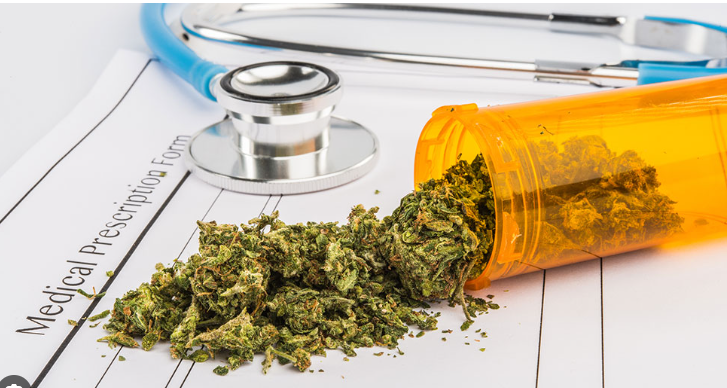
Chronic pain may be like an unwanted visitor that will not go away. Millions of individuals across the globe base their daily lives on the task of dealing with chronic pain resulting in such conditions as arthritis, fibromyalgia, back injury, migraine, and neuropathy. The conventional forms of drugs, including opioids, NSAIDs, and antidepressants, have been the conventional therapy for decades. Nevertheless, the issues of side effects, addiction, and chronic health complications have made many patients seek alternative ways to solve the problem.
Medical marijuana as a chronic pain treatment has become one of the most popular ones. With the increasing literature and legalization, patients are finding that cannabis has a more natural and personalized way of treating pain. When it comes to the idea of switching from traditional medications to the use of medical marijuana, this is a detailed guide that will introduce you to all the information that you need to adopt.
Understanding Chronic Pain and Its Impact
Chronic pain is often referred to as lasting pain that continues to affect for more than 12 weeks even after the original injury or the condition has healed. Chronic pain may become a state in its own right, rather than acute pain, which serves as a warning signal.
Common causes include:
Arthritis
Fibromyalgia
Spinal injuries
Cancer-related pain
It is not only the physical discomfort. The impact of chronic pain is typically sleep disorders, anxiety, depression, and low quality of life. Conventional medications are beneficial, although they are not risk-free.
Limitations of Traditional Pain Medications
Before the switch to medical marijuana, one should realize why a significant number of patients are trying to find an alternative.
1. Opioids
Oxycodone and morphine are two strong painkillers in the opioids. Nonetheless, they pose a high threat of dependence, tolerance, and overdose. It may also cause long-term use that brings about hormonal imbalance and sensitivity to pain.
2. Antidepressants & Anticonvulsants
These are drugs that are, at times, used to treat nerve pain. Although beneficial to some, they can lead to weight gain, dizziness, fatigue, and mood change.
The safer alternatives are being sought as patients are becoming more worried about such side effects.
Benefits of Medical Marijuana Over Traditional Medications
1. Reduced Dependency Risk
Even though cannabis may be habit-forming to some individuals, it has a low dependency potential compared to opioids.
2. Customizable Treatment Options
Oils, tinctures, edibles, topicals, and inhalation of the drug are the options that patients can select.
Is Medical Marijuana Good for You?
Not all are perfect candidates for cannabis therapy. You may consider it if:
1. Conventional drugs do not work.
2. Side effects are unbearable
3. You would like to decrease the use of opioids.
Steps to Transition from Traditional Medications
The shift will demand organization and oversight by a physician:
1. Speak With Your Doctor
Discuss your goals openly. Your physician can say whether cannabis may be helpful and advise changes in the dosage of medications that you already have.
2. Obtain Medical Authorization
A Medicare card or prescription will be required in states where medical marijuana is legal.
3. Monitor Side Effects
Ordinary mild adverse effects would be in the form of dry mouth, dizziness, and hunger. Write down a journal to monitor progress.
Choosing the Right Cannabis Products
There are various types of cannabis with differences in the effects and the time of onset.
Oils and Tinctures
Easy to dose
Longer-lasting relief
Excellent when used with chronic pain.
Edibles
Longer onset time
Extended relief
Good for nighttime use
Topicals
Target localized pain
No psychoactive effects
Inhalation Methods
Fast-acting relief
Applicable to breakthrough pain.
Some patients tend to use inhalation techniques and investigate the high-quality accessories that allow them to have a smoother experience. In the case of businesses and retailers, having access to dependable supply includes Glass smoking tip wholesale products of reputable manufacturers, such as The Cones Factory, which would guarantee the safety and quality of the consumer who would be offered premium products.
Understanding THC vs CBD for Pain Relief
Whether they should become either THC users, CBD users, or a combination is one of the largest questions that patients have.
THC-Dominant Products
Stronger pain relief
May cause euphoria
Helpful for severe pain
CBD-Dominant Products
Very weak psychoactive effects.
Excellent for inflammation
Suitable for daytime use
Balanced THC/CBD
Frequently offers complimentary relief.
Decreased psychoactive severity.
Potential Side Effects and How to Manage Them
Even though medical marijuana is safe, its side effects may include:
Dry mouth
Dizziness
Increased heart rate
To minimize risks:
Drive only after you know the impact of cannabis on you.
Use consistent dosing
Cannabis might not be recommended in case of any history of psychosis or some heart-related conditions.
Legal Considerations and Workplace Policies
Before transitioning, ensure:
Meditative medical marijuana laws of the state or nation.
Employer drug policies
Travel restrictions
Although cannabis can be a medically legal drug, the workplace drug testing policy can still be implemented.
Conclusion
Replacing conventional drugs with medical marijuana as a method of chronic pain management is a highly personal step that must be thought over and controlled by a doctor. Although opioids and NSAIDs are conventional treatment options, their side effects and risks have prompted a significant number of patients to seek safer options.
Medical marijuana provides a more personalized and possibly safer option that can deal with pain, inflammation, sleeping problems, and mood issues at the same time. With a gradual approach, use of medical care, and incorporation of healthy living habits, thousands of people can find their meaningful relief and take their lives back.
Assuming you might want to go in this direction, learn all you can, talk freely with your doctor, and take the transition gently. It could turn out to be a strong ally in your chronic pain management process; with the right strategy, medical marijuana could be.
Other Articles You May Find of Interest...
- Why Cold Plunging Is Gaining Ground And Why Your Setup Matters More Than You Think
- What to Look For in a Clinically Supported Wellness Retreat
- The Athlete’s Edge: Why Cold Therapy Tubs are Essential for Recovery
- Unlocking the Health Benefits of Himalayan Salt: Nature’s Mineral Marvel?
- Exploring the Benefits and Uses of B52 Medicine
- Is Coconut Oil Classified as a Seed Oil? Discover the Truth
- How iHerb Discounts Work in 2026: Conditions, Patterns, and Common Limitations



