More Gastroenterology Articles
Exploring the Benefits and Challenges of Billroth 2 Surgery
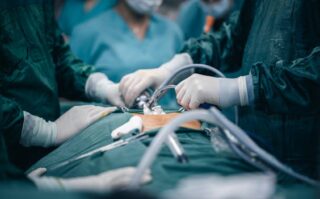
Billroth 2 surgery, a historically significant gastrointestinal procedure, has been utilized in cases requiring the removal of portions of the stomach. For those researching or considering this operation, understanding its benefits and challenges is crucial. This article will explore the procedure in detail, including its purpose, potential outcomes, and recovery expectations. If you’ve been advised to consider Billroth 2, or if you’re delving into surgical options, this guide will provide a comprehensive overview to assist in your decision-making process.
Understanding Billroth 2 Surgery
Billroth 2, also known as gastrojejunostomy, is a type of gastric surgery where part of the lower stomach is surgically removed and the remaining stomach is connected directly to the jejunum (part of the small intestine). This procedure is often performed to treat ulcers, gastric cancer, and other severe stomach issues. It’s crucial to weigh the benefits against the potential challenges and to understand how it may affect digestive functions.
The Benefits of Billroth 2 Surgery
The primary benefit of Billroth 2 is its effectiveness in treating severe stomach diseases, such as gastric cancer or intractable ulcers, where less invasive treatments have failed. By removing the diseased or damaged part of the stomach, the surgery can alleviate symptoms significantly. Many patients experience a marked improvement in their quality of life, with reductions in pain and digestive issues.
Additionally, this procedure may help prevent complications related to severe gastric diseases, such as perforations or bleeding. For patients with stomach cancer, it offers a chance to extend survival and improve life quality when other treatments are not viable.
Challenges and Risks Associated with Billroth 2
Like any major surgery, Billroth 2 comes with its set of challenges and potential risks. Patients may experience complications such as infections, bleeding, or issues related to anesthesia. Long-term challenges can include nutritional deficiencies, as the body’s ability to absorb certain nutrients might be impaired.
Another potential complication is the development of dumping syndrome, a condition where food moves too quickly through the stomach and intestines, leading to gastrointestinal discomfort and symptoms like nausea, vomiting, and diarrhea. Managing these complications usually involves a combination of dietary adjustments and medications.
Recovery Process After Billroth 2 Surgery
Recovering from Billroth 2 surgery requires time and adherence to specific guidelines to ensure proper healing and adjustment to changes in digestion. Patients typically start with a liquid diet before gradually introducing soft foods. Close monitoring by healthcare providers is essential to manage any side effects or complications that may arise.
Regular follow-up appointments are necessary to monitor nutritional status and address any digestive issues. A diet rich in vitamins and minerals, possibly supplemented by medications, may be recommended to counteract potential deficiencies.
Emotional and Psychological Considerations
Undergoing a major surgery like Billroth 2 can be emotionally taxing. Patients may experience feelings of anxiety or depression regarding their health and lifestyle changes post-surgery. Support from family, friends, and counselors can be beneficial in aiding emotional recovery.
Connecting with others who have undergone similar procedures can also provide comfort and understanding. Sharing experiences and advice can foster a supportive community, helping individuals adapt more easily to life after surgery.
Final Thoughts on Billroth 2
Billroth 2 surgery offers significant benefits for patients with severe gastric issues but comes with inherent challenges. Those considering this procedure should thoroughly discuss the potential risks and benefits with their healthcare provider to make an informed decision. Close monitoring and support throughout the recovery process are vital for successful outcomes. Those interested in understanding more about related digestive health conditions may find resources such as understanding the signs of hemochromatosis also useful.
- Billroth 2 is a surgery to remove a portion of the stomach and attach the small intestine directly to the remaining stomach.
- It primarily treats severe gastric issues, including cancer and intractable ulcers.
- Key benefits include symptom relief and improved life quality.
- Risks involve potential complications like dumping syndrome and nutritional deficiencies.
- Postoperative care and emotional support are crucial for recovery.
What is the primary purpose of Billroth 2 surgery?
Billroth 2 surgery is primarily performed to treat severe gastric diseases such as stomach cancer and intractable ulcers by removing diseased parts of the stomach.
How does Billroth 2 differ from other gastric surgeries?
Unlike other gastric surgeries which might involve removing different parts of the stomach, Billroth 2 specifically involves resection of the lower stomach and reconnection to the small intestine.
What dietary changes are needed post-surgery?
Patients typically start with a liquid diet followed by soft foods. Over time, a balanced diet rich in nutrients is important, often supplemented with vitamins and minerals.
Are there long-term lifestyle changes after Billroth 2?
Yes, maintaining a well-balanced diet is crucial, and regular follow-up appointments to monitor health are necessary. Emotional support and counseling might also be beneficial.
Where can I find more reliable information?
For more reliable information about Billroth 2 and related health topics, consult resources such as Wikipedia’s entry on Billroth II operation or discuss with a healthcare provider.
Other Articles You May Find of Interest...
- Why You Get Stomach Bloating and Gas After Eating Meat
- Why Does Chick-fil-A Make My Stomach Hurt?
- Dr. Omar Marar on the Evolution of Modern Colorectal Surgery
- Pain Where Your Appendix Was Removed Years Ago: Possible Causes
- Why Multi-Strain Probiotics May Offer Broader Digestive Support
- What a Healthy Colon Looks Like During Colonoscopy
- A Better Digestive Rhythm: Everyday Habits for Preventing Occasional Constipation