More Chiropractic Care Articles
Navigating Spondylosis Spondylolysis: Key Insights for Better Spine Health
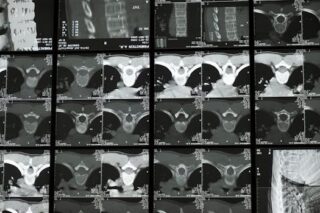
Spondylosis spondylolysis are two spinal conditions that often confuse those who are trying to understand their neck and back pain. These conditions affect the spine in unique ways, leading to discomfort and mobility challenges. Understanding their differences and how they impact your spine health is crucial to managing symptoms and maintaining quality of life. In this article, we delve into the specifics of spondylosis and spondylolysis, explore their causes, symptoms, and potential treatment options.
Understanding Spondylosis and Spondylolysis
Spondylosis, commonly referred to as spinal osteoarthritis, is a degenerative condition affecting the spine. It involves the wear and tear of the spine’s intervertebral discs and joints, which can lead to pain and stiffness. On the other hand, spondylolysis is a defect or fracture of the vertebra in the lower spine, often causing instability and discomfort.
Causes of Spondylosis and Spondylolysis
The primary cause of spondylosis is the natural aging process. As we age, the body’s ability to repair spinal tissues slows down, leading to degeneration. Meanwhile, spondylolysis is often caused by repetitive stress or trauma to the spine, commonly seen in athletes. Genetic factors can also predispose individuals to develop these conditions.
Risk Factors
Several factors can increase the risk of developing spondylosis and spondylolysis. These include genetics, repetitive spine strain, obesity, and a sedentary lifestyle. Athletes, particularly those participating in sports involving repetitive bending and twisting, are at a higher risk for spondylolysis. More information about how lifestyle choices affect spinal health can be found in our article on how lifestyle choices impact our overall health.
Symptoms of Spondylosis and Spondylolysis
Spondylosis symptoms often include neck and back pain, stiffness, tingling or numbness in the limbs, and sometimes headaches. Spondylolysis may present with lower back pain, particularly when engaging in physical activities. Both conditions can significantly affect daily activities, making early detection and management important.
Diagnosing Spinal Conditions
Diagnosis typically involves physical examinations and imaging tests such as X-rays or MRIs. These tests help in identifying the extent of degeneration in spondylosis or the presence of fractures in spondylolysis. Accurate diagnosis is essential for effective treatment planning.
Treatment Options
Managing these conditions often requires a combination of lifestyle modifications, physical therapy, medications, and in some cases, surgery. Emphasizing a healthy lifestyle, including exercise and maintaining a healthy weight, is crucial for spine health and can aid in alleviating symptoms.
Non-Surgical Interventions
Physical therapy and exercises focusing on strengthening the core can help alleviate symptoms and improve mobility. Pain management may involve non-steroidal anti-inflammatory drugs (NSAIDs) or corticosteroid injections for more severe pain. It’s important to follow a personalized program guided by healthcare professionals.
Surgical Options
For severe cases where conservative treatments fail, surgical options might be considered. Procedures may involve the removal of bone spurs, decompression of nerve roots, or spinal fusion to stabilize the spine. Surgery is usually a last resort and discussed thoroughly with a spine specialist.
Prevention and Lifestyle Measures
While not all cases can be prevented, certain lifestyle changes may reduce the risk of developing spondylosis and spondylolysis. Regular exercise, maintaining a healthy posture, and ergonomic adjustments at work can support spinal health. For athletes, avoiding excessive repetitive movements can help protect the spine.
Understanding these conditions is key to managing them effectively. If you suspect you have symptoms of spondylosis spondylolysis, it’s important to consult a healthcare provider. With proper management, individuals can often lead active and fulfilling lives.
- Spondylosis and spondylolysis are distinct conditions affecting the spine.
- Age-related degeneration is a primary cause of spondylosis.
- Spondylolysis often results from repetitive spinal stress or injury.
- Early diagnosis and a combination of treatments can manage symptoms effectively.
- Lifestyle changes are essential for prevention and symptom management.
What is the main difference between spondylosis and spondylolysis?
Spondylosis involves degeneration of the spinal discs and joints, while spondylolysis is a defect or fracture in a vertebra, usually in the lower spine, leading to instability.
How are these conditions diagnosed?
Diagnosis typically involves a combination of physical examinations and imaging tests like X-rays or MRIs to assess the spine’s condition and identify any defects or degeneration.
Can lifestyle changes really impact these spinal conditions?
Yes, maintaining a healthy lifestyle, regular exercise, and proper posture can significantly impact the severity and progression of these conditions, aiding in symptom relief and prevention.
Is surgery always required for these conditions?
Surgery is not always necessary and is typically considered after exploring non-surgical treatments. It depends on the severity of the symptoms and how well they respond to other treatments.
Where can I find more information about spine health?
For additional information on spine health and related conditions, you can visit this informative page.
Other Articles You May Find of Interest...
- Can a Chiropractor Help With Sciatica?
- Beyond the Adjustment: What a Comprehensive Approach to Chiropractic Care Looks Like
- How Long Does a Chiropractic Adjustment Last?
- Are Your Headaches Becoming Too Common? When It’s Time to Get Them Checked
- What Should You Know About Chiropractic Care Before Starting Treatment
- Spinal Decompression Therapy in Oklahoma: What to Know
- Who Can Get Spinal Decompression Therapy in Oklahoma?