






More Mental Health Articles
Law Enforcement Mental Health and Peer Support for Dispatchers: Strengthening Public Safety from Within
In the middle of the night, when an emergency call comes in, both officers in the field and dispatchers behind the console respond within seconds. While the public sees flashing lights and active scenes, they rarely see the emotional toll behind those moments. Law enforcement mental health has become an increasingly urgent topic, especially as agencies face rising stress, trauma exposure, and burnout. At the same time, the need for peer support for dispatchers has never been more critical.
Public safety professionals routinely encounter crisis situations that most people will never experience in their lifetime. Without proper mental health support systems in place, the long-term impact can affect not only individuals but entire departments and communities.
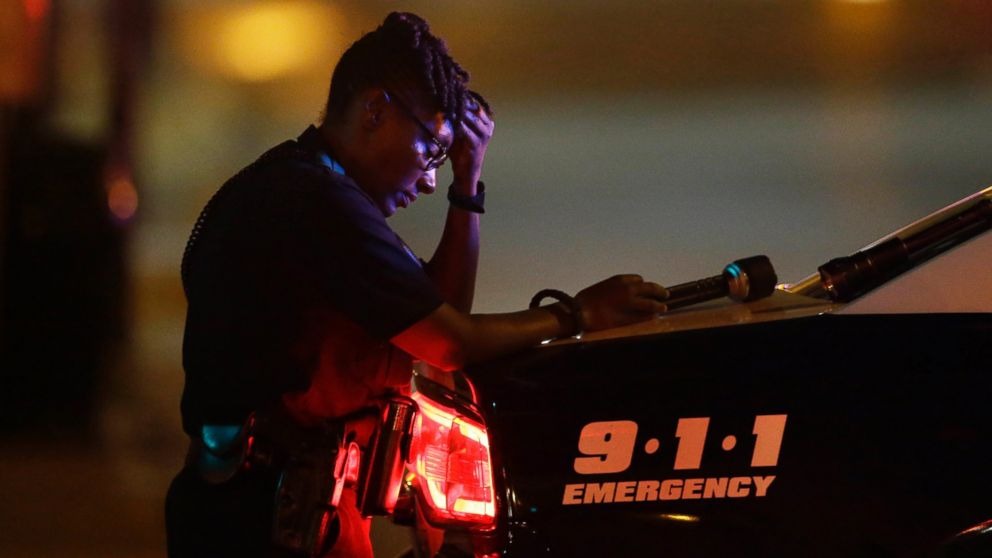
The Growing Importance of Law Enforcement Mental Health
Over the past decade, conversations around law enforcement mental health have shifted from silence to awareness. Officers face repeated exposure to violence, tragedy, and high-pressure decision-making. These experiences can accumulate over time, contributing to:
- Post-traumatic stress symptoms
- Anxiety and depression
- Emotional numbness
- Burnout and fatigue
- Strained family relationships
The culture within law enforcement has historically emphasized resilience and strength. While resilience remains vital, suppressing emotional responses can lead to deeper mental health challenges. Addressing law enforcement mental health is not about weakening the profession, it is about sustaining it.
Departments that prioritize mental wellness often see improved morale, better performance under stress, and reduced absenteeism. Mental health is not separate from operational readiness; it directly supports it.
Dispatchers: The Hidden First Responders
When discussing law enforcement mental health, dispatchers are often overlooked. Yet dispatchers are the true first point of contact in emergencies. They hear panic in callers’ voices. They manage life-or-death information. They coordinate responses while maintaining calm under immense pressure.
Unlike officers, dispatchers do not physically leave the scene after a traumatic call. Instead, they may take another emergency call within seconds. This constant exposure to crisis creates what is known as secondary or vicarious trauma.
Common stressors for dispatchers include:
- Continuous exposure to distressing calls
- Lack of closure after incidents
- Long shifts and irregular hours
- Emotional isolation
- High cognitive demands
These factors make peer support for dispatchers especially important. Without structured support, dispatchers may internalize stress, increasing the risk of burnout and mental exhaustion.
Why Peer Support for Dispatchers Matters
A strong peer support for dispatchers program provides a structured, confidential system where individuals can speak openly with colleagues who understand the unique pressures of the role.
Peer support works because:
- Shared Understanding – Fellow dispatchers understand the emotional weight of crisis calls without lengthy explanations.
- Reduced Stigma – Talking to peers often feels safer than approaching supervisors or formal counseling channels.
- Early Intervention – Emotional stress can be identified before it escalates.
- Team Cohesion – Open dialogue builds trust across teams.
When integrated into broader law enforcement mental health initiatives, peer programs can become a cornerstone of department wellness strategies.
Importantly, peer support for dispatchers is not meant to replace professional mental health services. Instead, it acts as an accessible first layer of support, encouraging individuals to seek additional care when needed.
The Impact of Unaddressed Mental Health Challenges
Ignoring law enforcement mental health concerns can lead to serious consequences. Agencies may experience:
- Increased sick leave
- Higher turnover rates
- Recruitment challenges
- Reduced focus and performance
- Greater risk of mistakes
For dispatch centers, the absence of peer support for dispatchers can contribute to emotional withdrawal, communication breakdowns, and a decline in morale.
Mental health challenges also extend beyond the workplace. Officers and dispatchers often carry stress home, affecting families and long-term well-being. Addressing mental health proactively creates ripple effects that strengthen both professional and personal stability.
Building a Strong Mental Health Culture in Public Safety
Improving law enforcement mental health requires a cultural shift as much as structural support. Departments can begin by:
- Normalizing conversations about stress and trauma
- Providing mental health education and awareness training
- Encouraging leadership to model vulnerability
- Offering confidential support resources
- Creating structured peer programs
When agencies implement peer support for dispatchers, the program should include:
- Clear confidentiality policies
- Proper peer training
- Ongoing evaluation and improvement
- Access to licensed mental health professionals when needed
A supportive culture ensures that mental health conversations are ongoing, not limited to crisis moments.
Recognizing Early Warning Signs
Whether in officers or dispatchers, early signs of mental strain should never be ignored. Common indicators include:
- Increased irritability
- Difficulty sleeping
- Withdrawal from colleagues
- Loss of motivation
- Emotional detachment
Strong peer support for dispatchers programs can help identify these signs early. Similarly, ongoing attention to law enforcement mental health ensures that individuals do not feel isolated in their struggles.
Moving from Awareness to Action
Awareness around law enforcement mental health has grown significantly, but awareness alone is not enough. Sustainable change requires consistent effort, leadership commitment, and peer engagement.
Likewise, investing in peer support for dispatchers demonstrates recognition that despatch professionals face unique and legitimate stressors. Supporting them strengthens the entire emergency response system.
Mental wellness in public safety is not a trend, it is a necessity. Departments that prioritize mental health create environments where officers and dispatchers can perform at their best while protecting their own well-being.
Conclusion
The conversation around law enforcement mental health must continue to evolve. Officers and dispatchers operate in environments that demand emotional resilience, quick decision-making, and constant composure. Without proper support systems, the long-term effects can be profound.
Implementing structured peer support for dispatchers is one meaningful step towards creating a healthier, more sustainable public safety workforce. Organisations such as MyOmnia, which focus on holistic well-being and structured support solutions, reflect the growing recognition that mental health must be integrated into the foundation of public safety operations.
When agencies treat mental health as a strength rather than a weakness, they protect not only their personnel but also the communities they serve. By strengthening mental health support from within, public safety organizations build resilience that extends far beyond the call.
Other Articles You May Find of Interest...
- Why Your Mental Wellness Routine Should Integrate Exercise
- How to Protect Your Mental Health After Losing a Pet
- The Hidden Link Between Blood Sugar and Anxiety: What Continuous Glucose Monitors Reveal
- Why a Gradual, Clinician-Guided Approach to Methylfolate May Matter
- Breaking the Stigma Around Mental Health and Seeking Professional Support
- Complex PTSD vs. PTSD: The Differences That Can Change Your Treatment
- When Talk Therapy Isn’t Enough: Understanding More Intensive Treatment for OCD





