More Complementary & Integrative Healthcare Articles
Beyond Hydration: A Comprehensive Physician’s Guide to the Functional Benefits of Authentic Chinese Teas
Introduction
While tea is the second most consumed beverage globally, the vast spectrum of Authentic Chinese Teas—ranging from the minimally processed White tea to the microbially fermented Pu-erh—offers far more than simple hydration. In the realm of functional medicine, these teas are increasingly recognized not just as beverages, but as complex botanical delivery systems. Each variety possesses a unique “chemical fingerprint” shaped by terroir, harvest timing, and processing craft. By understanding these profiles, we can strategically use tea to support metabolic, cardiovascular, and cognitive health.
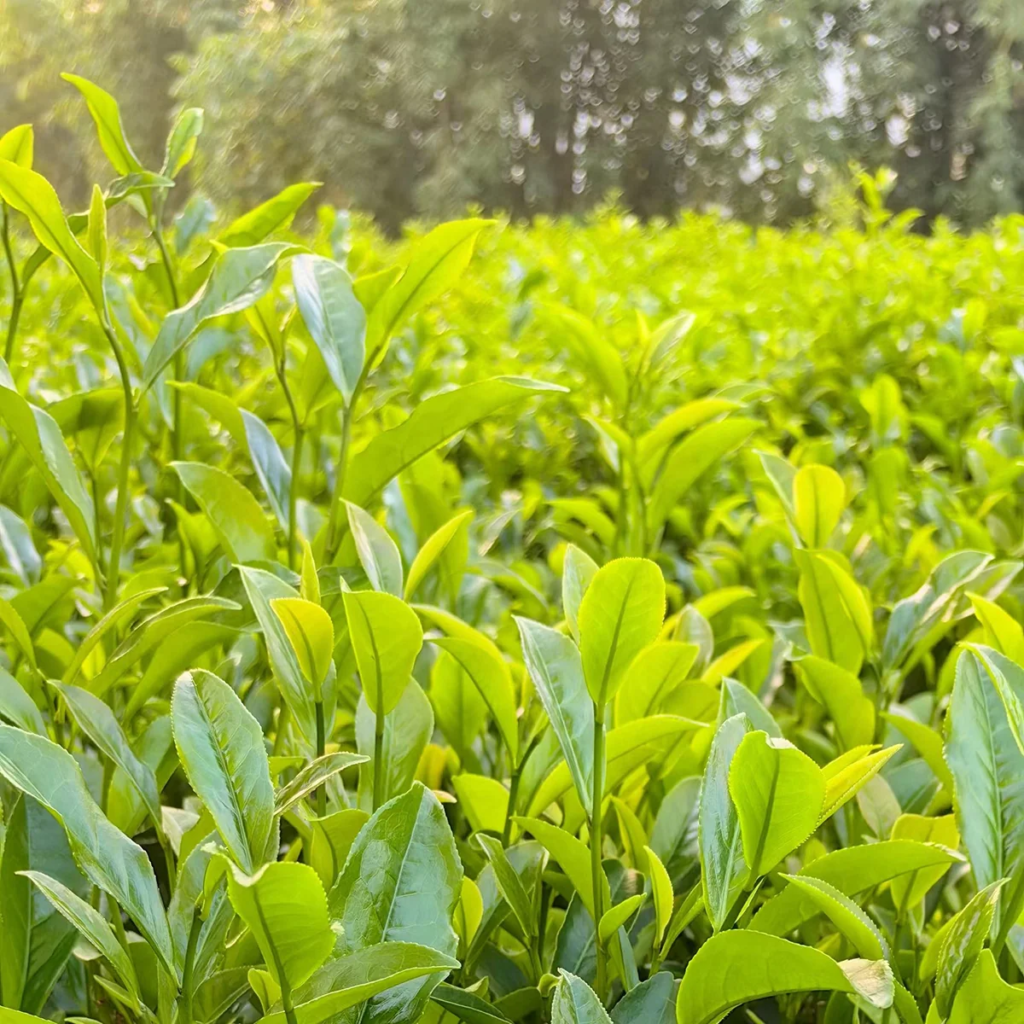
1. White Tea: The Cellular Shield and Skin Guardian
White tea, particularly varieties like Bai Hao Yin Zhen (Silver Needle), is the “rawest” form of tea. It is harvested before the tea leaves fully open, while the buds are still covered in fine white hair.
- The Science of Minimal Processing: Unlike other teas, White tea is only withered and sun-dried. This lack of high-heat processing preserves the highest levels of Flavonoids and Soluble Polysaccharides.
- Dermatological Benefits: Clinical research has highlighted White tea’s ability to inhibit elastase and collagenase—the two primary enzymes responsible for breaking down the structural fibers in our skin.
- Physician’s Note: For patients focused on anti-aging and inflammatory skin conditions, White tea serves as a potent “internal cosmetic.” Its high concentration of antioxidants helps neutralize free radicals caused by UV exposure and environmental pollutants.
2. Green Tea: The Metabolic Catalyst and Thermogenic Powerhouse
Chinese Green teas, such as Longjing (Dragon Well), are pan-fired shortly after picking to halt oxidation. This “fixing” process locks in a massive concentration of EGCG (Epigallocatechin gallate).
- The Thermogenic Mechanism: EGCG is a well-documented bioactive that inhibits catechol-O-methyltransferase (COMT), an enzyme that breaks down norepinephrine. By keeping norepinephrine levels elevated, green tea supports a higher rate of fat oxidation.
- Metabolic Data: A meta-analysis in the American Journal of Clinical Nutrition demonstrates that the synergistic effect of green tea extract and caffeine can increase 24-hour energy expenditure by approximately 4%.
- Physician’s Note: Beyond weight management, the high L-theanine content in premium Chinese Green tea acts as a neuroprotective agent. It crosses the blood-brain barrier to increase alpha brain wave activity, providing “calm alertness” that boosts productivity without the “caffeine crash” typical of coffee.
3. Oolong Tea: The Enzyme-Activator and Glycemic Regulator
Oolong is a semi-oxidized tea, representing a masterpiece of tea processing. Sitting between Green and Black tea, it offers the benefits of both.
- The Polymerization Process: During the partial oxidation of Oolong, simple catechins combine to form Oolong Tea Polymerized Polyphenols (OTPPs). These complex structures are unique to Oolong.
- Cardiometabolic Health: Studies indicate that OTPPs are particularly effective at blocking the absorption of dietary fats in the small intestine. Furthermore, regular consumption has been shown to improve insulin sensitivity, making it a valuable tool for managing stable blood sugar levels.
- Physician’s Note: Oolong is often referred to as the “digestive tea.” I recommend it as a post-meal ritual for patients struggling with metabolic syndrome or post-prandial (after-meal) lethargy.
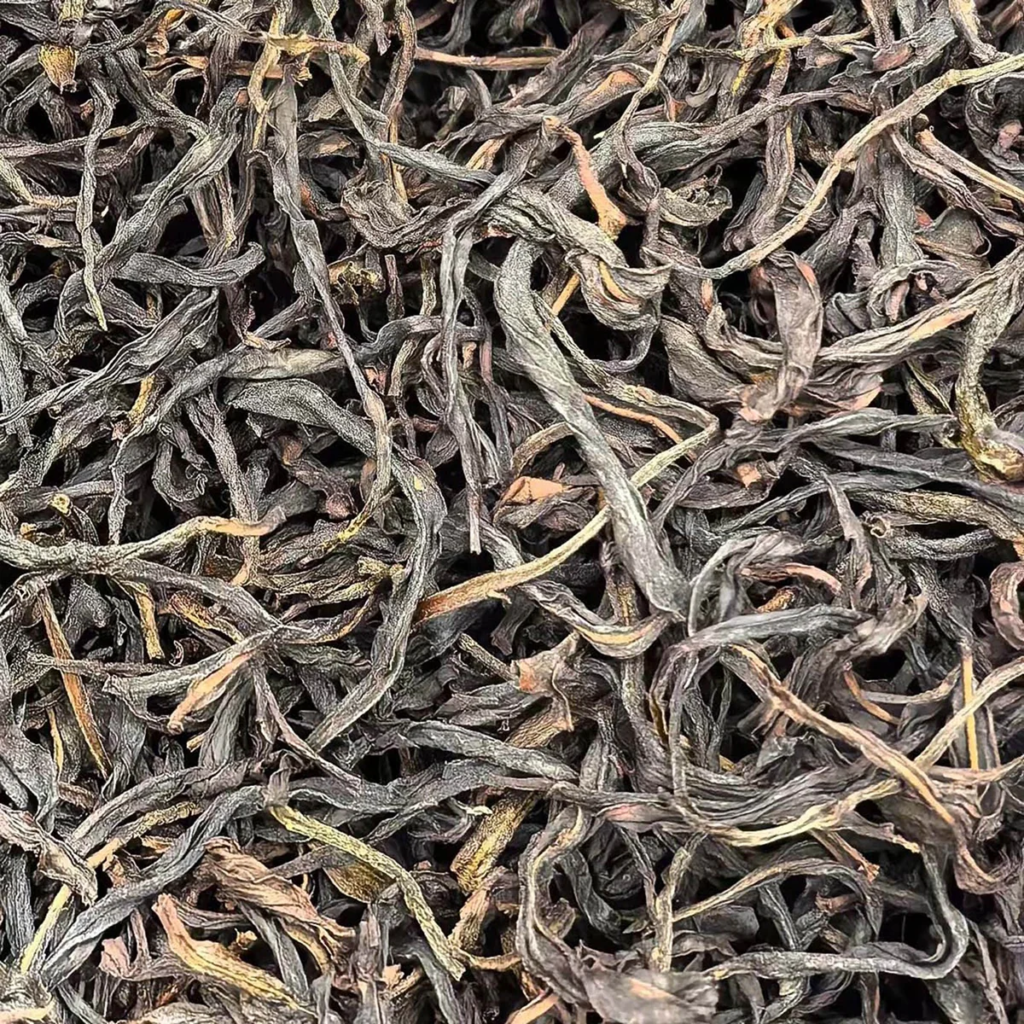
4. Pu-erh and Black Tea: The Probiotic and Lipid Modulators
Fermented teas, especially Pu-erh from Yunnan, represent the pinnacle of tea evolution through microbial activity.
- The Post-Fermentation Science: Pu-erh undergoes a unique fermentation process involving microbes like Aspergillus niger. This transforms catechins into Theabrownins and produces small amounts of naturally occurring statin-like compounds.
- The Gut-Microbiome Connection: Pu-erh acts as a powerful prebiotic. Research in Nature Communications showed that Pu-erh alters the gut microbiome by increasing the abundance of Akkermansia muciniphila, a bacterium that plays a critical role in maintaining the gut barrier and reducing systemic inflammation.
- Physician’s Note: Clinically, Pu-erh is a “heavy hitter” for lipid management. It has been shown to reduce LDL cholesterol by 10-13% in hyperlipidemic subjects, offering a natural adjunct to traditional cardiovascular therapies.
5. Beyond the Bag: The Importance of Tea Quality
To achieve these therapeutic effects, the form of the tea is paramount.
- Whole Leaf vs. Dust: Most commercial tea bags contain “fannings” or “dust”—the lowest grade of tea particles. These have a high surface area that causes rapid oxidation, leading to a loss of volatile oils and bio-active compounds.
- The “Terroir” Factor: Authentic Chinese teas are often grown in high-altitude, mineral-rich soils (like the Wuyi Mountains). This stress forces the plant to produce more secondary metabolites (antioxidants) as a defense mechanism, which we then consume for our health.
6. The Art of Brewing for Bio-availability
The method of preparation significantly impacts the extraction of healthy compounds:
- Temperature Control: Green and White teas should be brewed at lower temperatures (75-80°C / 165-175°F) to avoid destroying delicate EGCG.
- Rinsing: For Pu-erh and Oolong, a quick 5-second “rinse” with hot water helps “awaken” the leaves and removes any surface impurities, ensuring the subsequent steeps are clean and potent.
Summary Table: The Tea Synergy Matrix
| Health Objective | Primary Recommendation | Key Bio-active Component |
| Dermatological Health & Anti-Aging | White Tea | Flavonoids & Polysaccharides |
| Metabolic Boost & Focus | Green Tea | EGCG & L-Theanine |
| Blood Sugar & Digestion | Oolong Tea | OTPPs (Polymerized Polyphenols) |
| Lipid Control & Gut Health | Pu-erh Tea | Theabrownins & Prebiotics |
Conclusion
The diversity of the Chinese tea garden allows for a personalized, holistic approach to wellness. By moving away from generic, processed tea bags and embracing authentic, whole-leaf varieties, we can leverage specific phytochemical profiles to meet unique health goals. In an era dominated by synthetic supplements, the ancient ritual of brewing a cup of authentic Chinese tea remains one of the most potent, evidence-based tools in our preventive medicine toolkit.
Other Articles You May Find of Interest...
- How to Support Your Immune System Naturally in Everyday Life
- Chinese Medicine and Western Medicine: Different Questions
- Cellular Healing Solutions
- Acupuncture and Cupping For Cancer Side Effects
- Hot-Cold Contrast Therapy at Home: A Beginner’s Guide
- Natural Tennis Elbow Remedies That Hold Up
- How to Support Your Immune System Naturally in Everyday Life