More Vision & Eye Care Articles
Exploring the Mystery of the Blind Spot in Your Eye
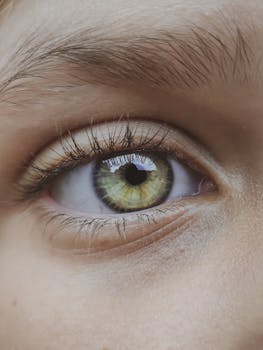
The human eye is a complex organ that allows us to perceive the world around us. However, it also possesses a fascinating feature—known as the blind spot in eye. This is a small region on the retina that lacks light-detecting photoreceptor cells. As such, the blind spot cannot detect images, yet most people remain unaware of this gap in their vision. Understanding the nature and function of this blind spot can illuminate much about how our vision works and how our brain compensates for this lack.
What Causes the Blind Spot in Eye?
The blind spot in the eye occurs where the optic nerve exits the retina. Since there are no photoreceptor cells (rods or cones) in this area, visual information cannot be gathered. Despite this anatomical gap, our brain performs an impressive role in filling in the missing data, drawing from the surrounding visual context and cues. This unconscious process is what makes the blind spot virtually unnoticeable in daily life.
History and Discovery of the Blind Spot
The blind spot was first documented by the French physicist Edme Mariotte in the 17th century. This discovery sparked curiosity and laid foundational knowledge for understanding vision mechanics. Over time, it became clear that while individuals have a blind spot in each eye, their positions are not aligned. This offset ensures that when both eyes are open, the visual information from one eye covers the blind spot of the other, effectively masking any noticeable gaps in sight.
Testing Your Blind Spot
You can easily test your blind spot at home. Close one eye and focus your other eye on a fixed point. If you move an object slowly within your peripheral vision, you will notice a momentary disappearance as it crosses the blind spot. This simple activity demonstrates the fascinating way our visual system is wired.
The Impact of the Blind Spot
In everyday life, the blind spot in eye generally does not impact tasks or activities, thanks to the brain’s ability to compensate for the lack of information. However, understanding its presence is crucial for certain situations, such as when driving, as this knowledge can enhance spatial awareness and safety.
Significance in Medical and Psychological Studies
Research into the blind spot extends beyond visual physiology; it also offers insights into brain function and perception. Studies investigate how the brain processes incomplete information, focusing not only on the eye but also on memory and cognition. Interdisciplinary approaches analyze how the brain can adapt when sections of visual input are consistently missing.
Adaptations and Implications
The presence of a blind spot invites numerous questions about sensory perception and neural processing. Intriguingly, the exact mechanisms by which the brain “fills in” the visual gaps are still active areas of research, offering potential applications in the development of technology and treatments for visual impairments.
To enhance your understanding of cognitive functions related to brain health, you might explore what vitamins are beneficial for cognitive clarity and memory support.
Supporting Brain and Eye Health
Maintaining optimal brain and eye health goes hand in hand with understanding the function of the blind spot in eye. Good nutrition, regular eye examinations, and proactive healthcare practices can support visual acuity and cognitive functions. Doing so helps engage the full potential of one’s sensory experiences and understanding.
For more detailed information about vision and its complexities, explore resources such as this comprehensive overview on health and wellness.
Future Research Directions
Future research into the blind spot will likely focus on advancing our understanding of neural plasticity—the brain’s ability to modify its connections. As science advances, opportunities to leverage this knowledge for innovative treatments of visual and cognitive disorders will grow.
Ultimately, the blind spot in eye serves as an intriguing reminder of the intricacies of human biology. By delving into its mysteries, we uncover more about the delicate balance and outstanding compensatory capabilities of our visual and neural systems.
- The blind spot is a natural gap in the eye’s field of vision where there are no photoreceptors.
- Each eye has a blind spot, but their offsets ensure that both eyes together provide a complete view.
- The brain fills in the blind spot using information from surrounding areas.
- The blind spot is typically unnoticeable during daily activities.
- Understanding the blind spot can enhance knowledge of brain and visual processing.
Frequently Asked Questions
How can I locate my blind spot?
To find your blind spot, close one eye and focus on a single point. Move an object in your peripheral vision until it disappears temporarily. This point is your blind spot.
Does the blind spot affect vision significantly?
In general, the blind spot does not significantly affect daily activities because the brain compensates by using surrounding visual contexts to fill in the missing information.
Can the blind spot be reduced or eliminated?
The anatomical blind spot cannot be altered since it is structurally defined by the exit of the optic nerve. However, understanding it can aid in developing strategies for visual awareness, especially in activities requiring precise visual input.
Why is the blind spot essential to study?
Studying the blind spot helps us understand brain processing and visual perception. It provides insights into how the brain adapts to missing information, enhancing our comprehension of neural functioning.
Can vision training improve how our brain manages the blind spot?
While vision training cannot alter the physical blind spot, it may improve overall visual processing skills and awareness, helping individuals better understand and compensate for sensory limitations.
Other Articles You May Find of Interest...
- Still wearing contacts every day? When it may be worth asking about LASIK
- What a LASIK consultation can tell you about your eyes
- Can You Use Biotrue Contact Solution as Eye Drops?
- Can You Put a Pimple Patch on a Stye?
- Reading Glasses 101: Signs You Need Them and How to Choose the Right Pair
- Contact Lenses vs. Glasses: What Your Cornea Health Should Decide
- 7 Signs Your Child Needs a Pediatric Eye Doctor Right Away