






More Vision & Eye Care Articles
Chalazion or Hordeolum: How to Identify and Treat Eyelid Bumps?
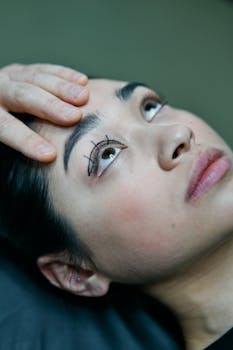
When it comes to eyelid bumps, many people have trouble distinguishing between a chalazion and a hordeolum. Understanding the differences between chalazion vs hordeolum can help in identifying and managing these conditions more effectively.
Chalazion vs Hordeolum: Understanding the Differences
Both chalazion and hordeolum are bumps that can appear on the eyelid, but they stem from different causes and require varied management approaches. A chalazion is a non-infectious blockage of one of the meibomian glands, whereas a hordeolum, commonly known as a stye, is an infected gland.
What is a Chalazion?
A chalazion forms when the oil produced by the meibomian glands in the eyelid becomes blocked. This blockage leads to swelling, which typically results in a firm, round bump. Chalazia often grow slowly and might not cause any pain. However, they can cause vision issues if they are large enough to press against the eyeball.
What is a Hordeolum?
A hordeolum, or stye, is an acute infection of the sebaceous glands at the base of the eyelashes or within the eyelid. This infection is usually caused by Staphylococcus bacteria. Unlike a chalazion, a hordeolum tends to be painful, red, and swollen, resembling a small boil or pimple.
Symptoms and Identification
Both chalazion and hordeolum exhibit similar symptoms, making them easy to confuse. Here are some distinguishing factors:
- Chalazion: Usually painless, may feel firm and moveable under the skin, grows slowly.
- Hordeolum: Painful, red, swollen, typically tender, and develops quickly.
Causes and Risk Factors
The main difference in causes between a chalazion and hordeolum lies in the presence of bacterial infection. While chalazion develops due to gland blockage, the hordeolum arises from bacterial infection. Risk factors for both include poor eyelid hygiene, skin conditions like acne or rosacea, and chronic inflammation of the eyelids.
Treatment Options for Chalazion and Hordeolum
Treatment depends on the type of lesion, but it generally involves at-home remedies and, in some cases, medical intervention.
Home Remedies
For both chalazion and hordeolum, applying a warm compress several times a day can help reduce swelling and promote healing. Keep the eyelid clean and avoid wearing eye makeup during this time. Gentle massage to the affected area may also be beneficial in easing the blockage.
Medical Treatment
If home remedies do not improve the condition, medical treatment might be necessary. A healthcare professional may prescribe antibiotics for a hordeolum or, in severe cases, recommend incision and drainage. For a chalazion, corticosteroid injections may be considered to reduce inflammation.
Remember that self-care and maintaining good eyelid hygiene are important in preventing these conditions. For further guidance on how lifestyle choices impact overall health, consider reading our article on how lifestyle choices impact our overall health.
When to Seek Help
If you experience persistent swelling, a decrease in vision, or signs of spreading infection such as fever or escalating redness, seek medical attention promptly. Early intervention can prevent complications and ensure appropriate treatment.
Conclusion
In summary, understanding the differences between chalazion vs hordeolum can empower you to manage these eyelid bumps effectively. Always prioritize hygiene and seek professional advice when necessary. For more detailed information, a resource like the Wikipedia page on Chalazion might provide useful insights.
- Chalazia and hordeola can look similar but are distinct conditions.
- Chalazia are not infections; hordeola are caused by bacteria.
- Apply warm compresses to both conditions for relief.
- Pain is more associated with hordeola than with chalazia.
- Consult a healthcare provider if symptoms persist or worsen.
Frequently Asked Questions
Can a chalazion turn into a hordeolum?
No, a chalazion and a hordeolum are caused by different underlying issues and cannot transform into each other.
How long does a chalazion or hordeolum last?
A chalazion can last several weeks to months, whereas a hordeolum usually resolves within 1-2 weeks with appropriate care.
Are there ways to prevent these eyelid bumps?
Maintaining good eyelid hygiene, avoiding touching your eyes with unclean hands, and removing eye makeup thoroughly can help prevent these conditions.
Can warm compresses help both conditions?
Yes, warm compresses are beneficial as they help open blocked glands in chalazia and promote drainage in hordeola.
Should I wear contact lenses with a chalazion or hordeolum?
It’s advisable to avoid wearing contact lenses until the condition has improved, as lenses can worsen irritation or hinder healing.
Other Articles You May Find of Interest...
- Still wearing contacts every day? When it may be worth asking about LASIK
- What a LASIK consultation can tell you about your eyes
- Can You Use Biotrue Contact Solution as Eye Drops?
- Can You Put a Pimple Patch on a Stye?
- Reading Glasses 101: Signs You Need Them and How to Choose the Right Pair
- Contact Lenses vs. Glasses: What Your Cornea Health Should Decide
- 7 Signs Your Child Needs a Pediatric Eye Doctor Right Away





