More Pain Management & Rehabilitation Articles
How Long Does It Take to Recover from a Bone Bruise?
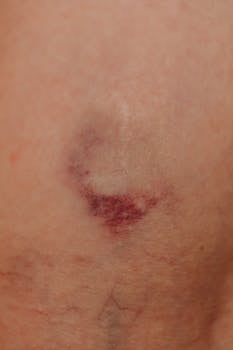
When dealing with a bone bruise, understanding the expected recovery time can help you manage your healing process effectively. Bone bruise recovery time varies based on the severity of the injury, but knowing the general timeframe helps set realistic expectations. While individual recovery may differ, most bone bruises heal within several weeks to several months.
Understanding Bone Bruises
A bone bruise is a type of injury that occurs when small blood vessels and tissues in the bone are damaged, often due to a direct impact or trauma. Unlike a fracture, where the bone is broken, a bruise is less severe but can still cause significant discomfort and swelling. Bone bruises typically occur in areas that have less surrounding muscle to absorb impact, such as the knee and ankle.
What Influences Bone Bruise Recovery Time?
The ultimate bone bruise recovery time depends on various factors:
- Severity of the Bruise: Larger bruises typically require more time to heal than smaller ones.
- Location of the Injury: Bruises in weight-bearing joints like knees and ankles may take longer to recover due to their frequent use.
- Age and Health: Younger and healthier individuals typically recover more quickly.
- Body’s Healing Response: Individual healing capacity can affect recovery time significantly.
Typical Recovery Timeline
For minor bone bruises, healing can occur within a few weeks. Moderate to severe bruising might require up to three months or more of recovery time. Throughout this period, it is crucial to follow your healthcare provider’s advice and allow enough rest for complete recovery.
Managing Symptoms and Promoting Healing
Effective management and appropriate lifestyle adjustments can aid in reducing symptoms and promoting quicker recovery. Here are some tips:
- Rest and Immobilization: Protect the affected area by avoiding weight-bearing activities and using supports if necessary.
- Apply Ice Packs: Ice helps in reducing swelling and alleviating pain. Apply it for 20 minutes at a time several times a day.
- Elevation: Keeping the bruised area elevated can help fluid drainage and reduce swelling.
- Over-the-Counter Pain Relief: Anti-inflammatory medications may help manage pain but should be used under the guidance of a physician.
Optimizing Nutrition for Recovery
While there is no specific diet for healing bone bruises, maintaining a well-balanced diet can support the healing process. Consuming adequate amounts of calcium, vitamin D, and other nutrients supports bone health. You can learn more about maintaining a nutritious diet in our article on nutrition and healthy living.
Signs of Complications
While bone bruises generally heal without complications, there are situations where you may need further medical assessment:
If you experience excessive pain, persistent swelling, or reduced mobility, consult a healthcare provider. They may perform an imaging test, such as an MRI, to rule out more severe injuries like fractures.
Maintaining open communication with your healthcare provider is crucial during recovery to ensure that the healing process is on the right track.
The Importance of Follow-Up Care
Regular follow-up appointments help monitor the healing process and adapt treatment plans if needed. Your healthcare provider might recommend physical therapy to restore full function and strength.
When to Expect Full Recovery
Typically, individuals resume normal activities by the time a bone bruise adequately heals, but for some, complete recovery might extend beyond typical timeframes.
Following correct post-recovery practices, such as warm-up exercises and muscle strengthening, may help prevent future injuries. You can also enhance your recovery by engaging in safe and effective exercise approaches detailed in our informative exercise guide.
Bone bruise recovery time ultimately depends on various factors like severity, location, and personal health. Ensuring appropriate care, lifestyle adjustments, and consulting a healthcare professional facilitate effective recovery.
- Bone bruises range in severity; understanding this helps manage expectations.
- Recovery involves rest, proper care, and possible medical attention.
- Nutritional support may improve healing efficiency.
- Understanding potential complications ensures timely medical intervention.
- Following up with healthcare professionals aids in smooth recovery progress.
How long does a bone bruise last?
A bone bruise can last anywhere from a few weeks to several months, depending on severity and location.
Does the severity of a bone bruise affect recovery time?
Yes, more severe bruises typically require longer recovery, while minor ones heal faster.
Can nutrition influence bone bruise healing?
While no specific foods heal bone bruises, balanced nutrition supports your body’s overall healing process.
Is medical attention always needed for a bone bruise?
Not always. Minor bruises often heal with home care, but consult a healthcare provider for persistent symptoms.
How can I prevent future bone bruises?
Proper warm-up exercises, strength training, and protective gear during activities can help prevent injuries.
Other Articles You May Find of Interest...
- Knee Massager for Muscle Tension Around the Knee What You Need to Know
- What Life Really Looks Like a Year After Spine Surgery
- Gout or Bursitis? Why Joint Swelling Can Look the Same
- Broken Kneecap Recovery: How Long Healing Usually Takes
- The Thumb Grind Test: What Pain During It Can Mean
- Choosing a Trigger Thumb Splint That Actually Supports Healing
- Can Tendons Heal on Their Own? What Recovery Requires