More Vision & Eye Care Articles
Exploring the Causes of Double Vision and How to Address Them
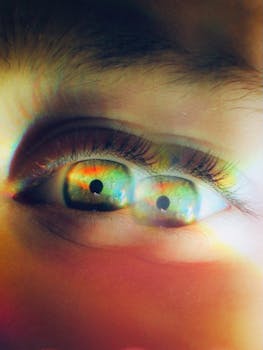
Double vision, also known as diplopia, can be a concerning symptom that leads individuals to seek medical advice. Understanding the vision double causes is crucial in addressing and managing this condition effectively. Double vision occurs when a person perceives two images of a single object simultaneously. This can affect daily activities such as driving, reading, or even walking safely. In this article, we will explore the various causes of double vision and discuss ways to address them.
Common Vision Double Causes
Vision double causes can be grouped into several categories, depending on the origin of the problem. These categories include issues with the eyes themselves, neurological disorders, and other health conditions that affect muscle control or the nervous system.
Eye-related Causes
Eye problems are one of the most prevalent causes of double vision. Some common eye-related causes include:
- Astigmatism: An irregular curvature of the lens or cornea can lead to blurred or double vision.
- Cataracts: Clouding of the lens can cause double vision, particularly in one eye.
- Strabismus: Misalignment of the eyes, often referred to as “crossed eyes,” can cause double vision as each eye focuses on a different point.
Neurological Causes
Double vision can also be the result of neurological issues. Some of these include:
- Multiple Sclerosis: This condition affects the central nervous system, potentially leading to double vision.
- Brain Injuries: Trauma or injuries to the brain can disrupt visual processing, resulting in diplopia.
- Myasthenia Gravis: A neuromuscular disorder that causes muscle weakness, including the muscles controlling eye movement.
Health Conditions Impacting Vision
Several health conditions may contribute to double vision. These include:
- Diabetes: High blood sugar levels can damage blood vessels in the retina, potentially causing vision problems.
- Graves’ Disease: An autoimmune disorder that affects the thyroid, leading to eye muscle inflammation and double vision.
- Hypertension: Uncontrolled high blood pressure may lead to blood vessel damage in the eyes, causing vision issues.
Approaches to Address Double Vision
Addressing the vision double causes involves a comprehensive approach, including medical diagnosis, lifestyle changes, and sometimes surgical interventions. It is essential to work with healthcare professionals to determine the underlying cause and to develop an effective treatment plan.
Medical Diagnosis and Treatment
The first step in addressing double vision is obtaining an accurate diagnosis from an eye specialist or neurologist. They may conduct a series of tests, such as eye exams, imaging tests like MRIs, or blood tests, to identify the specific cause.
Lifestyle Adjustments
For some individuals, making certain lifestyle adjustments can help manage symptoms of double vision. This might include:
- Wearing prescription glasses or contact lenses to correct refractive errors.
- Using eye patches to help strengthen the weaker eye.
- Ensuring controlled blood sugar levels if diabetes is a factor.
Surgical Interventions
In cases where the double vision is severe or does not respond to other treatments, surgical options may be considered. This could involve corrective surgery for misaligned eyes or cataract removal to restore clear vision.
For those looking to explore safe and effective approaches to health improvement, including vision care, you might find insights in this article on weight management and hidden causes.
For more about neurological causes and broader health contexts that may affect vision, you can visit this health overview from Wikipedia.
- Double vision, or diplopia, has diverse causes ranging from eye issues to neurological conditions.
- Accurate diagnosis by healthcare professionals is crucial for effective treatment.
- Lifestyle and surgical options can greatly improve symptoms or, in some cases, fully resolve double vision.
- Managing underlying health conditions like diabetes can also help mitigate vision problems.
FAQs
What should I do if I experience sudden double vision?
If you experience sudden or persistent double vision, it’s important to seek medical attention quickly to determine the cause and appropriate treatment.
Can double vision be corrected with glasses?
Yes, in many cases, specially prescribed glasses or contact lenses can correct double vision caused by refractive errors like astigmatism.
Is double vision always a sign of a serious condition?
Not always. While some underlying causes can be serious, others might be less concerning. An evaluation by a healthcare provider can help determine the significance.
How is neurological-related double vision treated?
Treatment for neurological-related double vision may involve addressing the underlying condition, such as through medication or surgery, depending on the specific diagnosis.
Can lifestyle changes help alleviate double vision?
Yes, lifestyle changes such as controlling chronic health conditions like diabetes or using eye patches may help improve double vision in certain cases.
Other Articles You May Find of Interest...
- Still wearing contacts every day? When it may be worth asking about LASIK
- What a LASIK consultation can tell you about your eyes
- Can You Use Biotrue Contact Solution as Eye Drops?
- Can You Put a Pimple Patch on a Stye?
- Reading Glasses 101: Signs You Need Them and How to Choose the Right Pair
- Contact Lenses vs. Glasses: What Your Cornea Health Should Decide
- 7 Signs Your Child Needs a Pediatric Eye Doctor Right Away