






More Pain Management & Rehabilitation Articles
Healing a Broken Fibula: Essential Tips for Recovery and Care
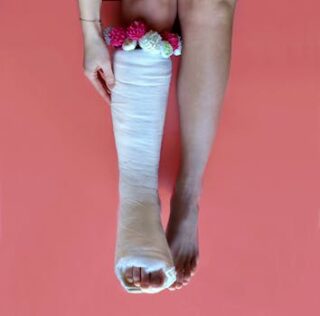
Recovering from a broken fibula can be a challenging process, yet with the right care and attention, full recovery is possible. The fibula is the smaller bone located in the lower leg, running parallel to the tibia. A break or fracture here can impede daily activities and restrict mobility. Understanding the recovery process and implementing effective care strategies are essential for healing.
Understanding a Broken Fibula
When dealing with a broken fibula, it’s important to first comprehend how such injuries occur. The fibula can be fractured by direct impacts, falls, or excessive twisting of the leg. Symptoms typically include pain, swelling, and sometimes an inability to walk or bear weight. Diagnosis is confirmed through medical imaging, such as X-rays or MRIs.
Treatment and Healing
The treatment of a fractured fibula depends on the severity and location of the fracture. Some fractures may require immobilization with a cast or splint, while others might need surgical intervention to ensure proper alignment and healing. The recovery can take several weeks to months, and rehabilitation plays a crucial role in regaining strength and functionality.
Initial Care and Rest
In the initial stages following a fibula fracture, rest is paramount. Reducing weight-bearing activities allows the bone to start the healing process effectively. A healthcare provider may recommend the use of crutches or a walker to assist in getting around without putting pressure on the injured leg.
Physical Therapy and Exercise
After immobilization, physical therapy is essential for rebuilding strength in the affected leg. A therapist will guide you through a series of exercises designed to enhance mobility, flexibility, and strength. These exercises are critical in preventing stiffness and promoting efficient circulation to the healing bone.
Nutrition and Bone Health
Nutrition plays a key role in the recovery of a broken fibula. A balanced diet rich in calcium and vitamin D can support bone health. Foods such as leafy greens, dairy, and fortified cereals are excellent choices. Additionally, ensuring adequate protein intake aids in tissue repair and overall recovery. For more on how nutrition affects health, check out how lifestyle choices impact overall health.
Potential Complications
While most fibula fractures heal without issue, complications can arise. These might include delayed healing, misalignment, or even surgical complications if an operation was necessary. It’s crucial to monitor symptoms and maintain regular check-ups with your healthcare provider to mitigate risks.
Prevention and Safety Tips
Preventing a broken fibula involves measures like wearing appropriate footwear, using protective gear during sports, and maintaining good bone health through diet and exercise. Engaging in weight-bearing exercises can strengthen the lower body and improve balance, reducing the risk of falls and injuries.
As you continue your journey towards recovery from a broken fibula, remember that progress might be gradual. Consistent care, healthy practices, and professional guidance are key elements in achieving a full recovery.
- Allow adequate rest and immobilization initially.
- Engage in recommended physical therapy to regain strength.
- Support your recovery with a nutritious diet.
- Watch for signs of complications and seek medical advice if needed.
- Prioritize prevention strategies to avoid future injuries.
Frequently Asked Questions
What is the typical recovery time for a broken fibula?
Recovery time can vary depending on the type and severity of the fracture, but typically ranges from six to eight weeks. Following a doctor’s recovery plan can help optimize healing.
Can I walk on a broken fibula?
Initially, you should avoid putting weight on a broken fibula until advised otherwise by a healthcare professional. Walking prematurely can exacerbate the injury.
Will I need surgery for a fractured fibula?
Not all fibula fractures require surgery. Whether surgery is needed depends on the fracture type and its stability. Your doctor will assess and decide the best treatment approach.
What exercises are safe during fibula recovery?
Your physical therapist will suggest exercises that focus on gentle stretching and strengthening post-immobilization. It’s crucial to follow their guidance to prevent re-injury.
How can diet affect my fibula healing process?
A diet rich in essential nutrients like calcium and vitamin D supports bone health, while adequate protein aids in tissue repair and recovery.
For further information, you may find resources like Health on Wikipedia to be helpful.
Other Articles You May Find of Interest...
- Knee Massager for Muscle Tension Around the Knee What You Need to Know
- What Life Really Looks Like a Year After Spine Surgery
- Gout or Bursitis? Why Joint Swelling Can Look the Same
- Broken Kneecap Recovery: How Long Healing Usually Takes
- The Thumb Grind Test: What Pain During It Can Mean
- Choosing a Trigger Thumb Splint That Actually Supports Healing
- Can Tendons Heal on Their Own? What Recovery Requires





