More Vision & Eye Care Articles
The Impact of Pupillary Dilation: Exploring Common Drugs and Their Effects
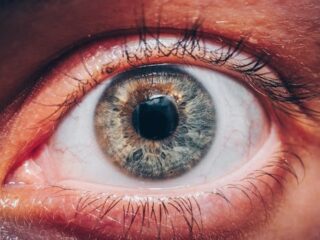
Have you ever wondered why some substances can cause your pupils to dilate? The phenomenon of drugs that dilate the pupils is not only fascinating but also medically significant. Pupillary dilation can occur due to several reasons, including the action of certain medications and recreational drugs. Understanding these effects can provide insights into both the intended and unintended impacts of these substances on our bodies.
How Do Drugs That Dilate the Pupils Work?
Drugs that dilate the pupils operate by influencing the muscles in the iris, which is the colored part of the eye. Normally, pupil size is regulated by two types of muscles: constrictor muscles that make the pupil smaller and dilator muscles that enlarge it. Parasympathetic nervous system activity usually manages the constrictor muscles, whereas sympathetic nervous system activity controls the dilator muscles. When sympathetic activity increases or parasympathetic activity decreases, dilation occurs.
Medications can interfere with these pathways in various ways. Some drugs enhance sympathetic responses, while others inhibit parasympathetic responses, both leading to larger pupil size. This effect can be a byproduct of their action or intentionally used in diagnostic procedures like eye exams.
Common Drugs That Cause Pupillary Dilation
Several classes of drugs known for dilating pupils include:
- Anticholinergic drugs: These substances work by blocking the neurotransmitter acetylcholine, which plays a critical role in eye function. Medications like atropine and scopolamine can lead to pupil dilation as a side effect.
- Stimulants: Drugs like cocaine and amphetamines trigger the release of norepinephrine and dopamine, heightening sympathetic nervous activity and thereby causing pupil enlargement.
- Hallucinogens: Substances such as LSD (lysergic acid diethylamide) can cause an increase in pupil size as part of their overall psychoactive effects.
- SSRIs and SNRIs: Some antidepressants may also result in widened pupils, although this is considered a less common side effect.
For more on understanding drug effects, you might be interested in reading our article on addiction and substance effects.
Medical Uses of Pupil-Dilating Drugs
In a clinical context, certain drugs are deliberately used to dilate pupils for diagnostic and therapeutic purposes. This is often necessary for a detailed examination of the inner structures of the eye. These medications are typically administered as eye drops, allowing ophthalmologists to inspect the retina and optic nerve. These pupil-dilating drops are usually temporary, with effects lasting a few hours.
Potential Risks and Side Effects
While occasionally necessary for medical exams, the dilation of pupils can lead to short-term discomfort, including light sensitivity and difficulty focusing on close objects. These effects are typically mild and resolve within a few hours. However, when dilation results from non-medical drug use, such as with various recreational drugs, it can signal other risks. It’s important to approach these substances with caution and under medical guidance if needed.
For detailed information on pupil dilation and other related health topics, visit this resource on Wikipedia.
The Broader Implications of Pupil Dilation
Pupil dilation can be more than a simple reaction to light or a secondary result of drug action. It may signal deeper neurological or psychological changes. Drugs that dilate the pupils often involve neurotransmitter imbalances or alterations, pointing to significant shifts in brain chemistry.
Understanding the underlying mechanisms and implications of pupil dilation can aid in identifying substance use and possible drug interactions that might necessitate medical attention. It serves as a visible clue to assess the body’s response to different substances, offering a tangible marker for clinicians and caregivers.
Ultimately, drugs that dilate the pupils offer a window into understanding the intricate interactions within our nervous system and how substances affect our bodies. Whether medically administered or as a consequence of recreational use, the dilation of pupils signifies intricate biological processes that merit careful consideration.
- Pupil dilation occurs due to changes in muscle control in the iris.
- Various drugs, including stimulants and hallucinogens, can cause this effect.
- Medical professionals use pupil dilation to examine eye health.
- Recreational drug use that causes dilation can point to larger health concerns.
- Seek professional advice to understand the implications of drug-induced pupil dilation.
Frequently Asked Questions
What causes pupil dilation when using certain drugs?
The dilation is primarily due to the drug’s action on the sympathetic nervous system or its inhibition of the parasympathetic system, affecting muscle control in the eye.
Are dilated pupils a cause for concern?
In a medical setting, it’s often harmless and temporary. Recreational drug-induced dilation might indicate potential health impacts that should be monitored.
How long do dilated pupils last after consuming drugs?
The duration can vary significantly depending on the substance, ranging from a few hours to a day. It also depends on individual physiology and the amount used.
Can all drugs cause pupil dilation?
No, not all substances have this effect. Only specific classes of drugs, such as stimulants and anticholinergics, are known for causing pupil dilation.
Is it possible to reverse drug-induced pupil dilation?
Generally, the effect subsides as the drug is metabolized and eliminated from the body. In some cases, specific drugs can be used to counteract the dilation.
Other Articles You May Find of Interest...
- Still wearing contacts every day? When it may be worth asking about LASIK
- What a LASIK consultation can tell you about your eyes
- Can You Use Biotrue Contact Solution as Eye Drops?
- Can You Put a Pimple Patch on a Stye?
- Reading Glasses 101: Signs You Need Them and How to Choose the Right Pair
- Contact Lenses vs. Glasses: What Your Cornea Health Should Decide
- 7 Signs Your Child Needs a Pediatric Eye Doctor Right Away