






More Physical Therapy Articles
Effective Physiotherapy Strategies for Managing Charcot Marie Tooth Disease
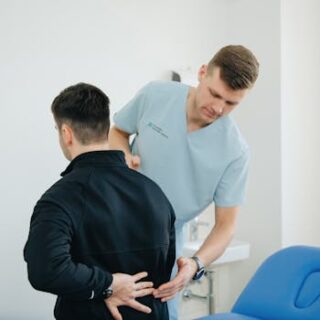
Charcot Marie Tooth disease (CMT) is a genetic condition that affects the peripheral nerves, often leading to muscle weakness and atrophy in the hands and feet. Individuals with CMT can benefit from various therapeutic interventions, one of the most effective being physiotherapy. This article delves into the role of physiotherapy in managing Charcot Marie Tooth disease, exploring strategies that can help improve function and quality of life for those affected by the condition.
Understanding Charcot Marie Tooth Disease Physiotherapy
The goal of physiotherapy for CMT patients is to enhance mobility, minimize pain, and prevent further complications. By employing a combination of strength training, stretching, and balance exercises, physiotherapy can significantly improve the symptoms associated with this disease. An article that might inspire you to get started with physical activity can be found here.
Exercise Strategies for CMT
Strengthening Exercises
Strengthening exercises focus on enhancing muscle power, which can mitigate the muscle weakness characteristic of CMT. These exercises can target the lower body to help with walking and standing. Therapists often recommend resistance bands and light weights to provide safe, effective muscle training. Over time, this can improve endurance and reduce fatigue.
Stretching Exercises
Stretching is vital for maintaining flexibility and preventing contractures, which are permanent muscle shortenings. Regular stretching of the ankles, calves, and hamstrings can improve mobility and reduce the risk of injury. Physiotherapists usually tailor stretching routines to the individual’s needs, ensuring exercises are safe and effective.
Balance and Coordination Training
Individuals with CMT often experience balance issues due to muscle weakness and sensory loss. Balance training helps improve coordination, which can prevent falls and enhance confidence in movement. Techniques may involve posture exercises, stability balls, and practice walking on different surfaces.
Assistive Devices and Technological Support
In addition to conventional exercise strategies, physiotherapy for CMT may include the use of assistive devices. These can range from ankle-foot orthoses (AFOs) to improve walking stability, to mobility aids like canes or walkers. Advances in technology offer additional support; for example, functional electrical stimulation devices can aid muscle movement and improve walking patterns.
The Role of Hydrotherapy
Hydrotherapy, or water-based therapy, is particularly beneficial for CMT patients. The buoyancy of water reduces stress on the musculoskeletal system, allowing for more effortless movement and increased exercise tolerance. Hydrotherapy can improve cardiovascular fitness, muscle strength, and flexibility, all while minimizing joint impact and reducing pain.
Tailoring Physiotherapy to Individual Needs
Effective physiotherapy for CMT must be personalized. Patients differ significantly in their symptoms and progression of the disease, necessitating a customized approach. A qualified physiotherapist can assess individual needs and develop a comprehensive plan that optimizes therapeutic outcomes. Regular monitoring and adjustments to this plan ensure that treatment remains relevant and effective as the disease progresses.
The Importance of Early Intervention
Early intervention is crucial in managing CMT effectively. Starting physiotherapy soon after diagnosis can help slow disease progression and reduce long-term complications. Patients and families are encouraged to seek professional guidance early to establish an effective treatment plan.
Collaborative Care Approach
A comprehensive treatment strategy often involves a team of healthcare professionals, including neurologists, physiotherapists, occupational therapists, and orthotists. This collaborative care can provide a holistic treatment approach, addressing various aspects of health and well-being.
Charcot Marie Tooth disease physiotherapy plays a crucial role in managing this complex condition by enhancing mobility and function. By utilizing a personalized physiotherapy plan, individuals can achieve a better quality of life, improved mobility, and reduced symptoms.
- Physiotherapy can help manage symptoms of CMT effectively.
- Customized exercise programs are essential for each individual’s needs.
- Assistive devices and hydrotherapy can enhance treatment outcomes.
- Early intervention and a collaborative care approach are vital.
- Consistent therapy and monitoring improve long-term outcomes.
Frequently Asked Questions
What is Charcot Marie Tooth disease?
Charcot Marie Tooth disease is a genetic disorder affecting the peripheral nerves, leading to muscle weakness and sensory issues, primarily in the hands and feet.
How can physiotherapy benefit those with CMT?
Physiotherapy can improve muscle strength, balance, coordination, flexibility, and overall mobility, effectively helping manage the symptoms of CMT.
Why are personalized physiotherapy programs important for CMT patients?
Patients have varying symptoms and disease progression; personalized programs ensure treatment is safe and effective, tailored to meet individual needs.
Are there technological aids available for CMT patients?
Yes, assistive devices like orthoses and functional electrical stimulation can help enhance mobility and manage symptoms in CMT patients.
Where can I find more reliable information about CMT?
For more information about Charcot Marie Tooth disease, visit the Wikipedia page on CMT.
Other Articles You May Find of Interest...
- What You Need to Know About Modern Physical Therapy Care
- Tips For How To Stay Young
- Sitting All Day? Small Changes That Actually Help
- Beyond the Exercise Sheet: What to Expect from Modern Physical Therapy
- Shockwave Therapy
- Sports Rehabilitation: Recovering From Athletic Injuries and Getting Back in the Game
- Pelvic Floor Physiotherapy: Signs You May Benefit From Treatment





