More Physical Therapy Articles
Mastering the Lachman Examination for Accurate Knee Assessment
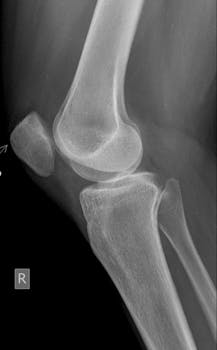
The Lachman examination is a critical component of knee assessments and is often used by healthcare professionals to evaluate the integrity of the anterior cruciate ligament (ACL). Understanding this examination can aid in diagnosing ACL injuries accurately, which is important for athletic individuals and those experiencing knee instability. This article will explore the Lachman exam in detail, provide guidance on its execution, and highlight its significance in sports medicine.
Understanding the Lachman Examination
The Lachman examination is a physical test performed to assess the ACL’s condition. The ACL is crucial for stabilizing the knee joint, and damage to it can severely impact mobility and function. Clinicians often perform this test when an ACL injury is suspected due to trauma or sports-related activities. The Lachman test is recognized for its sensitivity and accuracy compared to other diagnostic methods like the anterior drawer test.
How to Perform the Lachman Examination
The Lachman exam requires the patient to lie on their back with their knees bent at approximately a 30-degree angle. The examiner stabilizes the patient’s thigh with one hand while the other hand gently displaces the tibia forward. The goal is to feel for excessive forward movement or a “soft endpoint,” which may indicate an ACL tear.
It is important for clinicians to practice this technique regularly to become proficient and ensure reliable results. Clinical training programs often include the Lachman examination as a fundamental skill for medical students and professionals specializing in orthopedics or sports medicine.
Factors Affecting Test Accuracy
Several factors can influence the accuracy of the Lachman exam. A practitioner’s experience and familiarity with normal knee anatomy are crucial for correct interpretation of results. Swelling and muscle guarding can also affect the procedure. Performing the test on both knees allows for comparison, which helps in distinguishing between an injured and a healthy ACL.
Benefits of the Lachman Examination
The Lachman examination is valued for its simplicity and efficiency. It can be performed quickly and without special equipment, making it an accessible tool in various healthcare settings, from clinics to sports fields. Early and accurate diagnosis of an ACL injury can prevent further damage and lead to better outcomes through timely intervention and rehabilitation.
Despite its advantages, it’s crucial to consider additional diagnostic tools such as magnetic resonance imaging (MRI) to confirm an ACL tear. The Lachman exam is part of a comprehensive assessment strategy used by healthcare providers to ensure a holistic view of knee health.
Complementary Diagnosis and Treatment
When an ACL injury is confirmed, treatment options vary based on the severity of the injury and the patient’s lifestyle. Non-surgical approaches include physical therapy and lifestyle modifications. In some cases, particularly for athletes or active individuals, surgical reconstruction may be recommended to restore knee stability and function.
For individuals interested in maintaining overall health and supporting injury recovery, dietary approaches such as a high-protein diet can be beneficial. Learn about the importance of a high-protein diet for weight loss and muscle repair.
The Role of the Lachman Examination in Modern Medicine
In today’s medical practices, the Lachman examination continues to serve as a valuable tool due to its effectiveness and ease of use. It complements modern imaging techniques, offering an immediate assessment that guides treatment decisions. Professionals in sports medicine and orthopedics frequently rely on this test to monitor recovery progress following ACL reconstruction surgeries.
Advancements in medical technology and surgical techniques have improved patient outcomes for those suffering from ACL injuries. However, foundational tests like the Lachman exam remain integral for thoroughly assessing knee stability and guiding clinical decisions.
For a deeper understanding of knee health and ACL injuries, you may visit the Health Information Wiki for comprehensive articles and resources.
- The Lachman examination is a critical test for assessing ACL integrity.
- The test’s accuracy depends on clinician skill and patient factors like swelling.
- This exam can quickly identify potential ACL injuries, aiding in early intervention.
- Complementary diagnostic methods like MRI enhance diagnostic accuracy.
- For ACL injury recovery, treatment can include lifestyle and surgical options.
FAQ
What is the Lachman examination used for?
The Lachman examination is used to assess the integrity of the anterior cruciate ligament (ACL) in the knee, aiding in the diagnosis of ACL injuries.
Who performs the Lachman examination?
The Lachman examination is typically performed by healthcare providers such as doctors, physical therapists, and sports medicine practitioners trained in knee assessments.
How reliable is the Lachman examination?
The Lachman examination is considered highly reliable when performed by a skilled practitioner, offering a sensitive evaluation for potential ACL tears.
Can the Lachman examination be done on both knees?
Yes, the Lachman test is often performed on both knees to compare the injured knee against the healthy one, providing a clearer assessment of ACL stability.
Are there limitations to the Lachman examination?
Yes, the presence of swelling, pain, or muscle guarding can affect the test’s accuracy, and additional diagnostic tools like MRI may be used to confirm findings.
Other Articles You May Find of Interest...
- What You Need to Know About Modern Physical Therapy Care
- Tips For How To Stay Young
- Sitting All Day? Small Changes That Actually Help
- Beyond the Exercise Sheet: What to Expect from Modern Physical Therapy
- Shockwave Therapy
- Sports Rehabilitation: Recovering From Athletic Injuries and Getting Back in the Game
- Pelvic Floor Physiotherapy: Signs You May Benefit From Treatment