More Vision & Eye Care Articles
Is 20/40 Vision a Cause for Concern?
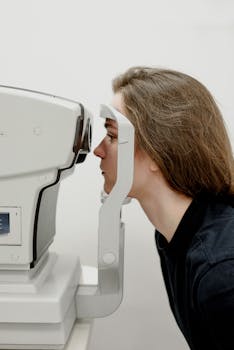
When you hear someone mention they have 20/40 vision, you might wonder, is 20/40 vision bad? To fully understand what 20/40 vision means, it’s important to delve into how vision is measured and what these numbers signify for someone’s eyesight.
Understanding What 20/40 Vision Means
The term 20/40 vision is part of standard visual acuity testing. The first number, 20, represents the distance in feet from which a person can clearly see an object. The second number, 40, refers to the distance at which a person with “normal” vision would be able to see the same object equally clearly.
If you have 20/40 vision, this means that what you see clearly at 20 feet, someone with standard vision can see just as clearly from 40 feet away. It implies a slight reduction in visual detail perception, but it doesn’t necessarily mean your vision is “bad” in a medical sense.
Is 20/40 Vision Bad? What You Need to Know
The critical question people often ask is, is 20/40 vision bad? The answer depends on the context and your lifestyle needs. In general, 20/40 vision is considered a level at which you might need corrective lenses for tasks requiring sharp vision, such as driving. However, it’s not severe enough to be classified as vision impairment or disability.
Functionality with 20/40 Vision
Many people with 20/40 vision manage daily tasks without significant difficulty. Reading or engaging with proximate screens might not pose any trouble; however, activities requiring clarity in long distances, like highway driving, might necessitate help from glasses or contact lenses.
This level of vision might fulfill the minimum requirements for driving licenses in some jurisdictions, but you should always check specific regulations. In contrast, [this article on maintaining safe lifestyle habits](https://yourhealthmagazine.net/article/weight-control-nutrition-exercise/weight-loss-safe-and-effective-approaches-and-hidden-causes/) provides additional insights into preserving general well-being.
When to Consult an Eye Care Professional
If you suspect a change in your vision or find that your current vision level affects your quality of life, it’s wise to consult an eye care professional. Even if 20/40 isn’t drastically poor vision, all changes in vision should be investigated to rule out underlying conditions.
Common Causes of Less than Perfect Vision
Several factors may lead to 20/40 vision, including genetic disposition, age-related changes, or lifestyle habits. Regular screenings can help in early detection and prompt corrective measures or treatments if necessary.
Genetic Factors
Vision problems often run in families. If your parents or siblings wear corrective lenses, you might be more predisposed to develop similar vision requirements.
Age-Related Vision Changes
As you age, it’s natural for your vision to undergo changes. This includes presbyopia, where seeing things up close becomes more challenging, a normal part of aging usually starting in the 40s.
Lifestyle and Environmental Influences
Frequent exposure to screens, insufficient lighting, or improper posture while reading can strain your eyes. Although lifestyle factors might not directly cause 20/40 vision, they can exacerbate existing conditions.
Managing and Improving Vision
Even if 20/40 vision isn’t inherently bad, enhancing eye health is always beneficial. A combination of eye exercises, a nutrient-rich diet, and protective measures can support overall eye function.
Diet and Nutrition
Foods rich in Omega-3 fatty acids, vitamins, and antioxidants may support optimal eye health. Leafy greens, fish, and nuts are excellent choices to incorporate into your diet.
Eye Exercises
Regularly practicing eye exercises can help reduce eye strain and maintain flexibility in the eye’s muscles. Consider focusing changes in gaze from near to far distances regularly throughout the day.
Routine Eye Check-Ups
Seeing an optometrist or ophthalmologist regularly ensures any changes in your vision are monitored. Early intervention is key to preventing potential issues from exacerbating.
In conclusion, asking whether is 20/40 vision bad often yields context-dependent answers. While it typically isn’t considered severe, addressing any discomfort or changes with a professional is essential.
External Resources
For a deeper understanding of visual acuity, you can read more on the Visual Acuity Wikipedia page.
Takeaways
- 20/40 vision means you can see at 20 feet what a person with standard vision sees at 40 feet.
- It’s not classified as visual impairment but might need correction for certain activities.
- Regular eye tests are crucial in monitoring and maintaining eye health.
- Consult an eye care professional for any changes in vision.
- Support eye health with a balanced diet and proper eye care routines.
FAQ
What does 20/40 vision mean in practical terms?
It means your vision clarity at 20 feet is equivalent to what a person with normal eyesight sees at 40 feet.
Can I drive if I have 20/40 vision?
It depends on state regulations, but generally, 20/40 is within the range allowed for an unrestricted driver’s license in many places.
How can I improve my 20/40 vision?
While you cannot improve natural vision levels without corrective lenses or surgery, maintaining eye health through diet, exercises, and regular check-ups is beneficial.
Does 20/40 vision require glasses?
Not necessarily, but glasses may enhance clarity, particularly for distance activities like driving. Consult with an optometrist for personalized advice.
Is 20/40 vision normal for my age?
Vision changes are common with age, but whether or not this level is typical for you should be evaluated by an eye care professional.
Other Articles You May Find of Interest...
- Ortho-K for Children: What Parents Should Know About Myopia Management
- Eyelashes Growing Every Which Way: Causes and Fixes
- Andrew Ting Explains How AI-Powered Retina Scans Can Support Earlier Detection
- Battling With Eye Strain? 5 Signs You Should Get an Eye Exam Quickly
- Can Cataracts Get Worse If You Wait Too Long for Surgery?
- Is Zinc Good for Your Eyes? The AREDS Evidence
- Is Contact Solution the Same as Saline?