More Mental Health Articles
Xanax vs Ativan: Which Anxiety Medication is Right for You?
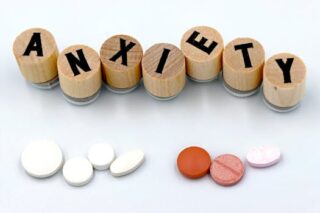
When it comes to managing anxiety, choosing the right medication can be essential for your mental health journey. Two widely prescribed medications in this category are Xanax and Ativan. Both belong to a class of medications known as benzodiazepines, but they have differences that might make one more suitable for your needs than the other. This comparison of Xanax vs Ativan will help you understand these differences and aid in a more informed discussion with your healthcare provider.
Xanax vs Ativan: Understanding Benzodiazepines
Xanax (generically known as alprazolam) and Ativan (lorazepam) are both used to treat anxiety disorders. They function by acting on the brain and central nervous system to produce a calming effect. Although similar, their specific uses, efficacy, side effects, and potential for dependency can vary.
What is Xanax?
Xanax is often prescribed for anxiety disorders and panic attacks. It is known for its quick onset of action, usually taking effect within 30 minutes to an hour. This rapid action makes it a popular choice for those experiencing acute anxiety attacks. However, the effects of Xanax typically last only a few hours, which may require multiple doses throughout the day.
What is Ativan?
Ativan, on the other hand, is also used to manage anxiety but is often favored for its longer-lasting effects. It may be prescribed for generalized anxiety disorder, insomnia related to anxiety, or pre-surgery anxiety. Ativan takes slightly longer to take effect—around 45 minutes to an hour—but can last longer, which might reduce the frequency of dosing.
Comparative Effectiveness
The effectiveness of Xanax vs Ativan can differ based on the individual’s specific symptoms and health profile. While Xanax might be ideal for quick relief of panic symptoms, Ativan’s longer duration can be more beneficial for ongoing anxiety management or certain medical procedures.
Side Effects and Risks
Like all medications, Xanax and Ativan come with a range of potential side effects. Common side effects for both include drowsiness, dizziness, and potential dependency, especially with long-term use. Let’s dive into each medication’s specific side effects and associated risks.
Xanax Side Effects
Common adverse effects of Xanax include fatigue, memory problems, and potential issues with coordination. Since Xanax acts quickly, its effects may feel more intense. Dependency is a noted risk, and users might experience withdrawal symptoms if they stop taking it abruptly.
Ativan Side Effects
Ativan can also cause drowsiness and dizziness. However, its longer action can lead to prolonged effects. As with Xanax, dependency can develop, making it necessary to monitor usage closely. Gradual discontinuation is recommended to minimize withdrawal effects.
Choosing Between Xanax and Ativan
Deciding between Xanax and Ativan should be done in consultation with a healthcare provider. Factors such as the specific anxiety symptoms, history of medication use, and potential for misuse should be discussed. Individual health conditions and any other medications being taken will also influence this decision.
The Role of Medical Supervision
Medical supervision is crucial when taking benzodiazepines to manage anxiety. Regular check-ins with your healthcare provider can help track the medication’s effectiveness and adjust dosages as needed. A professional can also identify signs of dependency early and address them. For other innovative approaches to mental health treatment, you may explore the revolutionary therapies for OCD.
Alternative Therapies
If the side effects or risks of benzodiazepines raise concerns, consider discussing alternative therapies with your healthcare provider. Options include other medication classes, talk therapy, or lifestyle changes that may support anxiety management.
Conclusion: Xanax vs Ativan
Both Xanax and Ativan have their unique benefits and potential drawbacks. When weighing Xanax vs Ativan, consider factors like how quickly you need relief and the duration of effect you require. Always consult with your healthcare provider to ensure the choice aligns with your health needs and lifestyle. For more detailed information on benzodiazepines, you might find this resource on Wikipedia helpful.
- Xanax and Ativan are benzodiazepines used to treat anxiety.
- Xanax acts quickly but has a shorter duration of effect.
- Ativan takes longer to work but lasts longer, requiring fewer doses.
- Medical supervision is crucial to manage risks and dependencies effectively.
- Consult your healthcare provider for the most personalized advice.
FAQ
What are the primary uses of Xanax and Ativan?
Xanax is primarily used for managing panic attacks and acute anxiety, while Ativan is used for general anxiety disorder and related conditions.
Which medication has a quicker onset of action?
Xanax usually has a quicker onset of action, taking effect within 30 minutes, whereas Ativan may take up to 45 minutes or longer.
Are there significant differences in side effects?
Both medications have similar side effects, such as drowsiness and dizziness. The intensity and duration, however, can vary between individuals.
Can I switch from Xanax to Ativan or vice versa?
Switching between medications should only be done under medical supervision to manage dosage and minimize withdrawal effects.
What should I discuss with my healthcare provider before choosing?
Discuss your specific symptoms, any history of medication dependency, other health conditions, and current medications with your healthcare provider to choose the most suitable option.
Other Articles You May Find of Interest...
- Mental Health: Understanding Your Mind and Finding the Right Support
- Can You Get a Medical Marijuana Card for Anxiety or PTSD?
- How to Find the Right Autism Support in Texas: A Step-by-Step Guide
- Understanding SPRAVATO Treatment for Persistent Depression Symptoms
- Stress and Distraction Can Put Extra Pressure on Everyday Mental Balance
- AuDHD Diagnosis: When Autism and ADHD Overlap
- How to Treat Limerence and Break the Cycle of Obsessive Attachment