






More Vision & Eye Care Articles
Relief for Eye Discomfort: How Artificial Tears Help Subconjunctival Hemorrhage
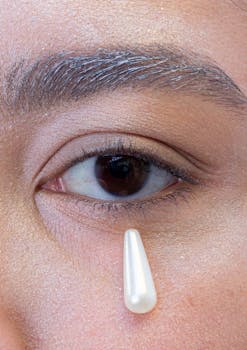
Subconjunctival hemorrhage, while often harmless, can cause anxiety and discomfort due to its sudden appearance. It occurs when a tiny blood vessel breaks just underneath the surface of your eye. For those dealing with this condition, artificial tears for subconjunctival hemorrhage might provide relief by soothing the eye and keeping it hydrated. In this article, we will explore how artificial tears can help manage the discomfort associated with this eye issue.
Understanding Artificial Tears for Subconjunctival Hemorrhage
Artificial tears are over-the-counter eye drops designed to lubricate dry eyes and mimic the properties of natural tears. They often contain active ingredients like cellulose derivatives, which help maintain moisture on the eye’s surface. Although artificial tears do not address the underlying cause of a subconjunctival hemorrhage, which usually resolves on its own, they can alleviate temporary symptoms such as dryness, irritation, or a gritty sensation.
Causes and Symptoms of Subconjunctival Hemorrhage
Subconjunctival hemorrhages may be caused by various factors, including sudden increases in pressure from sneezing, coughing, or heavy lifting. Other potential causes include trauma or side effects from blood-thinning medications. Symptoms are usually limited to a bright red patch on the white of the eye and do not cause pain or affect vision. If you experience discomfort, using artificial tears may help.
How Artificial Tears Work
Artificial tears help by providing additional lubrication to keep the eye moist. They can reduce irritation, soothe the eye’s surface, and prevent further dryness. The moisturizing properties of artificial tears make them a simple, yet effective option to relieve the discomfort sometimes associated with subconjunctival hemorrhages.
- Consult an eye care professional to confirm the diagnosis.
- Monitor the hemorrhage to ensure it resolves within a couple of weeks.
- Consider lifestyle changes to reduce the risk of future issues, like adopting a more active lifestyle.
When to See a Doctor
While most cases of subconjunctival hemorrhage are harmless and resolve on their own in days to weeks, you should see a doctor if you experience any pain, changes in your vision, or if the condition does not improve over time. Remember, artificial tears merely soothe the eye; they do not affect the course of the subconjunctival hemorrhage.
Alternatives to Artificial Tears
In certain cases, cold compresses may help reduce discomfort for some people. Avoiding blood-thinning medications and maintaining regular eye check-ups could also support overall eye health. It is crucial to discuss other treatment options with a healthcare provider, as they can offer personalized advice based on individual health needs.
To learn more about eye health, you can refer to reliable resources such as Wikipedia’s page on health.
Conclusion: Finding Relief
Managing eye discomfort from subconjunctival hemorrhages is possible with the help of artificial tears for subconjunctival hemorrhage. These drops can provide temporary relief from any dryness or irritation you might experience. Always consult a healthcare provider if you have concerns or notice persistent symptoms.
- Subconjunctival hemorrhages are usually harmless and self-limiting.
- Artificial tears can relieve associated eye discomfort.
- See a doctor if you experience pain or vision changes.
- Cold compresses are a potential alternative relief method.
- Discuss any concerns with your healthcare provider.
Frequently Asked Questions
What causes a subconjunctival hemorrhage?
Subconjunctival hemorrhages can be caused by strong sneezes, coughs, heavy lifting, trauma, or medication effects that increase blood pressure in the eyes.
Will artificial tears cure my subconjunctival hemorrhage?
No, artificial tears will not cure the hemorrhage but may provide relief from dryness or irritation during the healing process.
How long do subconjunctival hemorrhages last?
Most subconjunctival hemorrhages resolve on their own within one to two weeks, without any need for medical intervention.
Are there side effects from using artificial tears?
Artificial tears are generally safe for most people. However, some may experience mild stinging or temporary blurred vision. If you have any concerns, consult with a healthcare provider.
When should I seek medical attention for a subconjunctival hemorrhage?
Seek medical attention if you experience pain, vision changes, or if the red patch doesn’t start to fade in a week or so. It’s important to have a professional evaluate your symptoms.
Other Articles You May Find of Interest...
- Still wearing contacts every day? When it may be worth asking about LASIK
- What a LASIK consultation can tell you about your eyes
- Can You Use Biotrue Contact Solution as Eye Drops?
- Can You Put a Pimple Patch on a Stye?
- Reading Glasses 101: Signs You Need Them and How to Choose the Right Pair
- Contact Lenses vs. Glasses: What Your Cornea Health Should Decide
- 7 Signs Your Child Needs a Pediatric Eye Doctor Right Away





