






More Pain Management & Rehabilitation Articles
Navigating the Journey of MALS Surgery: What Patients Need to Know
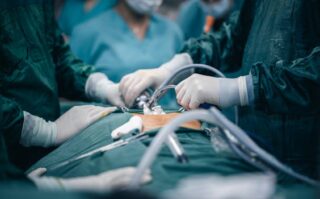
Median Arcuate Ligament Syndrome (MALS) surgery is a significant medical procedure aimed at alleviating symptoms caused by the compression of the celiac artery. For individuals considering MALS surgery, understanding the journey from diagnosis to recovery is crucial. This article will guide you through the complexities of MALS surgery, exploring what patients can expect and the factors to consider before proceeding.
Understanding MALS Surgery
The primary goal of MALS surgery is to relieve the pressure on the celiac artery caused by the median arcuate ligament. This compression can lead to various symptoms, including abdominal pain after eating, weight loss, and nausea. For many patients, surgery offers a potential solution to improve quality of life.
Surgical intervention typically involves releasing the ligament that is compressing the artery. This can be done via traditional open surgery or a less invasive laparoscopic approach. Each method has its own risks and benefits, and the choice of procedure often depends on the patient’s health, surgeon’s recommendation, and specific circumstances.
Individuals who have experienced unexplained symptoms such as persistent abdominal pain and unintended weight loss may find it beneficial to study the best options to treat obesity, which can sometimes mimic symptoms of MALS.
Preparation and Considerations for MALS Surgery
Preparing for MALS surgery involves thorough consultations with healthcare professionals. Tests such as imaging studies and sometimes angiograms might be required to confirm the diagnosis and assess the severity of the artery compression. Discussions with your healthcare team should include the potential risks, benefits, and recovery expectations associated with the surgical procedure.
It’s also important to consider your overall health and any underlying conditions that could affect surgery outcomes. Open and honest communication with your medical team will help tailor a surgical plan that best suits your individual health needs.
Recovery After MALS Surgery
Recovery from MALS surgery varies depending on the surgical method used. Patients undergoing laparoscopic surgery often experience quicker recovery times and shorter hospital stays compared to those having open surgery. Nevertheless, both procedures require a period of rest and rehabilitation.
Post-operative care typically involves managing pain, gradually reintroducing food, and monitoring for any complications such as infection. Follow-up appointments are crucial for assessing the success of the surgery and addressing any ongoing symptoms or concerns.
During recovery, adhering to your surgeon’s advice and paying close attention to your body’s responses can facilitate a smoother healing process. Participation in follow-up tests may be needed to ensure that the artery remains unobstructed over time.
Living with MALS Post-Surgery
Life after MALS surgery can be significantly improved for many patients. Symptom relief is often immediate, though some individuals may continue to experience mild discomfort or digestive changes. Ongoing medical evaluations can assist in managing any long-term symptoms.
For additional information on the topic of health and arterial conditions, you can visit this Wikipedia page which provides a comprehensive overview of health-related topics.
Active engagement in lifestyle adjustments is also encouraged. Regular exercise, a balanced diet, and stress management are vital components of maintaining health post-surgery. Integrating these changes can provide lasting benefits and help avoid recurrence of symptoms.
In conclusion, MALS surgery represents a meaningful step towards alleviating symptoms and improving the overall well-being for those diagnosed with this condition. By comprehending the surgical process and recovery expectations, patients are better equipped to embark on this journey with confidence.
- MALS surgery aims to relieve symptoms by decompression of the celiac artery.
- Preparation involves thorough diagnostic procedures and consultations.
- Recovery times vary based on surgical methods and individual health.
- Post-surgery lifestyle changes can help maintain long-term health benefits.
- Continuous medical monitoring is essential for successful recovery.
What is MALS surgery?
MALS surgery is a procedure designed to relieve compression of the celiac artery by the median arcuate ligament, alleviating related symptoms like abdominal pain and weight loss.
What symptoms might indicate the need for MALS surgery?
Symptoms that might suggest MALS include persistent abdominal pain post-eating, significant unexplained weight loss, and nausea. Diagnosis requires thorough medical evaluation.
What are the risks associated with MALS surgery?
Risks depend on individual health and the type of surgery chosen. Common risks include infection, bleeding, and potential complications related to anesthesia. Discussing these with your doctor is essential.
How can I prepare for MALS surgery?
Preparation involves diagnostic tests, consultations with your surgeon, and potentially lifestyle changes to optimize health before the procedure. Clear communication with your medical team is vital.
What is the long-term outlook post-MALS surgery?
The long-term outlook is often positive, with significant symptom relief. Ongoing medical follow-ups and lifestyle adjustments can enhance recovery and overall health outcomes.
Other Articles You May Find of Interest...
- Effective Pain Relief: Discover the Benefits of Combining Pain Relievers with Muscle Relaxers
- Managing Pain Effectively with 800 mg Naproxen: Benefits and Considerations
- A New Era of Care: Understanding the Benefits of Regenerative Medicine
- Exploring Alternatives: What Are the Options Stronger Than Loperamide?
- Navigating the Side Effects of Flexeril 5 mg for Safer Use
- Choosing the Right Muscle Relaxant for Sciatica: Robaxin or Flexeril?
- Is Robaxin the Solution for Your Back Pain Relief?



