






More Beauty Skin Care & Gorgeous Smiles Articles
Managing Black Eczema: Effective Strategies for Relief and Care
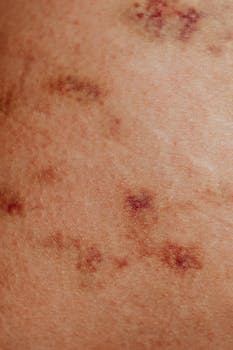
For those experiencing black eczema, it can be a persistent and uncomfortable condition. Understanding this form of eczema is crucial to managing it effectively. Black eczema, often affecting individuals with darker skin tones, can present unique challenges in diagnosis and treatment due to the variations in skin pigmentation and response to common therapies.
Understanding Black Eczema
Black eczema refers to atopic dermatitis in individuals with darker skin. It is characterized by inflammation, itching, and changes in skin color, such as hyperpigmentation or hypopigmentation. These symptoms can be more pronounced due to the natural pigmentation of the skin, making management and diagnosis more complex.
Common Symptoms and Concerns
Those with black eczema may experience a variety of symptoms including intense itching, thickened skin patches, and discoloration. The visual aspect of the condition can lead to psychological and social stress, highlighting the need for effective management strategies that cater to both physical and emotional well-being.
Diagnostic Challenges
Diagnosing black eczema can be challenging due to the variability in skin color and presentation. Healthcare providers might face difficulties when the usual signs of redness and inflammation appear less pronounced. This highlights the importance of seeking care from a provider experienced in treating diverse skin conditions.
In addition, it is worth exploring evidence-based holistic medicine approaches that may offer complementary benefits alongside traditional treatments.
Treatment Strategies for Black Eczema
Effective management of black eczema often requires a comprehensive approach including topical treatments, lifestyle modifications, and addressing potential psychological impacts. Here are some key strategies:
Moisturizing and Skin Care
Daily use of thick, hypoallergenic moisturizers can help maintain skin barrier function and relieve itching. Products containing ceramides or hyaluronic acid may provide additional benefits. Choosing fragrance-free products minimizes irritation.
Topical Medications
Corticosteroids and other topical anti-inflammatory medications may be prescribed to control flare-ups. However, these should be used under the guidance of a physician to avoid potential side effects such as skin thinning or changes in pigmentation.
Understanding Triggers
Identifying and avoiding triggers such as certain foods, allergens, or stressors is crucial in managing the condition. Keeping a diary of flare-ups and related factors can help in recognizing patterns and managing exposure.
Psychological Considerations
The impact of black eczema on mental health should not be underestimated. Support groups, therapy, or counseling may provide essential support for individuals managing chronic skin conditions. Ensuring a holistic approach to treatment is vital.
Long-term Management of Black Eczema
Managing black eczema effectively requires consistent and ongoing care. Staying informed about new treatments and research is important, as is regular consultation with dermatologists who understand the specific requirements of treating diverse skin tones. Long-term approaches often yield the best outcomes.
As ongoing research continues to evolve our understanding of eczema, exciting advancements may change the landscape of treatment and care for this condition. Many studies and clinical trials are exploring new medications and strategies, offering hope for better management in the future.
To explore more information about skin health conditions, consider reading well-researched articles on health-related topics.
Ultimately, effectively managing black eczema involves a combination of proper skincare, medical treatment, awareness of triggers, and addressing emotional health. By following these comprehensive strategies, individuals can significantly improve their quality of life.
Important Takeaways
- Black eczema may present unique challenges due to pigmentation differences.
- Thick moisturizers and personalized skincare are crucial in management.
- Understanding personal triggers can prevent flare-ups.
- Mental health support is a key component of effective eczema management.
- Consulting with a knowledgeable healthcare provider is essential.
What is the main characteristic of black eczema?
Black eczema is often characterized by inflammation, intense itching, and skin discoloration, which can include both hyperpigmented and hypopigmented patches.
How can black eczema affect mental health?
The visibility of black eczema, along with the discomfort and chronic nature of the condition, can lead to psychological stress. Support from mental health professionals can be beneficial.
What are common treatments for black eczema?
Common treatments include the use of moisturizing agents, topical anti-inflammatory medications, and lifestyle modifications to avoid triggers.
Can black eczema be cured?
While there is no cure for eczema, symptoms can be effectively managed and controlled through a variety of treatment strategies and personalized care.
How important is seeking dermatological advice?
Consulting with a dermatologist is critical, especially one experienced in treating eczema in diverse skin tones, to ensure accurate diagnosis and effective treatment.
With a dedicated and nuanced approach, individuals with black eczema can achieve effective symptom relief and enhanced quality of life.
Other Articles You May Find of Interest...
- Benefits of Red Light Therapy for Skin and Pain Relief
- Questions to Ask Before Any Cosmetic Treatment
- The Rise of Mommy Makeover Surgery in Beverly Hills: What Patients Should Know Before Choosing a Surgeon
- A Patient’s Guide to Setting Realistic Expectations for Cosmetic Surgery
- Chemical Peels, Microneedling, and Lasers: How to Choose the Right Resurfacing Treatment for Your Skin
- Not All Halal Collagen Powders Are the Same



