






More Weight Control, Nutrition & Exercise Articles
Unlocking the Surprising Health Benefits of Peanuts for a Better You
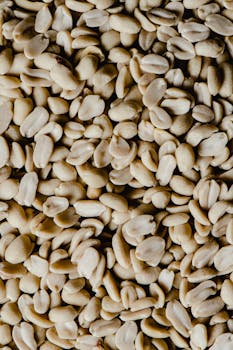
Peanuts have long been cherished as a tasty and versatile snack. However, their benefits extend beyond their delightful crunch. These small but mighty legumes offer a range of surprising health benefits that may support a better you. Within the first few bites, you might start to unlock some of the remarkable peanuts benefits that can enhance your overall well-being.
Peanuts Benefits: A Nutritional Powerhouse
Peanuts are often celebrated for their rich nutritional profile. Packed with essential vitamins and minerals, they can be a valuable addition to your diet. Let’s explore some of the key nutrients found in peanuts that contribute to their myriad benefits.
First and foremost, peanuts are an excellent source of protein. For individuals looking to maintain or build muscle mass, incorporating peanuts into their diet can be beneficial. They contain all essential amino acids necessary for human growth and repair, making them an important muscle-building food.
Additionally, peanuts are rich in healthy fats, particularly monounsaturated fats, which have been associated with heart health. These fats can help to maintain stable cholesterol levels, reduce inflammation, and promote a healthy cardiovascular system. Moreover, the fiber present in peanuts aids digestive health and helps in maintaining a healthy weight by promoting feelings of fullness.
Beyond the macronutrients, peanuts are packed with important micronutrients, including vitamin E, magnesium, and potassium. Vitamin E is a powerful antioxidant that helps protect cells from damage, while magnesium plays a critical role in over 300 enzymatic reactions in the body. Potassium is vital for maintaining healthy blood pressure levels.
The Role of Peanuts in Weight Management
Incorporating peanuts into your diet can be beneficial for weight management. Despite their calorie density, studies suggest that peanuts may help control weight gain. The protein and fiber content in peanuts contribute to satiety, reducing the likelihood of overeating and snacking on less nutritious foods.
For those interested in learning more about incorporating protein-rich foods into their diet, you might find value in our article about The Importance of a High-Protein Diet for Weight Loss.
Peanut Consumption and Heart Health
Regular consumption of peanuts may provide substantial benefits for heart health. The healthy fats and antioxidants present in peanuts can help maintain a healthy heart. Research indicates that these nutrients may reduce the risk of cardiovascular diseases by supporting lower cholesterol levels and reducing inflammation.
Furthermore, studies have shown that people who regularly consume peanuts are less likely to develop gallstones, which are often associated with a high-cholesterol diet. This protective effect of peanuts is another reason to consider including them in a balanced diet.
Peanuts and Diabetes Management
Peanuts may be beneficial for managing blood sugar levels, making them a smart choice for individuals dealing with diabetes. The low glycemic index of peanuts means they do not cause rapid spikes in blood glucose levels, offering a steadier source of energy and reducing the risk of sugar crashes.
The magnesium found in peanuts is also known to improve insulin sensitivity, which is crucial for both preventing and managing type 2 diabetes. By including peanuts in your meals, you may support better glucose control and overall metabolic health.
Are Peanuts Allergy-Friendly?
While peanuts offer numerous health benefits, they can cause allergic reactions in some individuals. It’s important to be aware of the potential allergens and take necessary precautions if you suspect a peanut allergy. For detailed information on peanut allergies and safe dietary practices, refer to credible resources such as this informational guide.
For those who are not allergic, incorporating peanuts into various meals and snacks can be both delicious and beneficial. They can be easily added to salads, oatmeal, and stir-fries, providing taste and nutrition in equal measure.
The Last Word on Peanuts Benefits
Peanuts are much more than just a tasty snack; they offer a wealth of nutritional benefits that may support various aspects of health. From aiding weight management to supporting heart and diabetes health, the peanuts benefits are too significant to ignore. Consider making them a regular part of your diet to enjoy their full potential.
- Peanuts are an excellent source of protein, fibers, and healthy fats.
- Regular peanut consumption may support weight management and heart health.
- The nutrients in peanuts help stabilize blood sugar levels.
- Peanuts can be a versatile and nutritious ingredient in various meals.
- Be cautious and informed about potential peanut allergies.
FAQs
Are peanuts a healthy snack option?
Yes, peanuts are a healthy snack option, offering protein, healthy fats, and fiber, which may help in maintaining weight and promoting heart health.
Can consuming peanuts help with weight loss?
Peanuts can aid in weight loss by promoting satiety and reducing overall calorie intake, thanks to their high protein and fiber content.
How do peanuts benefit heart health?
The healthy fats, particularly monounsaturated fats, and antioxidants in peanuts help support heart health by maintaining cholesterol levels and reducing inflammation.
Are peanuts safe for people with diabetes?
For most individuals with diabetes, peanuts are safe and may even help manage blood glucose levels due to their low glycemic index and beneficial nutrients like magnesium.
What should I do if I suspect a peanut allergy?
If you suspect a peanut allergy, consult a healthcare provider for testing and advice on managing or avoiding allergic reactions effectively.
Other Articles You May Find of Interest...
- The Surprising Benefits of Ar Lv for Your Health
- Discover Noom and How to Subscribe for Less
- How to Set Realistic Weight Loss Goals Using Your Telehealth GLP-1 Weight Loss Program
- Does Spironolactone Cause Weight Gain? Exploring the Effects on Your Body
- Top High Phosphorus Foods to Include in Your Diet for Better Health
- The Science Behind How Weight Loss Injections Actually Work
- Effective Strategies to Bulk Up and Build Muscle Fast



