






More Weight Control, Nutrition & Exercise Articles
Discover the Best Low Glycemic Foods for Optimal Health
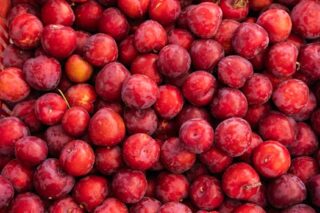
The concept of eating low glycemic foods has gained popularity among those looking to maintain steady energy levels and support their overall health. But what exactly are low glycemic foods, and why are they beneficial? This article will explore the benefits and characteristics of low glycemic foods and guide you through some of the best options to incorporate into your diet.
Understanding Low Glycemic Foods
Low glycemic foods are those that have a minimal impact on blood glucose levels. The glycemic index (GI) is a ranking system that measures how quickly foods raise blood sugar levels. Low glycemic foods have a lower GI value, which means they digest and absorb more slowly, leading to a gradual rise in blood sugar and insulin levels. This slow absorption is beneficial for energy balance and overall metabolic health.
Benefits of a Low Glycemic Diet
Incorporating low glycemic foods into your diet can offer numerous health benefits. These foods can help control blood sugar levels, reduce the risk of type 2 diabetes, and help manage weight. Additionally, low glycemic foods are often rich in nutrients and fiber, promoting digestive health and satiety, which helps in controlling appetite.
What Are the Best Low Glycemic Foods?
To truly benefit from a low glycemic diet, it’s crucial to know which foods fall into this category. Here is a list of some of the best low glycemic foods you should consider adding to your meals:
- Whole Grains: Options like barley, quinoa, and whole oats have lower GI values compared to refined grains.
- Legumes: Beans, lentils, and chickpeas are not only low on the glycemic index but also rich in protein and fiber.
- Fruits: Apples, pears, and berries are excellent fruit choices as they have lower sugar content and higher fiber levels.
- Non-starchy Vegetables: Leafy greens, broccoli, and carrots are low in carbohydrates and beneficial for overall health.
- Nuts and Seeds: Almonds, walnuts, and flaxseeds are low GI and provide healthy fats and protein.
How to Incorporate Low Glycemic Foods in Your Diet
Integrating low glycemic foods into your daily diet can be simple and delicious. Start by replacing high glycemic foods with lower GI alternatives. For instance, swap out white rice for quinoa or opt for whole grain bread instead of white bread. Consider adding legumes to your soups and salads or enjoy a handful of nuts as a nutritious snack.
For those looking to achieve specific health goals, such as weight loss, understanding the role of low glycemic foods can be particularly beneficial. Learn more about how these foods can support your journey by visiting our guide on unlocking weight loss success.
The Importance of Balancing Your Diet
While focusing on low glycemic foods is important, it’s equally critical to maintain a balanced diet. Balance involves ensuring you get a variety of nutrients from different food groups. Pairing low GI foods with healthy proteins and fats can enhance their benefits and provide a complete nutritional profile.
Conclusion
Adopting a diet rich in low glycemic foods can support optimal health by helping to regulate blood sugar levels, manage weight, and improve overall nutrition. By incorporating these foods into your meals, you can enjoy the health benefits they offer while maintaining a varied and satisfying diet. For additional information on glycemic index and health, you can visit Health on Wikipedia. Remember, for personalized dietary advice, consult with a healthcare professional.
- Low glycemic foods help regulate blood sugar and insulin levels.
- Incorporating these foods can assist with weight management.
- Whole grains, legumes, and certain vegetables and fruits are excellent low GI options.
- Balancing your diet with various nutrients is essential.
- Consult with healthcare professionals for personalized guidance.
Frequently Asked Questions
What does low glycemic mean?
Low glycemic refers to foods that have a minimal impact on blood sugar levels, releasing glucose slowly and steadily into the bloodstream.
Can low glycemic foods help with weight loss?
Yes, low glycemic foods can help with weight loss by promoting satiety, regulating blood sugar levels, and reducing cravings.
Are all fruits low glycemic?
No, not all fruits are low glycemic. Fruits like apples, berries, and pears have a lower GI compared to tropical fruits like pineapples and bananas.
How can I find low glycemic foods in the store?
Look for whole, minimally processed foods. Fresh vegetables, legumes, whole grains, and certain fruits are usually a good choice.
Is a low glycemic diet suitable for everyone?
A low glycemic diet can be beneficial for many people, but always consult a healthcare professional to ensure it aligns with your individual health needs.
Other Articles You May Find of Interest...
- Tirzepatide vs Semaglutide: A Guide to Modern Weight Loss Treatments
- Unlocking the Health Benefits of Tesamorelin for Enhanced Well-Being
- How Much Sodium is in a Tablespoon of Salt? Discover the Facts for Better Health
- The Impact of Protein Restriction on Health and Wellness
- How to Eat Healthier on Busy Weeknights Without Meal-Prepping Every Sunday
- Top Benefits of Joining a Training Gym Echo Park for Busy Professionals
- How Many Grams Are in One Milliliter? Discover the Conversion Secrets




