






More Weight Control, Nutrition & Exercise Articles
Discover the Amazing Benefits of Pilates for Your Health and Wellness
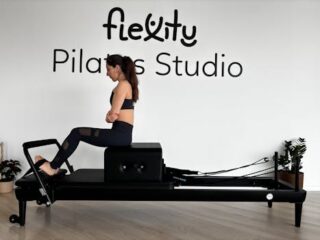
Pilates is more than just a popular fitness trend; it offers a plethora of benefits for both mental and physical wellness. If you’ve ever wondered what Pilates is good for, the answer is extensive. The benefits of Pilates range from improved flexibility and core strength to enhanced mental focus and stress relief. Whether you’re seeking to improve your posture or searching for an activity that complements your active lifestyle, Pilates might be the perfect fit for you.
The Benefits of Pilates
As a low-impact form of exercise, Pilates provides a holistic approach to body conditioning. Primarily focused on core strength and muscle stability, Pilates is suitable for people of all ages and fitness levels. Here are some of the key advantages you can expect from integrating Pilates into your routine.
Improved Core Strength
Pilates emphasizes core strength, which encompasses more than just your abdominal muscles. The core includes the muscles of your lower back, hips, and pelvis, all of which work together to support your spine and balance. Strengthening these muscles through Pilates can lead to improved posture and a reduced risk of back pain.
Enhanced Flexibility and Balance
Pilates promotes flexibility by systematically stretching and strengthening your muscles. Regular practice can make everyday movements easier while also increasing your range of motion. Enhanced balance, a natural byproduct of better core strength and flexibility, can help you maintain stability and prevent falls, especially as you age.
Better Posture
Poor posture is a common issue in today’s sedentary lifestyle, often leading to discomfort and pain. Pilates places a strong emphasis on alignment and awareness, training your body to move efficiently. Over time, this awareness can translate into correcting and maintaining better posture outside of your workouts.
Mental Health Benefits
Beyond its physical advantages, Pilates has mental health benefits. The practice encourages mindfulness and concentration, which can enhance your mental focus and clarity. Additionally, as a form of exercise, it releases endorphins, reducing stress and promoting a sense of well-being. According to experts, exercise like Pilates can improve mood and reduce symptoms of anxiety and depression.
Enhanced Athletic Performance
For athletes, Pilates can serve as a valuable cross-training tool. By targeting stabilizing muscles and improving flexibility, Pilates can augment athletic performance and help prevent injuries. Many professional athletes and trainers integrate it into their regimen to enhance strength and recovery.
Low-Impact Exercise
Unlike more strenuous activities, Pilates is a low-impact form of exercise, making it accessible for individuals with various physical conditions or limitations. It allows people to engage in effective workouts without placing excess strain on their joints.
To learn more about suitable exercises that can complement Pilates, explore our article on small steps to a more active lifestyle.
Getting Started with Pilates
Starting a Pilates routine can be as simple as enrolling in a local class or following guided sessions online. Beginners should focus on mastering the foundational principles before progressing to more advanced techniques. It’s always advisable to consult with a healthcare provider or a certified instructor to tailor a program that meets your individual needs and goals.
For additional authoritative resources on health benefits related to fitness practices like Pilates, you can refer to this comprehensive guide on health.
Conclusion
The benefits of Pilates are numerous and can significantly enhance your physical and mental health. Whether you are looking for an effective way to improve your core strength, flexibility, or mental focus, Pilates offers something for everyone. Take the first step to experience the comprehensive benefits this practice can provide to your overall wellness.
- Pilates strengthens your core and improves posture.
- It enhances flexibility and balance, aiding in fall prevention.
- The practice provides mental health benefits, such as stress relief.
- Low-impact nature makes it accessible to people of different ages and abilities.
- It is an effective cross-training tool for enhancing athletic performance.
FAQ
What is Pilates good for?
Pilates is excellent for improving core strength, enhancing flexibility, and reducing stress through mindfulness. It’s also beneficial for posture correction and balancing.
Can beginners practice Pilates?
Yes, Pilates is suitable for beginners. Starting with basic exercises and gradually moving to more advanced techniques is ideal. Consulting a certified instructor can provide guidance.
Is Pilates effective for weight loss?
While Pilates is not primarily a cardiovascular workout for significant calorie burn, it can support weight loss by building muscle and improving posture, which can result in increased physical activity.
What equipment do I need for Pilates?
Basic Pilates often requires a mat, while advanced forms may use equipment like reformers and stability balls. Beginners typically start with mat exercises.
How often should I practice Pilates?
Consistency is key. Practicing Pilates two to three times per week is often recommended to experience its full benefits.
Other Articles You May Find of Interest...
- How Can I Get More Magnesium in My Diet?
- Is a Personal Trainer Worth It After 50?
- The Evolution Of Metabolic Care: Navigating Telehealth Consultations, Safety, And Modern Weight Management
- How Bad Is Eating Out, and What Can Busy People Do About It?
- Do You Need a Personal Trainer or Just a Better Fitness Plan?
- How to Prepare for Your First Ballet Beginner Class as an Adult
- Is Baloney (Bologna) Good for You?





