






Your Health Magazine
4201 Northview Drive
Suite #102
Bowie, MD 20716
301-805-6805
More Complementary & Integrative Healthcare Articles
Can Cannabinoids Ease Migraines? What the Science Shows
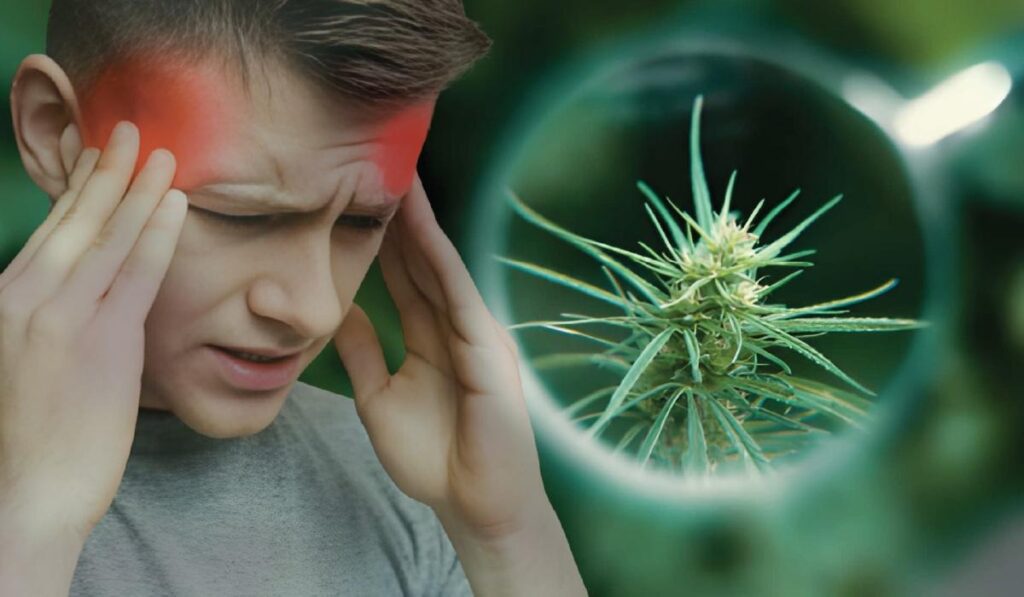
Understanding the role of cannabinoids in migraine management starts with separating scientific evidence from assumptions and observational claims. Migraines are complex neurological conditions. Treatment outcomes can vary widely from person to person.
Research continues to explore how cannabinoids interact with the body’s endocannabinoid system. This has increased interest among patients and clinicians. In states like Maryland, this curiosity often leads individuals to seek clarity on regulatory pathways, including how to apply for a medical marijuana card in Maryland, within the context of the state’s regulated cannabis framework.
Cannabis remains illegal at the federal level in the United States, and access, use, and medical authorization requirements vary by state law.
This article reviews what current studies suggest. It also explains the limits of existing evidence. Finally, it helps clarify what is known and what remains uncertain.
What are Cannabinoids
Cannabinoids are a group of substances found in the cannabis plant. The main cannabinoids are Tetrahydrocannabinol (THC) and cannabidiol (CBD).
Besides THC and CBD, more than 100 other cannabinoids have been identified.
CBD has been shown to interact with serotonin receptors, which may influence mood and anxiety, while THC affects dopamine pathways involved in reward and perception.
Cannabinoids may influence inflammation, oxidative stress, and apoptosis–processes relevant to neurological and psychiatric conditions.
Migraine and Its Management
A migraine is a severe headache that causes throbbing, pulsing pain on one side of your head.
The headache phase of a migraine usually lasts at least four hours, but it can also last for days. This headache gets worse with physical activity, loud noises, bright lights, and strong odors.
Migraines are disruptive. They can interfere with your daily routine and affect your ability to meet personal and social obligations. Treatment is available to help you manage migraines.
A healthcare provider might recommend taking medications to treat migraines. There are two types of medications available:
- Medications to stop migraines: These medications can be taken at the first sign of a migraine. They help stop or reduce migraine symptoms such as pain, nausea, sensitivity, and more.
- Medications to prevent migraines: These are typically prescribed if you have frequent migraines or symptoms that significantly interfere with daily life. These medications reduce how often and how severely migraines affect you. You can take these medications as directed, usually on a daily basis.
How Do Cannabinoids Help Ease Migraines
For many years, cannabis has been utilized as a medicine and for recreational and spiritual purposes. Phytocannabinoids are a family of compounds found in the cannabis plant, some of which produce psychoactive and euphoric effects. The main psychotropic constituent of cannabis is Δ9-tetrahydrocannabinol (Δ9-THC).
The pharmacological effects of cannabinoids are a result of interactions between those compounds and cannabinoid receptors, Cannabinoid Receptor Type 1 (CB1) and Cannabinoid Receptor Type 2 (CB2), located in many parts of the human body.
Several studies have suggested that the endocannabinoid system is centrally and peripherally involved in the processing of pain signals. Understanding patterns of cannabis use and associated symptom relief, compared with non-cannabis treatments, remains an important area of research in migraine patients.
A number of migraine patients are refractory to conventional treatments, and as such, individuals with more severe, treatment-resistant migraines may be more likely to turn to alternative or complementary treatment strategies such as cannabis use.
Scientific Evaluations on the Role of Cannabinoids
Two reviewers independently screened the studies, and the results were summarized using a narrative approach. In total, 12 studies involving 1,980 participants from Italy and the United States were included.
The findings showed that medical cannabis was linked to reduced nausea and vomiting during migraine attacks after six months of use.
Participants also experienced fewer migraine days within the first 30 days, along with a decrease in the overall number of migraine headaches per month. Compared with non-cannabis treatments, medical cannabis was reported to be associated with a greater reduction in migraine frequency.
Cannabis is not FDA-approved for the treatment of migraines, its use requires evaluation by a licensed physician under applicable state laws, and outcomes may vary as the evidence remains emerging.
Therefore, cannabinoids may have a potential beneficial effect on the onset and duration of migraine headaches in adults.
However, well-designed experimental studies that assess cannabinoids’ effectiveness and safety for treating migraines in adults are needed to support this hypothesis.
Conclusion
Current scientific evidence suggests that cannabinoids may play a role in migraine symptom management, particularly in reducing nausea, vomiting, and attack frequency in some adults. Observational studies and patient-reported outcomes indicate potential benefits, especially among individuals who do not respond well to conventional therapies.
While cannabinoids continue to attract interest in regulated medical settings, they should not be viewed as a universal or guaranteed solution for migraine relief. Further well-controlled clinical trials are necessary to clarify their therapeutic role, establish standardized treatment protocols, and better understand potential risks alongside benefits.
Other Articles You May Find of Interest...
- Discover the Benefits of Xiao Yao San for Enhanced Well-Being
- When Pain Keeps Coming Back, Your Body May Be Asking for Something More
- Exploring the Impacts of Marginal Cord Insertion on Pregnancy Outcomes
- Exploring the Hidden Benefits of Commensal Flora in Our Bodies
- 6 Signs Your Body Is Stuck in Survival Mode and How to Slowly Reset It
- How Vitamins and Antioxidants Help Support a Healthy Immune System
- The Therapeutic Garden: Why Growing Your Own Medicine is the Ultimate Wellness Hack



