






More Heart Disease, Stroke and Diabetes Articles
Heart Ablation Explained: A Guide to Understanding This Life-Changing Procedure
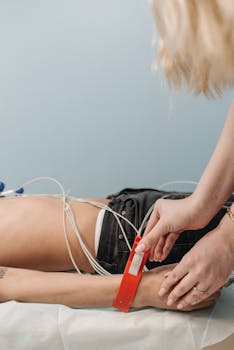
What is a heart ablation? This question is pivotal for individuals seeking to understand the medical procedure that may significantly improve quality of life for those with certain heart rhythm disorders. This article delves into the heart ablation process, its purpose, and potential benefits, offering a comprehensive guide for those considering this option.
What is Heart Ablation?
Heart ablation is a medical procedure used to correct heart rhythm problems, known as arrhythmias. It involves using catheters inserted through veins to deliver energy that modifies areas of heart tissue responsible for the irregular rhythms. The goal is to restore a normal heart rhythm and alleviate associated symptoms.
Why is Heart Ablation Performed?
Heart ablation is often recommended for patients who experience symptoms such as palpitations, dizziness, or shortness of breath due to arrhythmias. It may also be considered when medications are not effective or cause unwanted side effects. This procedure offers an opportunity for patients to return to a more active and symptom-free lifestyle.
Types of Heart Ablation
There are several types of heart ablation, each utilizing different techniques. The most common methods include radiofrequency ablation and cryoablation. Radiofrequency ablation uses heat, while cryoablation relies on extreme cold to achieve the desired effects. Both methods aim to disrupt the pathways causing abnormal heart rhythms.
Radiofrequency Ablation
Radiofrequency ablation uses heat energy to carefully eliminate or modify the tissue responsible for the arrhythmia. The procedure is minimally invasive and usually involves just a small incision in the groin to access the blood vessels that lead to the heart.
Cryoablation
Cryoablation, on the other hand, uses cold temperatures to freeze the problematic heart tissue. This method can sometimes be more suited for certain types of arrhythmias depending on their location within the heart. Both procedures are performed under image guidance to ensure accuracy.
Risks and Considerations
As with any medical procedure, heart ablation carries certain risks that should be discussed with a healthcare provider. Potential risks include bleeding, infection, damage to blood vessels, or damage to the heart tissue itself. However, these complications are relatively rare. Patients should always consult with their doctor to weigh the benefits against the risks in their specific situation.
Preparation and Recovery
Before a heart ablation, patients typically undergo a series of tests to ensure they are suitable candidates for the procedure and to plan the procedure itself. These tests might include electrocardiograms or imaging studies such as an MRI. After the procedure, most patients can expect a short recovery period and may resume normal activities within a few days.
Impact on Quality of Life
Many people report a significant improvement in quality of life following heart ablation. Symptom relief often leads to increased activity levels and a reduction in anxiety related to heart issues. It’s important to note, however, that success rates can vary depending on the type and severity of the arrhythmia.
For those seeking more information about related health procedures and challenges, understanding the stages of recovery from addiction can provide additional insights into healing and lifestyle changes.
Consulting Your Healthcare Provider
It is essential to have open and thorough discussions with a healthcare provider when considering heart ablation. They can provide personalized advice tailored to your specific health needs and help determine if heart ablation is the right option.
External resources can also provide valuable information. For a more in-depth understanding of heart ablation and its implications, visit the Health page on Wikipedia.
- Heart ablation is a procedure to treat arrhythmias.
- It involves modifying heart tissues to restore normal rhythm.
- Two main types are radiofrequency ablation and cryoablation.
- Consultation with a doctor is crucial to assess risks and benefits.
- Recovery is generally quick, with many experiencing symptom relief.
What happens during a heart ablation?
During a heart ablation, catheters are placed through veins into the heart. Energy is applied to alter small areas of tissue causing the arrhythmia, restoring normal heart rhythm.
How long does the procedure take?
The procedure typically takes about three to four hours but can vary depending on the complexity of the arrhythmia being treated.
Is heart ablation a permanent solution for arrhythmias?
Heart ablation can be a long-term solution for many patients, but success rates and efficacy can differ based on individual conditions and arrhythmia types.
Can I go home the same day after a heart ablation?
Some patients may leave the hospital the same day, while others might need an overnight stay for monitoring. Follow your healthcare provider’s recommendations.
What should I expect during recovery from heart ablation?
Post-procedure, a short recovery period is expected, with many patients resuming normal activities within a few days. Patients should follow any specific instructions provided by their healthcare team.
Other Articles You May Find of Interest...
- What is Insulin Resistance? Does it Mean Prediabetes?
- Is High LDL-P Dangerous? Particle Count vs. Cholesterol
- Heart Symptoms People Brush Off Until Testing Catches Something
- 5 Ways Cardiac Hypertrophy Affect Heart Function
- How E-Bike Commuting Can Support a Heart-Healthy Routine
- How Farxiga Helps a Failing Heart
- How the Heart Drains Its Own Blood





