






More Complementary & Integrative Healthcare Articles
Exploring Natural Turmeric Alternatives and Their Benefits
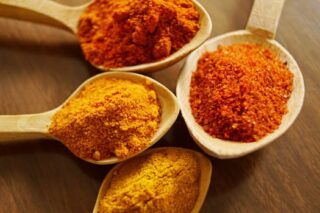
In recent years, the search for a potent turmeric alternative to the best turmeric supplement has gained momentum. As a staple in both culinary and herbal medicine, turmeric is renowned for its vibrant color and potential health benefits. Yet, for those who can’t access it, have sensitivities, or seek variety, alternatives are worth exploring. This article delves into various substitutes that can potentially replicate turmeric’s unique qualities.
Exploring Options for a Turmeric Alternative
Turmeric belongs to the ginger family, and its primary compound, curcumin, is believed to be responsible for many of its health-promoting properties. However, when turmeric isn’t an option, several alternatives might fill the gap, offering similar health benefits or culinary functions.
Ginger: A Close Relative
Ginger, like turmeric, is a root and shares many of its properties. Both roots are used widely for culinary and medicinal purposes. Ginger may be an effective turmeric powder substitute in recipes due to its robust flavor profile. Although it doesn’t have the bright yellow hue, ginger has anti-inflammatory and antioxidant effects, making it a suitable alternative.
Saffron: A Flavorful Substitute
Saffron is known for its distinctive flavor and rich color. Though more expensive, it can be used as a turmeric substitute in cooking. Saffron is high in antioxidants, which may support health in numerous ways. When using it as a turmeric replacement, a small amount suffices due to its potency.
Cumin: An Aromatic Option
Cumin offers an earthy taste similar to turmeric and is frequently used in spice blends and regional dishes. While it doesn’t provide the same health benefits, cumin is an excellent flavor addition and can stand in for turmeric in some culinary contexts.
Curry Powder: A Ready-Made Mix
Curry powder often contains turmeric as one of its ingredients along with other spices like coriander and fenugreek. Using curry powder can be a straightforward way to incorporate the tastes you miss when turmeric isn’t available. Its versatile blend means it can enhance a wide range of dishes without losing the essence turmeric provides.
Annatto Seeds: A Colorful Alternative
For those chiefly seeking the vibrant color turmeric imparts, annatto seeds could be useful. These seeds are frequently used to add a yellow or orange tint to foods and have antioxidant properties.
These substitutes indicate the various ways one can creatively replace turmeric in cooking and holistic practices.
Health Benefits and Nutritional Considerations
Turmeric’s potential health benefits mainly stem from curcumin, which is studied for its role in reducing inflammation. When choosing an alternative, look for options that also support health, even if differently.
For those interested in nutritional supplementation, understanding different delivery methods, such as IV therapy vs. oral supplements, can provide additional insight into how to benefit from turmeric substitutes effectively.
Conclusion: Choosing Your Turmeric Alternative
Exploring a turmeric alternative invites you to discover other spices and roots that can enrich your culinary and health endeavors. Whether you seek the flavor, the color, or the health benefits, there’s a substitute that can meet your needs while offering unique qualities of its own. Embrace experimentation and enjoy broadening your palette with these turmeric alternatives.
- Turmeric alternatives offer both culinary flexibility and health benefits.
- Ginger, saffron, and cumin are popular substitutes.
- Curry powder provides a blend of various spices, including turmeric.
- Annatto seeds mimic the color of turmeric without the taste.
FAQ
What is the best substitute for turmeric in cooking?
Ginger is often considered the best substitute due to its similar flavor profile, though it lacks the vibrant color of turmeric.
Can I use curry powder instead of turmeric?
Yes, curry powder, which contains turmeric among other spices, can be used as a substitute in many dishes.
Is there a substitute that offers the same health benefits as turmeric?
No single substitute provides the exact benefits of turmeric, but ginger and saffron both offer their own health-promoting properties.
Should I consider health supplements as an alternative to turmeric?
Supplements can be a viable option, but it’s crucial to consult with a healthcare professional to tailor choices to your specific health needs.
Where can I find more reliable information about turmeric and its alternatives?
For further information, credible resources such as Wikipedia provide comprehensive details about health topics including spices and their uses.
Other Articles You May Find of Interest...
- How to Support Your Immune System Naturally in Everyday Life
- Chinese Medicine and Western Medicine: Different Questions
- Cellular Healing Solutions
- Acupuncture and Cupping For Cancer Side Effects
- Can Hyperbaric Chamber Recovery Support Your Body and Mind?
- Hot-Cold Contrast Therapy at Home: A Beginner’s Guide
- Natural Tennis Elbow Remedies That Hold Up




