






More Women's Health & Beauty Articles
Recognizing Early Signs: What to Expect in the First 72 Hours of Pregnancy
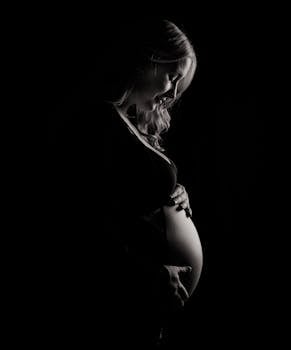
The journey of pregnancy begins the moment conception occurs, and some women may start to notice changes in their bodies as early as the first 72 hours. While these first 72 hours of pregnancy symptoms can be subtle and differ for each individual, understanding them can help you recognize the early signs of pregnancy. In this article, we’ll explore what symptoms to expect during this crucial early phase.
Understanding First 72 Hours of Pregnancy Symptoms
During the initial days following conception, your body undergoes numerous hormonal changes that can produce noticeable effects. Although many women do not experience symptoms in this early stage, others may start to feel the first signs of pregnancy. Here’s what you can expect:
- Implantation Bleeding: A light spotting that some women experience as the fertilized egg attaches itself to the uterine lining.
- Fatigue: Elevated levels of progesterone can cause feelings of tiredness.
- Breast Changes: Tender, swollen breasts are often an early sign due to hormonal shifts.
- Nausea: Although more common after a few weeks, some women may experience mild nausea.
- Frequent Urination: Hormonal changes can increase blood flow to the kidneys, resulting in an increased need to urinate.
It’s important to note that these symptoms can also be attributed to other factors, so a pregnancy test is the most reliable way to confirm a pregnancy.
What Causes These Early Symptoms?
The primary catalyst for early pregnancy symptoms is the surge in hormones such as estrogen and progesterone. These hormones play pivotal roles in preparing the body to support the growing embryo. Moreover, human chorionic gonadotropin (hCG), commonly known as the pregnancy hormone, begins to increase after conception, which can be detected through a pregnancy test.
The hormonal changes also prepare the uterus for significant changes, facilitating the proper development of the placenta and fetus. All these adjustments contribute to the symptoms experienced in the first 72 hours of pregnancy.
The Role of Lifestyle and Nutrition
Your lifestyle and nutrition can play a significant role in how your body responds during the early days of pregnancy. Eating a balanced diet rich in essential vitamins and minerals is essential for your well-being and may even alleviate some symptoms. Additionally, understanding the importance of taking prenatal vitamins early on can positively influence pregnancy outcomes.
For those experiencing brain fog or memory issues, it can be useful to learn what vitamins are beneficial for cognitive support. Prioritizing mental and physical health from the outset sets a solid foundation for the months ahead.
When to Consult a Healthcare Provider
If you suspect that you’re pregnant but are unsure, consulting with a healthcare provider can be beneficial. They can offer guidance and conduct tests to confirm a pregnancy. Additionally, if symptoms become severe, it’s essential to seek medical advice promptly.
Remember that each pregnancy is unique, and the absence of symptoms doesn’t necessarily indicate a problem. Conversely, experiencing several symptoms doesn’t always confirm pregnancy, as other health conditions can mimic these signs.
- Implantation bleeding is a possible early sign.
- Increased fatigue and breast changes may occur.
- Hormonal changes are the main cause of early symptoms.
- Nutrition plays a crucial role in early pregnancy health.
- Consult healthcare providers for confirmation and guidance.
FAQs
What are the first 72 hours of pregnancy symptoms I should be aware of?
You may notice mild symptoms like implantation bleeding, fatigue, breast tenderness, or frequent urination. These vary among women and can often mimic pre-menstrual symptoms.
Can I take a pregnancy test within the first 72 hours?
It’s generally too early for a home pregnancy test to detect pregnancy in the first 72 hours. It’s advisable to wait until after a missed period for more accurate results.
Why do some women not experience any early symptoms?
Each woman’s body responds differently to pregnancy hormones. Some may not exhibit symptoms until several weeks after conception.
How reliable are early pregnancy symptoms as an indicator of pregnancy?
While early symptoms can signal pregnancy, they are not reliable on their own. A pregnancy test or a visit to a healthcare provider is necessary for confirmation.
What should I do if my symptoms are severe or worrying?
If you experience severe symptoms or have concerns, it’s important to contact a healthcare provider to rule out other potential health issues.
Understanding the first 72 hours of pregnancy symptoms helps you recognize the early signs of this transformative journey. Always confirm any signs with a healthcare provider to ensure the best care for you and your developing baby.
Other Articles You May Find of Interest...
- Unlocking the Significance of the D Dimer Test and Its Blood Results
- Transforming Your Health: Fibroids Belly Before and After Insights
- Periods and Digestive Distress: Exploring Constipation During Your Cycle
- Navigating Lower Back Pain and Frequent Urination in Women: Causes and Solutions
- Effective Solutions for Vaginal Sores Treatment and Relief
- What Causes Vaginal Ulcers and How to Manage Them?
- D&C Surgery Explained: What to Expect from the Procedure




