






More Women's Health & Beauty Articles
Periods and Digestive Distress: Exploring Constipation During Your Cycle
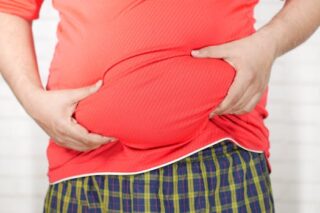
Many women experience physical and emotional fluctuations during their menstrual cycles. Among the lesser-discussed issues is constipation during period. While some may find it surprising, it’s not uncommon for women to report changes in digestion during their menstrual cycle. Hormonal shifts can influence various bodily functions, including the digestive system, potentially leading to constipation.
Understanding Constipation During Your Period
During a menstrual cycle, the body undergoes various hormonal changes, which can affect gastrointestinal function. Estrogen and progesterone are two key hormones that rise and fall throughout the cycle, influencing not only the reproductive system but also other bodily processes. When these hormones are out of balance, it can slow down digestion, leading to constipation while on your period.
How Hormones Affect Digestion
Progesterone, in particular, may play a significant role in digestive issues. During the luteal phase, which occurs after ovulation and before menstruation, progesterone levels increase. This surge can lead to a relaxation of the muscle tone in the intestines, slowing down bowel movements. The result can be constipation pre menstruation, often extending into the period itself.
Other Factors Contributing to Constipation
In addition to hormones, several other factors might influence constipation during the menstrual cycle:
- Dietary changes: Some women experience cravings that lead to consuming different types of food, which may affect digestion.
- Activity level: Physical activity can decrease during menstruation due to discomfort, which may contribute to slower digestion.
- Medications: Using pain relievers or other medications to manage menstrual symptoms can sometimes lead to constipation as a side effect.
Managing Constipation While on Your Period
Addressing constipation involves maintaining a healthy lifestyle and possibly making some dietary adjustments. Here are a few strategies that might help:
- Increase dietary fiber: Consuming more fruits, vegetables, whole grains, and legumes can support digestive health.
- Stay hydrated: Drinking plenty of fluids, especially water, can help to keep stools soft and easier to pass.
- Exercise regularly: Physical activity can stimulate intestinal activity and help prevent constipation.
- Monitor medication use: Be aware of any side effects from medications that might influence bowel habits and discuss alternatives with a healthcare provider if necessary.
Additionally, for more information on how lifestyle factors might contribute to discomfort, visit this article about weight loss and hidden causes.
When to Seek Medical Advice
If constipation becomes severe or is accompanied by other worrying symptoms like severe pain, blood in stools, or unintended weight loss, it’s essential to seek medical advice. Persistent digestive issues should be evaluated by a healthcare professional to rule out any underlying problems.
For a broader understanding of how menstrual cycles can influence overall health, consider exploring resources such as this page about health.
Constipation during period can be a common yet uncomfortable aspect of menstruation. By understanding the connection between hormones and digestion, women can better manage their symptoms and maintain comfort throughout their cycle.
- Your menstrual cycle can influence digestive processes, potentially causing constipation.
- Hormonal fluctuations, especially in progesterone, can slow down bowel movements.
- Diet and lifestyle adjustments can help manage constipation symptoms.
- Persistent or severe constipation should be evaluated by a healthcare provider.
- Understanding your body can help mitigate discomfort and improve overall well-being.
FAQ Section
What causes constipation during my period?
Hormonal changes, particularly increases in progesterone, can relax intestinal muscles, slowing digestion and causing constipation during your menstrual cycle.
How can I relieve constipation while on my period?
Increasing dietary fiber, staying hydrated, and maintaining regular physical activity can help relieve constipation. Monitoring medication use may also be beneficial.
Should I be worried about constipation pre menstruation?
While it’s common to experience some digestive changes before your period, if constipation is severe or persistent, it’s advisable to consult with a healthcare provider.
Can diet changes during menstruation affect constipation?
Yes, dietary changes, such as indulging in cravings or altering your usual intake, can contribute to digestive issues, including constipation.
When should I see a doctor about period-related constipation?
If you experience severe, persistent constipation or notice troubling symptoms like blood in your stool or significant weight loss, seek medical advice promptly.
Other Articles You May Find of Interest...
- The Science Of Firmer, More Radiant Skin
- How Acupuncture Supports Women’s Health
- Women and Gorgeous Smiles
- The Forgotten Pillar Of Total Wellness
- Menopause at Work: Why Women’s Health Is Becoming a Workplace Issue
- Heavy Menstrual Bleeding: Common Causes, Warning Signs and When to See a Gynecologist
- Low Albumin During Pregnancy: Common Causes and When It Matters





