






More Pain Management & Rehabilitation Articles
Healing Time for Pulled Muscles: What to Expect
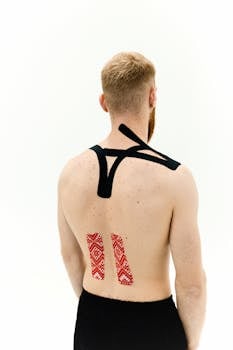
Straining or tearing your muscle fibers, commonly known as a pulled muscle, can be a painful experience. If you’re wondering “how long does a pulled muscle last,” the answer varies depending on the severity of the strain, the specific muscle affected, and how well you adhere to recovery measures. Generally, mild strains may resolve within a few weeks, while more severe cases could take several months to heal. Let’s explore what you can expect in terms of healing time and recovery process.
Understanding How Long Does Pull Muscle Last
A pulled muscle occurs when muscle fibers are overstretched or torn. This can happen during sports, physical activities, or even everyday tasks if you are not careful. The duration for recovery can range from a few days to months based on several factors.
Factors Influencing Healing Time
Different factors can affect the recovery time for a pulled muscle:
- Severity of the Injury: There are three grades of muscle strains. Grade I (mild) involves a few overstretched fibers; Grade II (moderate) involves more fibers and may have swelling or bruising; and Grade III (severe) involves a complete tear and can take the longest to heal.
- Location of the Injury: Some muscle groups heal faster than others. For instance, smaller muscles may recover more quickly than larger muscles like the quadriceps.
- Overall Health and Age: Younger individuals and those in good health generally recover faster. Age-related changes in muscles can slow down the healing process.
- Rehabilitation and Care: How well you follow a rehabilitation program, including rest, ice, compression, and elevation (RICE), as well as physical therapy if needed, can influence healing time.
Signs of Recovery
As your pulled muscle heals, you’ll notice decreased pain, reduced swelling, and improved function. It’s crucial to gradually return to activity to avoid re-injury. Consistently following care guidelines helps support the healing process.
Recovery Tips and Exercises
Proper care and rehabilitation are key to a full recovery:
- Initial Rest: Resting the injured muscle for a few days allows the healing process to begin. Avoid movements that cause pain or discomfort.
- Ice Therapy: Use ice packs during the first two days post-injury to reduce swelling and pain. Apply for 15-20 minutes every couple of hours.
- Compression and Elevation: Applying a compression bandage and keeping the injured area elevated can help minimize swelling.
- Gradual Reintroduction of Activities: As symptoms improve, slowly incorporate stretching and strengthening exercises to restore muscle function.
- Professional Rehabilitation: Consulting a physical therapist can be beneficial, especially in cases of severe muscle pulls.
Additionally, maintaining a balanced diet and staying hydrated can support muscle recovery. For more on maintaining a healthy lifestyle, visit our article on safe and effective weight loss.
When to See a Doctor
While many pulled muscles heal with self-care, it’s important to know when to seek medical attention. If you experience severe pain, significant swelling, an inability to move the affected muscle or a visible deformity, consulting a healthcare provider is advisable. In such instances, imaging tests or a personalized treatment plan may be required to ensure proper healing.
Prevention: Reducing the Risk of Muscle Strains
Preventing pulled muscles is often easier than treating them. Incorporating the following habits can help reduce your risk:
- Warm Up Properly: Engaging in warm-up exercises before physical activities can prepare your muscles for the demands placed upon them.
- Regular Stretching: Incorporating regular stretching into your fitness routine enhances flexibility and reduces strain risk.
- Strength Training: Strengthening muscle groups, especially those prone to injury, can bolster support and resilience.
- Use Appropriate Techniques: Whether in sports or daily activities, using proper form and techniques can minimize injury risk.
Long-term Outlook
How long does pull muscle last? While the timeline varies, patience and commitment to proper care usually yield a positive outcome. With appropriate treatment, even severe muscle strains can resolve over time, allowing you to resume normal activities.
For further reading on health-related topics, visit the credible source Wikipedia’s Health Page.
- Mild muscle strains typically heal within a few weeks.
- Severe muscle strains can take months to recover.
- Rehabilitation supports proper healing and prevents re-injury.
- Seek medical advice for persistent or severe symptoms.
- Prevention practices reduce the risk of future strains.
FAQ
What are the symptoms of a pulled muscle?
Common symptoms include pain, swelling, bruising, and limited movement in the affected area.
Can I exercise with a pulled muscle?
It’s best to rest in the early stages of the injury. As healing progresses, gradually introduce gentle stretching and strengthening exercises.
Are there any risks if I ignore a pulled muscle?
Ignoring a muscle strain can lead to a worsening of the injury or chronic pain. Proper care and gradual rehabilitation are vital.
Should I use heat or ice for a pulled muscle?
Ice is recommended initially to reduce swelling and pain. Heat can be applied after a few days to relax muscles and improve blood flow.
When should I see a healthcare provider for a muscle pull?
Consult a healthcare provider if you have severe pain, swelling, or if you cannot use the affected muscle.
Other Articles You May Find of Interest...
- Why Neck Stiffness and Neck Pain May Happen Together
- Understanding Myositis After Flu: Causes, Symptoms, and Recovery Time
- What Are the Causes of a Knot on Your Shin Bone?
- Hydrocodone Acetaminophen 5-325 Dosage Explained for Safe Use
- Hydrocodone Acetaminophen 10 325 Español: Información Esencial y Usos Comunes
- Preparing for Orthopaedic Surgery in Singapore
- Can Carpal Tunnel Syndrome Lead to Shoulder Pain?



