More Vision & Eye Care Articles
Can Astigmatism Naturally Resolve Over Time?
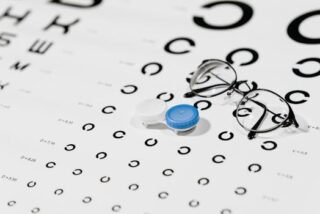
Astigmatism is a common vision condition that affects how the eye focuses light. When asking, “does astigmatism go away,” people are often curious about whether their vision can naturally correct itself over time without medical intervention. Understanding the nature of astigmatism can help in assessing how this condition might change. While some instances of astigmatism can vary over time, it typically doesn’t completely resolve without corrective measures.
Understanding Astigmatism
Astigmatism occurs when the cornea or lens of the eye is irregularly shaped. Instead of having a round shape, it is shaped more like a football, leading to blurred or distorted vision at various distances. This imperfection in curvature affects how light rays are refracted onto the retina, causing visual issues. It’s a refractive error alongside nearsightedness (myopia) and farsightedness (hyperopia).
While small amounts of astigmatism are common and not problematic, higher degrees of this condition can interfere significantly with vision. Treatment often includes corrective lenses or refractive surgery, but the question remains whether astigmatism can diminish on its own over time.
Does Astigmatism Go Away?
The idea that astigmatism can resolve by itself is largely a misconception. While some changes in eye health and vision can occur naturally, significant improvements or complete resolution of astigmatism through non-medical means are unlikely. However, there are some factors and treatments that might influence its progression.
Factors Affecting Astigmatism Severity
Several factors can impact the severity of astigmatism, such as age, other eye conditions, and overall eye health. Children may experience changes in astigmatism levels as their eyes develop, but these variations do not necessarily mean that the condition will go away.
Besides natural development, environmental factors and health conditions can also play a role. Eye strain from prolonged digital screen use and inadequate lighting might not directly cause astigmatism, but they can exacerbate symptoms or affect overall eye comfort.
Treatment and Management Options
For most individuals, corrective measures such as eyeglasses or contact lenses are the primary solutions for managing astigmatism. These correct the way light enters the eye, allowing for clearer vision. For those looking for a more permanent solution, refractive surgery, like LASIK, may significantly reduce or eliminate astigmatism.
However, given the diverse impacts and needs for different people, it’s beneficial to explore a holistic approach to overall eye health. This can enhance not only vision but general well-being.
Myths and Misconceptions
There are several myths surrounding astigmatism, such as the belief that it is caused by poor reading habits or watching television too closely. It’s important to understand that astigmatism is primarily due to the shape of the cornea and not influenced directly by these behaviors. Educating oneself on this condition can help dispel such myths and encourage proactive vision care.
Tips for Maintaining Eye Health
- Regular eye exams are crucial for detecting changes in vision and adjusting prescriptions as necessary.
- A balanced diet rich in vitamins such as A, C, and E supports overall eye health.
- Practice the 20-20-20 rule to reduce eye strain from digital screens: every 20 minutes, look at something 20 feet away for 20 seconds.
- Use protective eyewear during activities that could harm the eyes, such as certain sports or work with hazardous materials.
For further understanding of astigmatism and its potential treatments, you can visit the Wikipedia page on astigmatism.
Conclusion
While asking “does astigmatism go away” is a common query, the truth is that astigmatism does not typically resolve without intervention. Regular eye check-ups and adopting a healthy lifestyle can help manage astigmatism effectively. Whether through correction with lenses or potential surgical options, clarity in vision is achievable with the right strategies in place.
- Astigmatism is a common vision condition involving corneal or lens curvature.
- It does not usually correct itself naturally over time.
- Corrective lenses or surgery are common treatments.
- Healthy lifestyle choices positively impact overall eye health.
- Dispelling myths around astigmatism is important for proper management.
Frequently Asked Questions
Can astigmatism get worse over time?
Yes, astigmatism can worsen as you age or due to other factors like eye strain. It’s important to monitor changes through regular eye check-ups.
Is it possible for children to outgrow astigmatism?
While children’s eyes change as they grow, significant astigmatism usually requires correction rather than simply resolving on its own.
What are the symptoms of astigmatism?
Common symptoms include blurred vision, eye strain, headaches, and difficulty seeing at night or in low light conditions.
Are there lifestyle changes that can improve astigmatism?
While lifestyle changes won’t eliminate astigmatism, following a healthy diet, reducing screen time, and protecting eyes from strain can help maintain vision health.
What options are available for astigmatism correction?
Options include corrective eyewear like glasses or contacts, and surgical options such as LASIK for eligible candidates seeking a more lasting solution.
Other Articles You May Find of Interest...
- The First Signs of Pink Eye and What to Do Next
- How to Measure Your Pupillary Distance With a Ruler
- Beyond Cataract Surgery: A Midyear Review of Changing Eye Care
- Ortho-K for Children: What Parents Should Know About Myopia Management
- Eyelashes Growing Every Which Way: Causes and Fixes
- Andrew Ting Explains How AI-Powered Retina Scans Can Support Earlier Detection
- Battling With Eye Strain? 5 Signs You Should Get an Eye Exam Quickly