






More Weight Control, Nutrition & Exercise Articles
Discover the Best Foods with Creatine for Optimal Health and Performance
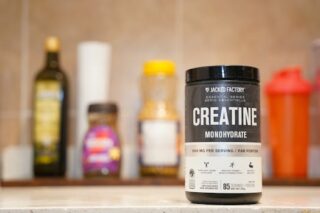
When it comes to optimizing health and performance, understanding the importance of various nutrients is key. One such nutrient that often comes into the limelight is creatine. Foods with creatine are becoming increasingly popular among athletes and fitness enthusiasts for their potential to boost performance and improve muscle mass. But how exactly do these foods work, and how can they be incorporated into a balanced diet?
Understanding Foods with Creatine
Creatine is a naturally occurring substance in the body that plays a crucial role in energy production, particularly during high-intensity exercises. While the body produces some creatine, it is primarily obtained through dietary sources. Incorporating foods with creatine into your diet can enhance your body’s creatine stores, potentially improving physical performance.
Common Foods High in Creatine
Certain foods are known for their higher creatine content. Let’s explore some of these options:
- Red Meat: Beef and other red meats like lamb are rich sources of creatine. Including moderate portions in your diet can help maintain creatine levels in the body.
- Fish: Salmon, tuna, and herring not only provide creatine but are also excellent sources of protein and omega-3 fatty acids, which contribute to overall health.
- Poultry: Chicken and turkey offer a lean meat option loaded with proteins and essential nutrients, including creatine.
Incorporating Creatine-Rich Foods Into Your Diet
Integrating creatine-rich foods into a balanced diet can be simple and enjoyable. Start by planning your meals to include a variety of protein sources. For example, a serving of grilled salmon for dinner paired with a colorful salad creates a nutritious and satisfying meal.
Additionally, for those focused on maintaining a high-protein diet, these foods offer dual benefits of supporting weight management and providing vital nutrients for muscle function.
How Creatine Supports Physical Performance
Creatine works by helping to replenish ATP (adenosine triphosphate), the primary energy carrier in muscle cells, allowing for quick bursts of energy during intense activity. This can lead to improved strength, endurance, and recovery times in athletic scenarios.
While creatine is often associated with athletes, it may also benefit those engaging in high-intensity workouts or activities requiring explosive muscle contractions.
Considering Vegetarian Options
For vegetarians, obtaining creatine exclusively from food can be challenging, as most sources are animal-based. However, vegetarian athletes or those looking to enhance their physical performance can consider creatine supplements, which may offer the same benefits when integrated into a balanced diet. It’s always recommended to consult with a healthcare provider before starting any supplementation.
Exploring the Benefits of Foods with Creatine
Integrating foods with creatine into your diet doesn’t just support performance enhancement. These foods may also play a role in supporting brain health, protecting against neurological disease, and improving muscular endurance.
Studies suggest that creatine supplementation may promote cognitive performance and memory retention in older adults. Additionally, creatine’s role in energy production may enhance overall vitality, aiding in daily physical demands.
Risks and Considerations
While creatine is generally safe for most people, excessive intake from supplements can lead to adverse effects such as digestive discomfort and dehydration. It is essential to adhere to recommended serving sizes and consult a healthcare professional before significantly increasing creatine intake.
For those interested in learning more about the extensive scientific research behind creatine, the Wikipedia entry on creatine provides a comprehensive overview of its uses and benefits.
Emphasizing a Balanced Diet
Ultimately, a diet featuring a range of nutrient-dense foods will not only promote optimal creatine levels but also supply necessary vitamins, minerals, and antioxidants for overall health. Remember to balance your intake of creatine-rich foods with an array of fruits, vegetables, whole grains, and healthy fats.
By maintaining a diverse diet rich in essential nutrients, individuals may support long-term health and well-being. Foods with creatine are just one component of a holistic approach to nutrition.
- A diet rich in creatine can support energy production during intense workouts.
- Red meat, fish, and poultry are excellent dietary sources of creatine.
- Considering creatine supplements may benefit vegetarian diets.
- A balanced diet ensures varied nutrients for overall well-being.
- Consult healthcare professionals before adjusting creatine intake significantly.
FAQ
What are the best foods with creatine?
Red meats like beef and fish such as salmon and tuna are among the best natural sources of creatine.
How does creatine support athletic performance?
Creatine helps replenish ATP in muscles, enhancing energy output for improved strength and endurance.
Can vegetarians get creatine from their diet?
Most dietary creatine comes from animal sources, so vegetarians may consider supplements for necessary intake.
Are there any side effects of consuming too much creatine?
Excessive creatine, especially from supplements, may cause gastrointestinal issues and dehydration. It’s vital to adhere to recommended dosages.
Is creatine supplementation recommended for everyone?
While generally safe, creatine supplementation should be considered on an individual basis and after consulting a healthcare provider, especially for those with underlying health conditions.
Other Articles You May Find of Interest...
- What a Weight Loss Clinic in Melbourne Can Do Before and After Your Surgery
- Cold Plunge or Sauna? What the Recovery Research Actually Shows
- How Personalized Weight Loss Programs Help Achieve Sustainable, Long-Term Results
- High-Fructose Foods to Limit and Lower-Sugar Alternatives
- Best High-Fiber Foods Chart for Better Digestive Health
- How Many Carbs Are in Turkey Bacon?
- 9 Healthiest Mushrooms to Eat





