






More Complementary & Integrative Healthcare Articles
The Healing Secrets of Myrrh: Discover Its Benefits and Uses
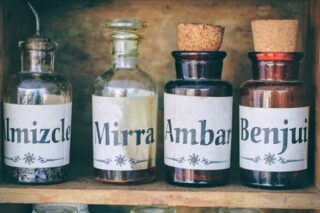
For centuries, myrrh has been treasured as one of nature’s potent gifts. But what is myrrh exactly, and why has it held such a significant place in various traditions and cultures? Myrrh is a natural resin extracted from the Commiphora tree, commonly found in Africa and the Middle East. Known for its aromatic qualities, myrrh is often used in perfumes, incense, and traditional medicine. This article explores its uses, benefits, and how it continues to captivate people around the world.
What is Myrrh?
Myrrh is a resinous substance harvested from the bark of trees from the genus Commiphora. Typically, the bark is cut or wounded to produce a sap that hardens into a reddish-brown resin. This natural product has a rich history of use in religious ceremonies, traditional medicine, and even as a trade commodity.
The word “myrrh” is derived from the Arabic word “murr,” meaning bitter, a nod to its unique flavor and aroma. Myrrh has been mentioned in numerous historical texts, including the Bible and various ancient Egyptian writings, highlighting its long-standing importance in human history.
Health Benefits of Myrrh
Myrrh has captivated interest for its potential health benefits. While it’s important to note that scientific research is still developing, myrrh is believed to possess several therapeutic properties:
- Antimicrobial properties: Myrrh is often used in oral hygiene products because of its potential to combat germs. Studies suggest that its antimicrobial action may help support a healthy mouth and gums.
- Anti-inflammatory effects: There’s some evidence to suggest that myrrh contains compounds that may help reduce inflammation. This property makes it an intriguing candidate for research into pain management.
- Antioxidant potential: Like many natural resins, myrrh is rich in antioxidants, compounds that help protect the body from oxidative stress.
While promising, it’s crucial to consult healthcare professionals before using myrrh for medicinal purposes. Myrrh’s potency can vary, and excessive doses may have adverse effects.
Uses of Myrrh in Modern Times
Even though myrrh’s use has evolved over the years, its appeal remains undiminished. Today, myrrh is valued not only in traditional practices but also in modern applications:
- Skincare: Myrrh is often used in skincare products for its purported ability to enhance the complexion and provide soothing benefits.
- Aromatherapy: Myrrh joins other essential oils in aromatherapy, praised for its calming scent that may help ease stress and promote relaxation.
- Cultural Practices: Myrrh continues to wield cultural significance in religious ceremonies around the globe, particularly in incense burning.
Additionally, myrrh is being included in dietary supplement formulations, although evidence for its efficacy as a supplement is still under review.
Exploring Myrrh’s Role in Holistic Medicine
The interest in myrrh is mirrored by a broader interest in holistic and traditional medicine, which often emphasizes natural remedies. To understand how myrrh fits within this context, consider exploring holistic medicine vs. traditional medicine. This perspective can provide insights into how myrrh complements diverse healthcare practices.
Safety and Considerations
While myrrh offers various potential benefits, it is not without consideration. Allergies or skin reactions can occur in sensitive individuals, and its consumption is generally not recommended for pregnant or breastfeeding women unless advised by a healthcare provider.
It is also critical to be aware of the dosage and potential interactions with medications. Myrrh may interfere with specific treatments; therefore, a consultation with a healthcare professional is advisable, especially if you plan to incorporate myrrh into your regimen. For a more detailed look at myrrh’s interaction with other treatments, you may wish to visit myrrh on Wikipedia.
Conclusion: What is Myrrh’s Place in Our Lives Today?
What is myrrh’s true place in our lives today? While myrrh has ancient roots, it continues to intrigue us with its multifaceted uses and potential health benefits. Whether utilized in cultural rituals, beauty products, or as a subject of scientific inquiry, myrrh endures as a valuable natural resource worth exploring.
- Myrrh is a resin from the Commiphora tree with historical and modern significance.
- It may offer antimicrobial, anti-inflammatory, and antioxidant benefits.
- The use of myrrh in skincare and aromatherapy remains popular.
- Always consult a healthcare provider before using myrrh medicinally.
- Myrrh is integral to both traditional and contemporary practices.
FAQ
What are some traditional uses of myrrh?
Historically, myrrh has been used in religious ceremonies, embalming practices, and as part of herbal medicine traditions due to its aromatic and preservative properties.
Is myrrh safe for everyone to use?
While generally considered safe in small amounts, myrrh should be used cautiously. It can cause allergic reactions, and it’s advisable for pregnant or breastfeeding women to avoid it.
How is myrrh used in modern cosmetics?
Myrrh is often found in skincare products, praised for its soothing and potentially complexion-enhancing qualities.
Can myrrh help with oral health?
Yes, myrrh has been traditionally used in oral hygiene, thanks to its potential antimicrobial properties, which may help maintain healthy gums and teeth.
Does myrrh interact with medications?
Myrrh can interact with certain medications, potentially altering their effects. It is always best to consult with a healthcare provider before using myrrh, especially if you’re on medication.
Other Articles You May Find of Interest...
- How to Support Your Immune System Naturally in Everyday Life
- Chinese Medicine and Western Medicine: Different Questions
- Cellular Healing Solutions
- Acupuncture and Cupping For Cancer Side Effects
- Hot-Cold Contrast Therapy at Home: A Beginner’s Guide
- Natural Tennis Elbow Remedies That Hold Up
- How to Support Your Immune System Naturally in Everyday Life





