






More Weight Control, Nutrition & Exercise Articles
Are Cranberries Seedless or Do They Contain Seeds?
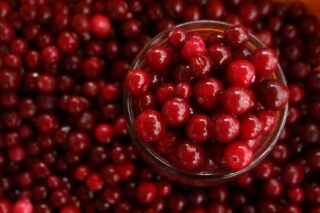
When it comes to cranberries, many people wonder, “do cranberries have seeds?” This question often arises for those who enjoy baking with berries or incorporating them into their meals. The simple answer is that cranberries indeed contain seeds, but these are very small and can hardly be noticed when consuming the fruit. In this article, we’ll explore more about cranberries, their nutritional benefits, how they are used, and whether the seeds impact their culinary versatility.
Do Cranberries Have Seeds?
Cranberries are small, tart, red berries that grow on evergreen shrubs. These berries do contain seeds, but the seeds are tiny and often go unnoticed when the berries are consumed whole or processed into products like juice or sauce. While some berries, such as strawberries, have seeds on the outside, cranberry seeds are contained within the berry itself.
Nutritional Benefits of Cranberries
Cranberries are not just known for their tangy taste but also for their health benefits. They are rich in vitamin C, fiber, and antioxidants, which may help support a healthy immune system and reduce inflammation. Their low-calorie content makes them an attractive choice for those watching their weight.
Additionally, cranberries contain certain compounds that are being studied for their potential role in reducing the risk of urinary tract infections (UTIs). However, more research is needed to fully understand these potential benefits.
Uses of Cranberries in Cooking
Cranberries are incredibly versatile in culinary applications. They can be used in a variety of dishes, from sweet to savory, and their seeds typically do not require removal in cooking or baking processes. Here are some common ways to use cranberries:
- Cranberry Sauce: A staple in holiday meals, cranberry sauce is made by simmering cranberries, sugar, and water until the berries burst, thickening the mixture.
- Dried Cranberries: These can be added to salads, oatmeal, or baked goods for a sweet-tart flavor.
- Cranberry Juice: This popular beverage can be consumed on its own or mixed with other juices for a refreshing drink.
- Baked Goods: Fresh or dried cranberries add a delightful tartness to muffins, bread, and cookies.
Do Cranberry Seeds Affect Their Use in Recipes?
The tiny seeds in cranberries generally do not impact their use in recipes. They are so small that they are not noticeable in most preparations, especially when the fruit is cooked or blended. In fact, cranberry seeds may contribute to the berry’s nutritional profile, as they contain additional fiber and healthy fats.
Additional Health Considerations
While cranberries are celebrated for their potential health benefits, it’s essential to consider the whole dietary context. Consuming cranberries as part of a balanced diet is a smart choice for many, but individuals should be aware of added sugars in some cranberry products, such as juices and dried cranberries.
For those interested in weight management and exploring nutritious food options, check out our article on safe and effective weight loss approaches.
Conclusion: Do Cranberries Have Seeds?
In conclusion, the question “do cranberries have seeds?” can be answered affirmatively. Cranberries do have small seeds, but they are not typically a concern when eating the fruit. These tart berries offer multiple culinary possibilities and potential health benefits. As with any food, incorporating cranberries should be part of an overall balanced diet.
- Cranberries do contain small seeds.
- The seeds are typically not noticeable in culinary uses.
- Cranberries offer potential health benefits and are nutritionally rich.
- They are versatile in recipes, from sauces to baked goods.
- Be mindful of added sugars in processed cranberry products.
Can you eat cranberry seeds?
Yes, cranberry seeds can be eaten and are generally safe. They are small and often go unnoticed when consuming cranberries in various forms.
Are cranberry seeds nutritious?
Cranberry seeds contain fiber and beneficial fats, contributing to the nutritional value of the berry. They are a natural part of the whole fruit’s benefits.
Do cranberries aide in preventing UTIs?
Cranberries contain compounds that may help reduce the risk of urinary tract infections. However, more research is needed, and cranberries should not replace medical treatment.
Are all cranberry products healthy?
While fresh cranberries are nutritious, processed products like juices and dried cranberries may contain added sugars. It’s important to check labels for healthier options.
Where can I learn more about the health benefits of cranberries?
For more information on cranberries and health benefits, you can visit Wikipedia’s health page.
Other Articles You May Find of Interest...
- What a Weight Loss Clinic in Melbourne Can Do Before and After Your Surgery
- Cold Plunge or Sauna? What the Recovery Research Actually Shows
- How Personalized Weight Loss Programs Help Achieve Sustainable, Long-Term Results
- High-Fructose Foods to Limit and Lower-Sugar Alternatives
- Best High-Fiber Foods Chart for Better Digestive Health
- How Many Carbs Are in Turkey Bacon?
- 9 Healthiest Mushrooms to Eat





