






Your Health Magazine
4201 Northview Drive
Suite #102
Bowie, MD 20716
301-805-6805
More Public Safety Articles
Is Mica Harmful to Your Health? The Truth You Need to Know
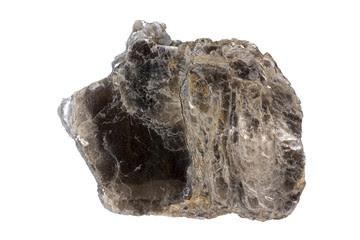
Mica is a group of naturally occurring silicate minerals. Renowned for its exceptional thermal insulation, chemical stability, and signature “shimmer,” it has become an indispensable ingredient in industries ranging from high-tech electronics to luxury cosmetics. However, as consumers become more conscious of ingredient safety, a critical question has surfaced: Is mica harmful to your health?
The Physical and Chemical Profile of Mica
Chemically, mica is considered inert, meaning it does not react with other substances or leach toxins into the body. In its solid, sheet form—often used in industrial parts—it poses virtually zero risk to human health. The health concerns primarily arise when mica is processed into a fine powder.
Potential Health Risks
While mica is not inherently toxic, its physical form as a particulate matter presents specific risks, particularly in occupational settings:
Respiratory Concerns: The primary health hazard is the inhalation of fine mica dust. Long-term exposure to high concentrations of airborne mica particles can lead to lung scarring and inflammation. In severe cases of occupational exposure, this can manifest as Mica Pneumoconiosis, a chronic respiratory condition similar to silicosis.
Physical Irritation: Because mica particles are crystalline, they can act as a mild abrasive. For individuals with hypersensitive skin, topical application of large-particle mica may cause minor physical irritation or itching.
Trace Contaminants: Natural mica is mined from the earth. Depending on the source, it can sometimes be contaminated with heavy metals like lead, arsenic, or mercury. This is why purification processes are vital for consumer-grade products.
Is Mica in Makeup and Skincare Safe?
For the vast majority of consumers, mica in cosmetics is classified as safe for topical use. Regulatory agencies such as the FDA and the European Commission have approved mica for use in eye, lip, and face products.
To further enhance safety and purity, many cosmetic companies have transitioned to Synthetic Fluorphlogopite (Synthetic Mica). Synthetic mica is created in a lab, ensuring it is free from heavy metal contaminants and has smoother edges, which reduces the potential for skin irritation.
Safety Measures and Best Practices
Industrial Safety: Workers handling raw mica must utilize high-efficiency particulate air (HEPA) filtration and wear certified respiratory protection (such as N95 or P100 masks) to prevent dust inhalation.
Product Selection: Consumers should purchase from reputable brands that provide transparency regarding their sourcing and heavy metal testing.
Ethical Sourcing: Beyond health, ensure your mica is “Child-Labor Free.” Look for brands that are members of the Responsible Mica Initiative (RMI).
Conclusion
In conclusion, mica is not toxic to the general consumer. The health risks are almost exclusively linked to the inhalation of industrial dust rather than topical application or casual contact. By choosing high-quality, ethically sourced, or synthetic mica products, you can enjoy the benefits of this versatile mineral without compromising your well-being.
Would you like me to provide a list of high-ranking SEO keywords or a optimized Meta Description for this article?
Other Articles You May Find of Interest...
- How medicines are kept safe: Behind-the-scenes checks before they reach patients
- Is Mica Harmful to Your Health? The Truth You Need to Know
- Preventing Contaminants From Affecting Worker Health
- When the Workplace Becomes Dangerous: Signs of Unsafe Conditions
- Do Wasps Die After They Sting? Uncovering the Truth Behind Their Stinging Defense
- Health and Safety Best Practices for Workplaces
- The Future is Here: 5 Benefits of VR Fire Extinguisher Training



