More Hair Care Articles
Can Dandruff Lead to Hair Loss and Other Scalp Issues?
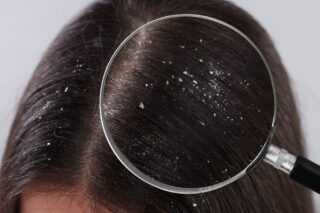
Dandruff is a common scalp condition that many people experience at some point in their lives. It leads to flaky skin and can be quite inconvenient and embarrassing. A question often arises: can dandruff cause hair loss? Understanding the relationship between flaky scalp and hair health is crucial for managing both issues effectively.
Can Dandruff Cause Hair Loss?
While dandruff itself does not directly cause hair loss, it can contribute to it indirectly in certain circumstances. The primary focus is on the inflammation and itching that dandruff can cause, leading to excessive scratching. This scratching can damage the hair follicles, potentially causing some hair loss. However, this type of hair loss is generally temporary and resolves once the dandruff is under control.
Furthermore, people with dandruff might also experience a dry scalp, which can exacerbate hair shedding. In some cases, a dry scalp can give the appearance of hair loss because of brittle hair and breakage. Therefore, addressing the underlying causes of a dry scalp can help maintain healthier hair.
Understanding Dandruff and Its Effects on the Scalp
Dandruff is primarily caused by an overgrowth of a yeast-like fungus known as Malassezia. This fungus is generally harmless, but for reasons not entirely understood, it can cause the skin on the scalp to shed excessively in some individuals. Factors such as stress, hormonal changes, and a weakened immune system can contribute to dandruff severity.
Some people worry whether dandruff can cause alopecia, a condition characterized by extensive hair loss. While dandruff itself isn’t a direct cause of alopecia, the inflammation it causes might exacerbate existing scalp conditions or hair loss patterns in susceptible individuals. Therefore, keeping dandruff under control is beneficial for those concerned about hair thinning due to other underlying conditions.
Can Dry Scalp Cause Hair Loss?
Dry scalp is often confused with dandruff, but they’re actually distinct conditions. Understanding the difference between dandruff vs lice is also important, as lice involve a parasitic infestation rather than a scalp condition and require a completely different treatment approach. While a dry scalp is the result of lack of moisture, leading to small, dry flakes, dandruff typically comes with oilier, larger flakes. Nevertheless, a dry scalp can lead to hair breakage due to the weakening of hair structure caused by lack of moisture.
Implementing remedies such as moisturizing shampoos and conditioners can help soothe a dry scalp. Ensuring proper hydration and incorporating a balanced diet rich in essential fatty acids may support scalp health. It’s always advisable to consult a healthcare provider for personalized advice if dry scalp is a persistent issue. For additional strategies to tackle integrative health challenges, consider reading about how functional medicine approaches address root causes.
Managing Dandruff to Support Hair Health
Effective dandruff management often involves changes in both skincare and lifestyle behaviors. Anti-dandruff shampoos containing ingredients like zinc pyrithione, selenium sulfide, or ketoconazole can be instrumental in reducing flake formation. These products help combat the Malassezia fungus, providing relief from symptoms.
Regular use of these shampoos, coupled with scalp massages to improve blood circulation, can support healthier hair growth. It’s worth noting that while these measures aid in controlling dandruff, they should be continued consistently for lasting results. For comprehensive information on healthy hair and scalp care, refer to [this informative resource on scalp health](https://en.wikipedia.org/wiki/Health).
When to Seek Professional Advice
Professional consultation is advisable if dandruff persists despite regular use of over-the-counter treatments, or if hair loss seems excessive. Dermatologists can provide tailored advice and may recommend stronger, prescription-strength shampoos or topical solutions for more severe cases.
Additionally, if there’s concern about potential hair loss beyond what might be expected with dandruff alone—such as in cases where one suspects alopecia—professional evaluation is important. They will be able to distinguish between various scalp conditions and suggest the most appropriate treatment regimen.
Addressing the question of can dandruff cause hair loss involves understanding the interplay between scalp health and hair maintenance. With effective management and professional guidance, individuals can successfully treat dandruff and maintain healthy hair.
- Dandruff itself doesn’t directly cause hair loss, but irritation can lead to temporary shedding.
- A dry scalp may lead to hair breakage; maintaining hydration is key.
- Anti-dandruff shampoos can help manage symptoms and support hair health.
- Consult a professional if dandruff or hair loss persists.
- Understanding scalp care can improve both dandruff and hair condition.
FAQs
What are the main causes of dandruff?
Dandruff is primarily caused by an overgrowth of the Malassezia fungus, which can lead to skin shedding. Other factors include hormonal changes, stress, and individuals’ immune responses.
How often should I use anti-dandruff shampoo?
Most anti-dandruff shampoos can be used several times a week unless advised otherwise by a healthcare provider. Regular use can help control pesky flakes effectively.
Are there any dietary measures to help reduce dandruff?
While no specific diet cures dandruff, maintaining a balanced diet rich in omega-3 fatty acids and zinc can support overall scalp health and potentially reduce dandruff severity.
How can I tell if I have a dry scalp or dandruff?
A dry scalp generally produces small, dry flakes, while dandruff results in larger, oilier flakes. Observing these characteristics can help differentiate between the two conditions.
Can children suffer from dandruff?
Yes, children can experience dandruff just as adults do. However, treatment recommendations might differ, so it’s best to consult a healthcare provider for appropriate solutions.
Other Articles You May Find of Interest...
- How Many Inches Does Hair Grow in a Year?
- Hair Transplants Explained: What to Know Before Considering Surgery
- What Scalp Micropigmentation Can and Cannot Do for Visible Scalp and Hair Loss
- How Long Does Rosemary Oil Take to Grow Hair?
- How Alopecia Areata, Totalis, and Universalis Differ in Progression and Unpredictability
- Is a Hair Transplant Worth the Cost? What to Consider First
- Why Leg Hair Can Grow Curly, Kinked, or Suddenly Different