






More Pain Management & Rehabilitation Articles
Can an Inversion Table Help Relieve Sciatica Pain?
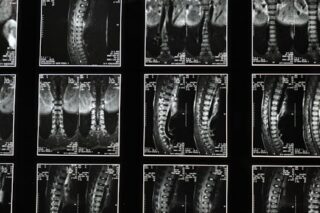
Many people suffering from sciatica are seeking relief through various methods, and one option gaining attention is using an inversion table for sciatica. Sciatica is a condition characterized by pain radiating along the sciatic nerve, which extends from the lower back down through the legs. This discomfort can be debilitating, leading to the pursuit of new and innovative treatment options, such as inversion therapy. In this article, we will explore whether an inversion table can indeed help alleviate sciatica pain.
Understanding Inversion Tables for Sciatica Relief
Inversion tables are devices that allow a person to hang upside down or at an inverted angle. The primary purpose of using an inversion table is to reduce back pain by relieving pressure on the spinal discs and improving circulation. While there is ongoing debate, some believe that inversion tables can help with sciatica by decompressing the spine and enhancing flexibility.
When the body is inverted, gravity helps increase the space between vertebrae, which may reduce compression on the nerve roots. This concept is based on spinal traction mechanisms used by some physical therapists to manage back pain. Although inversion therapy is popular, it is essential to approach it with caution, especially for individuals with specific medical conditions.
Benefits of Using an Inversion Table for Sciatica
Advocates of inversion tables point to several potential benefits, including:
- Improved spinal alignment and posture.
- Temporary pain relief from nerve compression.
- Better blood circulation, which may promote healing.
- Enhanced flexibility and range of motion.
Despite these reported benefits, scientific evidence remains mixed. It is crucial to consider individual circumstances and consult with a healthcare professional before starting any new treatment.
Risks and Precautions
While inversion tables can offer relief, they may not be suitable for everyone. Certain conditions, such as high blood pressure, glaucoma, heart disease, and osteoporosis, can make inversion therapy risky. Individuals with these conditions should seek medical advice before attempting to use an inversion table.
Additionally, it is essential to start slowly, with limited inversion time and a gradual increase in angle. This approach can help the body adjust to the new position and minimize adverse effects.
Can an Inversion Table Replace Other Treatments?
While some people may experience relief from using an inversion table, it should not replace other established treatments for sciatica. A comprehensive approach that includes physical therapy, pain management, and lifestyle modifications is often necessary to address the root cause of sciatica.
Inversion therapy can be a complementary treatment, offering temporary relief and an additional option for managing pain. It’s essential to maintain open communication with a healthcare provider to determine the most appropriate treatment plan for your situation. For more insights into combining holistic and traditional treatments, consider reading this article on holistic versus traditional medicine.
Final Thoughts on Using an Inversion Table for Sciatica
Exploring the use of an inversion table for sciatica can be an intriguing option for those seeking relief from pain and discomfort. While there are potential benefits, it’s crucial to weigh these against the risks and consult a healthcare provider. Remember that inversion therapy is not a substitute for a comprehensive treatment plan but rather an additional tool to explore.
- Inversion tables may provide temporary relief from sciatica symptoms.
- It’s important to consider potential risks and consult a doctor beforehand.
- Inversion therapy can complement, but not replace, other treatments.
- Scientific evidence on effectiveness is still mixed.
- Use inversion tables with caution and under professional guidance.
FAQ
What does sciatica feel like?
Sciatica typically presents as pain, tingling, or numbness radiating from the lower back down to one or both legs, following the path of the sciatic nerve.
Are inversion tables safe?
Inversion tables are generally safe for healthy individuals when used correctly. However, those with certain medical conditions should consult a healthcare provider before use.
How long should you use an inversion table?
Start with short sessions of 1-2 minutes and gradually increase the duration based on comfort and tolerance, aiming for up to 10-15 minutes per session.
Can inversion therapy cure sciatica?
Inversion therapy is not a cure for sciatica. It may provide temporary relief as part of a broader treatment plan but should not be considered a standalone solution.
Where can I find credible information on inversion therapy?
For more information, consider researching credible sources such as Health on Wikipedia, where you can find comprehensive articles on the topic.
Other Articles You May Find of Interest...
- Understanding Myositis After Flu: Causes, Symptoms, and Recovery Time
- What Are the Causes of a Knot on Your Shin Bone?
- Hydrocodone Acetaminophen 5-325 Dosage Explained for Safe Use
- Hydrocodone Acetaminophen 10 325 Español: Información Esencial y Usos Comunes
- Preparing for Orthopaedic Surgery in Singapore
- Can Carpal Tunnel Syndrome Lead to Shoulder Pain?
- Important Health Considerations During Injury Recovery



